
Chin J Plant Ecol ›› 2026, Vol. 50 ›› Issue (4): 814-832.DOI: 10.17521/cjpe.2025.0184 cstr: 32100.14.cjpe.2025.0184
• Reviews • Previous Articles Next Articles
KE Jia-Wen1,*, CHENG Zhang-Hao1,2,*, GAO Xue-Yi1, XU Yun-Jian1,**( ), WANG Yi1,**()
Received:2025-05-27
Accepted:2025-07-21
Online:2026-04-20
Published:2026-02-13
Contact:
XU Yun-Jian, WANG Yi
About author:*Contributed equally to this work
Supported by:KE Jia-Wen, CHENG Zhang-Hao, GAO Xue-Yi, XU Yun-Jian, WANG Yi. Plant responses to cadmium contamination: mechanisms of uptake, transport, defense and detoxification[J]. Chin J Plant Ecol, 2026, 50(4): 814-832.
Add to citation manager EndNote|Ris|BibTeX
URL: https://www.plant-ecology.com/EN/10.17521/cjpe.2025.0184
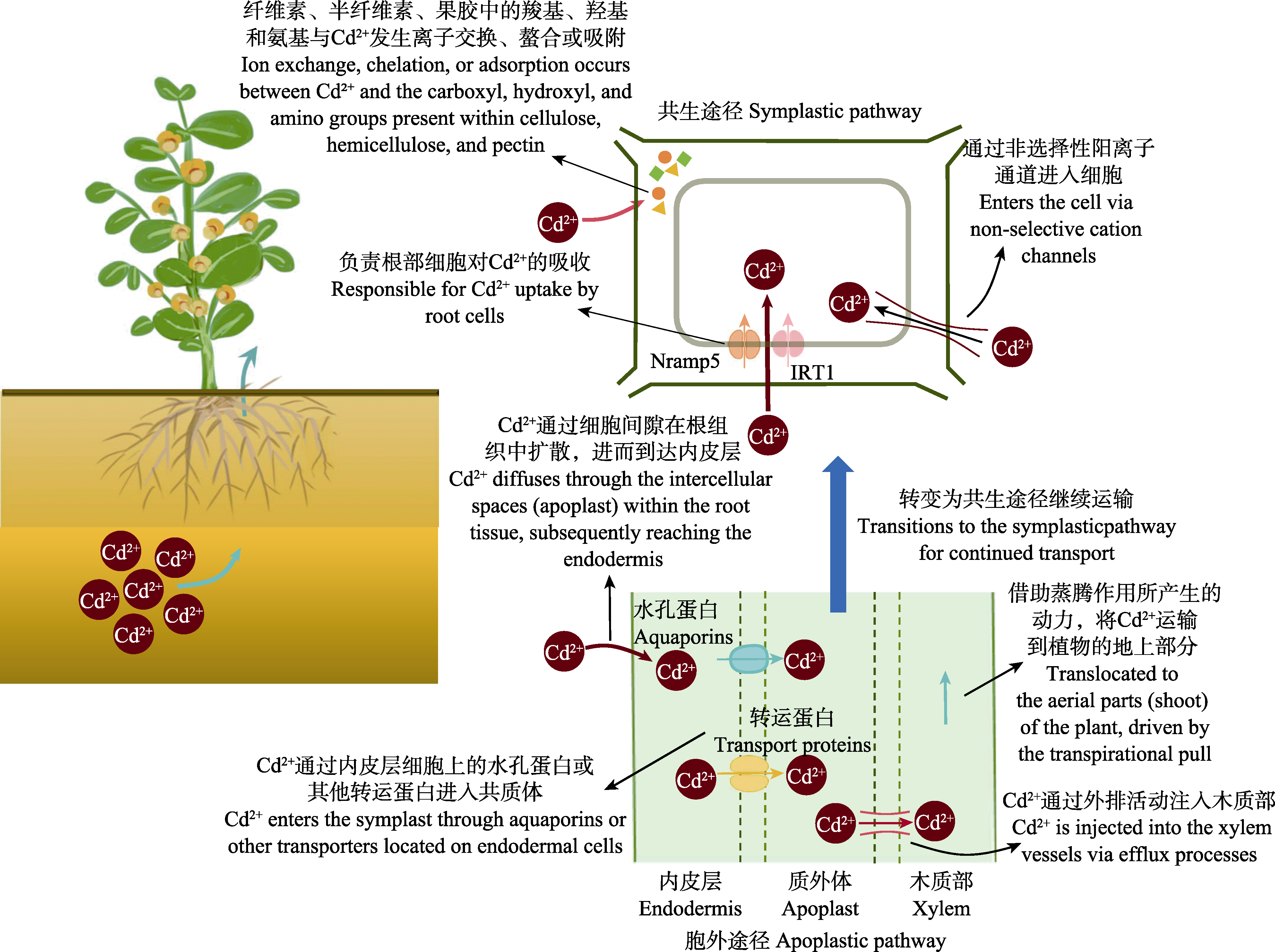
Fig. 1 Mechanisms of cadmium (Cd) uptake by plant roots. IRT1, iron-regulated transporter 1; Nramp5, natural resistance-associated macrophage protein 5.
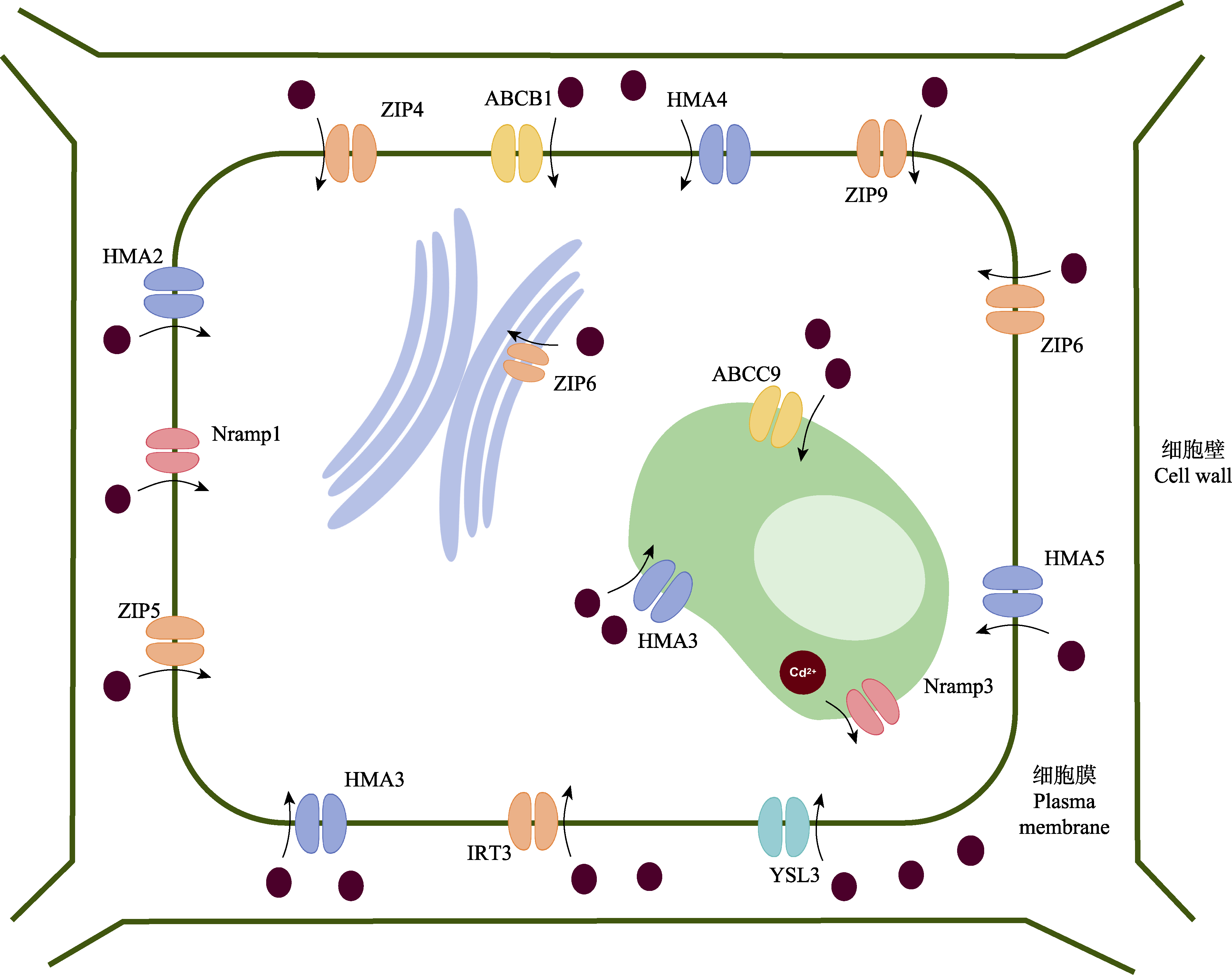
Fig. 2 Mechanism of cadmium (Cd) transport in plant roots. represent Cd2+; ABC, ATP-binding cassette transporter; HMA, heavy metal ATPase; IRT, iron regulated transporters; Nramp, natural resistance-associated macrophage protein; YSL, yellow stripe-like protein; ZIP, zinc-regulated transporter iron-regulated transporter-like proteins.
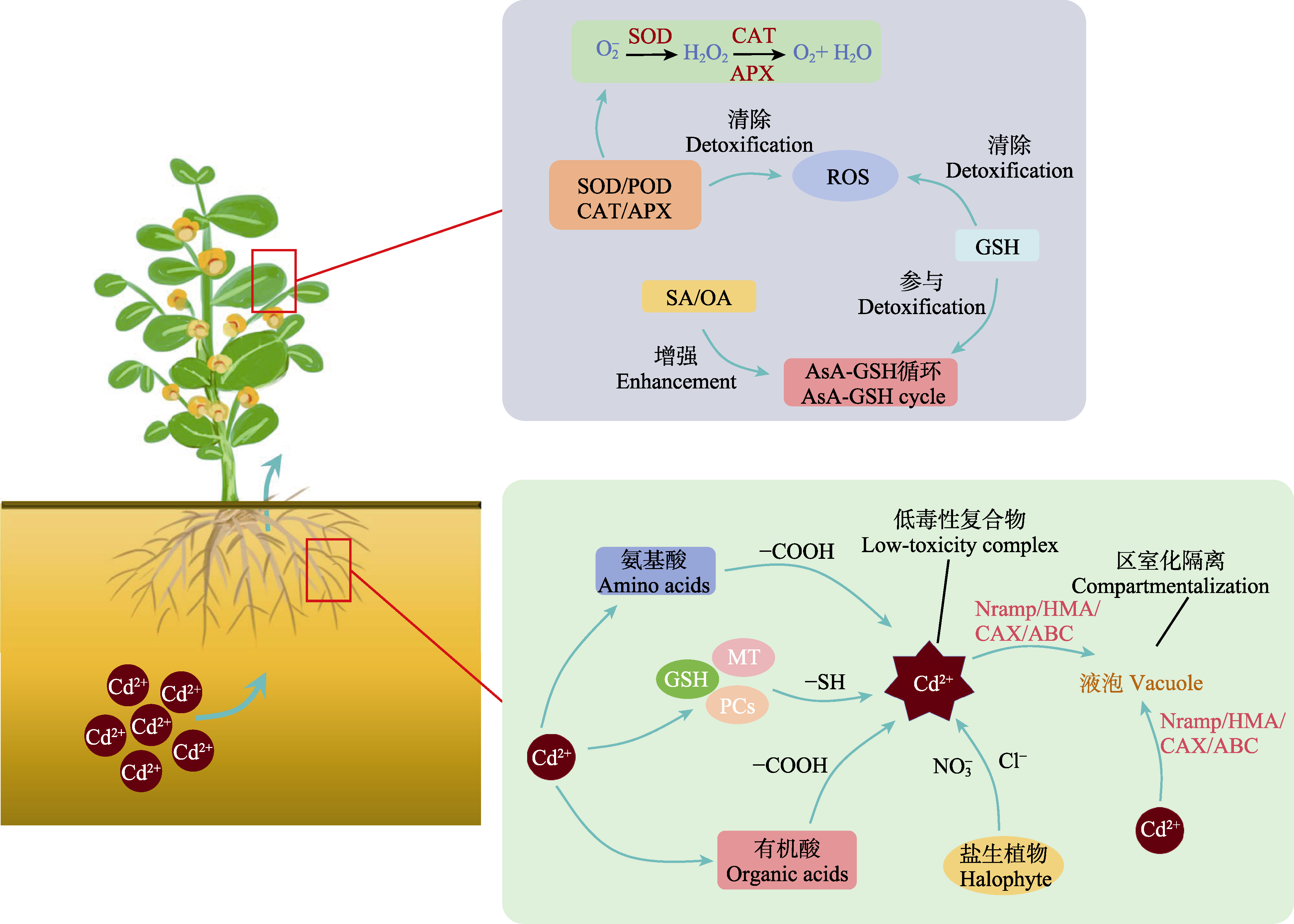
Fig. 3 Response and mitigation mechanisms of plants to cadmium (Cd). ABC, ATP-binding cassette transporter; APX, ascorbate peroxidase; AsA-GSH cycle, ascorbate-glutathione cycle; CAT, catalase; CAX, cation/Ca2+ exchanger; GSH, glutathione; HMA, heavy metal ATPase; MT, metallothionein; Nramp, natural resistance-associated macrophage protein; OA, oxalic acid; PCs, phytochelatins; POD, peroxidase; ROS, reactive oxygen species; SA, salicylic acid; SOD, superoxide dismutase.
| [1] | Ahmed T, Masood HA, Noman M, AL-Huqail AA, Alghanem SM, Khan MM, Muhammad S, Manzoor N, Rizwan M, Qi XJ, Abeed AHA, Li B (2023). Biogenic silicon nanoparticles mitigate cadmium (Cd) toxicity in rapeseed (Brassica napus L.) by modulating the cellular oxidative stress metabolism and reducing Cd translocation. Journal of Hazardous Materials, 459, 132070. DOI: 10.1016/j.jhazmat.2023.132070. |
| [2] | Ai H, Wu DX, Li CL, Hou MM (2022). Advances in molecular mechanisms underlying cadmium uptake and translocation in rice. Frontiers in Plant Science, 13, 1003953. DOI: 10.3389/fpls.2022.1003953. |
| [3] |
Ajeesh Krishna TP, Maharajan T, Victor Roch G, Ignacimuthu S, Antony Ceasar S (2020). Structure, function, regulation and phylogenetic relationship of ZIP family transporters of plants. Frontiers in Plant Science, 11, 662. DOI: 10.3389/fpls.2020.00662.
PMID |
| [4] | Al-Khayri JM, Banadka A, Rashmi R, Nagella P, Alessa FM, Almaghasla MI (2023). Cadmium toxicity in medicinal plants: an overview of the tolerance strategies, biotechnological and omics approaches to alleviate metal stress. Frontiers in Plant Science, 13, 1047410. DOI: 10.3389/fpls.2022.1047410. |
| [5] | An ZZ, Wang XC, Shi WM, Yang WD, Cao ZH (2002). Plant physiological responses to the interactions between heavy metal and nutrients. Ecology and Environment Sciences, 11, 392-396. |
| [安志装, 王校常, 施卫明, 严蔚东, 曹志洪 (2002). 重金属与营养元素交互作用的植物生理效应. 土壤与环境, 11, 392-396.] | |
| [6] |
Baker AJM, Brooks RR, Pease AJ, Malaisse F (1983). Studies on copper and cobalt tolerance in three closely related taxa within the genus Silene L. (Caryophyllaceae) from Zaïre. Plant and Soil, 73, 377-385.
DOI URL |
| [7] |
Ban Y, Ishikawa G, Ueda H, Ishikawa N, Kato K, Takata K, Matsuyama M, Handa H, Nakamura T, Yanaka M (2020). Novel quantitative trait loci for low grain cadmium concentration in common wheat (Triticum aestivum L.). Breeding Science, 70, 331-341.
DOI URL |
| [8] | Barr ZK, Werner T, Tilsner J (2023). Heavy metal-associated isoprenylated plant proteins (HIPPs) at plasmodesmata: Exploring the link between localization and function. Plants, 12, 3015. DOI: 10.3390/plants12163015. |
| [9] |
Bhattacharyya K, Sen D, Laskar P, Saha T, Kundu G, Ghosh Chaudhuri A, Ganguly S (2023). Pathophysiological effects of cadmium (II) on human health-A critical review. Journal of Basic and Clinical Physiology and Pharmacology, 34, 249-261.
DOI URL |
| [10] | Cao L, Ren WM, Liu LY, Zheng JL, Tao C, Zhu WY, Xiang MH, Wang LH, Liu YS, Zheng PP (2024). CDR1, a DUF946 domain containing protein, positively regulates cadmium tolerance in Arabidopsis thaliana by maintaining the stability of OPT3 protein. Journal of Hazardous Materials, 477, 135313. DOI: 10.1016/j.jhazmat.2024.135313. |
| [11] |
Castro-Rodríguez R, Escudero V, Reguera M, Gil-Diez P, Quintana J, Prieto RI, Kumar RK, Brear E, Grillet L, Wen J, Mysore KS, Walker EL, Smith PMC, Imperial J, González-Guerrero M (2021). Medicago truncatula Yellow Stripe-Like7 encodes a peptide transporter participating in symbiotic nitrogen fixation. Plant, Cell & Environment, 44, 1908-1920.
DOI URL |
| [12] | Ceasar SA, Lekeux G, Motte P, Xiao ZG, Galleni M, Hanikenne M (2020). Di-cysteine residues of the Arabidopsis thaliana HMA4 C-terminus are only partially required for cadmium transport. Frontiers in Plant Science, 11, 560. DOI: 10.3389/fpls.2020.00560. |
| [13] |
Chakrabarti M, Mukherjee A (2022). Metallo-adaptive response: a unique survival strategy of plants under genotoxic stress. The Nucleus, 65, 99-106.
DOI |
| [14] | Chang JD, Huang S, Yamaji N, Zhang WW, Ma J, Zhao FJ (2020). OsNRAMP1 transporter contributes to cadmium and manganese uptake in rice. Plant, Cell & Environment 43, 2476-2491. |
| [15] | Chang X, Li J, Wei SN, Ying JN, Nevill P, Qi ZC, Lu QX, You ZY (2024). Integrated comparative transcriptome and weighted gene co-expression network analysis provide valuable insights into the response mechanisms of Alisma orientale to cadmium stress. Science of the Total Environment, 957, 177401. DOI: 10.1016/j.scitotenv.2024.177401. |
| [16] |
Chen LH, Han Y, Jiang H, Korpelainen H, Li CY (2011). Nitrogen nutrient status induces sexual differences in responses to cadmium in Populus yunnanensis. Journal of Experimental Botany, 62, 5037-5050.
DOI URL |
| [17] | Chen QH, Tang W, Zeng G, Sheng HW, Shi WJ, Xiao YH (2020). Reduction of cadmium accumulation in the grains of male sterile rice Chuang-5S carrying Pi48 or Pi49 through marker-assisted selection. 3 Biotech, 10, 539. DOI: 10.1007/s13205-020-02533-6. |
| [18] | Chen X, Zhang YH, Cheng Y, Yu WJ, Yang LY, Shu PQ, Zhou J, Fayyaz P, Luo ZB, Deng SR, Shi WG (2025). PcWRKY1 represses transcription of Yellow Stripe-Like 3 (PcYSL3) to negatively regulate radial cadmium transport in poplar stems. Advanced Science, 12, 2405492. DOI: 10.1002/advs.202405492. |
| [19] |
Cheng XY, Cao XY, Tan CY, Liu LL, Bai J, Liang YF, Cai RZ (2022). Effects of four endophytic bacteria on cadmium speciation and remediation efficiency of Sedum plumbizincicola in farmland soil. Environmental Science and Pollution Research, 29, 89557-89569.
DOI |
| [20] |
Clemens S (2006). Evolution and function of phytochelatin synthases. Journal of Plant Physiology, 163, 319-332.
PMID |
| [21] |
Clemens S, Aarts MGM, Thomine S, Verbruggen N (2013). Plant science: the key to preventing slow cadmium poisoning. Trends in Plant Science, 18, 92-99.
DOI PMID |
| [22] |
Cobbett C, Goldsbrough P (2002). Phytochelatins and metallothioneins: roles in heavy metal detoxification and homeostasis. Annual Review of Plant Biology, 53, 159-182.
PMID |
| [23] |
de la Rosa G, Peralta-Videa JR, Montes M, Parsons JG, Cano-Aguilera I, Gardea-Torresdey JL (2004). Cadmium uptake and translocation in tumbleweed (Salsola kali), a potential Cd-hyperaccumulator desert plant species: ICP/OES and XAS studies. Chemosphere, 55, 1159-1168.
DOI PMID |
| [24] | Deckers J, Hendrix S, Prinsen E, Vangronsveld J, Cuypers A (2021). Glutathione is required for the early alert response and subsequent acclimation in cadmium-exposed Arabidopsis thaliana plants. Antioxidants, 11, 6. DOI: 10.3390/antiox11010006. |
| [25] | Ding AF, Liu CL, Wu XX (2023). Effects of biochar and its mixture of zeolite on availability of lead and cadmium in alkaline soil. Chinese Journal of Soil Science, 54, 454-461. |
| [丁爱芳, 刘存丽, 吴晓霞 (2023). 生物炭与沸石复配对碱性土壤铅镉有效性的影响. 土壤通报, 54, 454-461.] | |
| [26] | Du J, Lu XK, Cai K, Yan LN, Luan WL, Song ZF, Zhao ZR, Luan ZR, Yan XL, Yang X (2025). Cadmium pollution in soil and plant system and its remediation technology: status and prospects. Geology in China, 52, 131-158. |
| [杜俊, 鲁先科, 蔡奎, 闫丽娜, 栾文楼, 宋泽峰, 赵志瑞, 栾卓然, 阎秀兰, 杨潇 (2025). 土壤、植物中镉污染与治理技术研究现状与展望. 中国地质, 52, 131-158.] | |
| [27] | Feng H, Zhang QB, Wang Q, Wu HS, Cheng C (2024). Role of a highly-efficient plant growth-promoting bacterium in decreasing Cd uptake of wheat plant in Cd-contaminated weakly alkaline arable soils. Acta Pedologica Sinica, 62, 779-790. |
| [冯海, 张强兵, 王琪, 吴洪生, 程诚 (2024). 一株高效植物促生菌阻控小麦从弱碱性农田土壤中吸收镉的作用. 土壤学报, 62, 779-790.] | |
| [28] |
Feng SS, Tan JJ, Zhang YX, Liang S, Xiang SQ, Wang H, Chai TY (2017). Isolation and characterization of a novel cadmium-regulated Yellow Stripe-Like transporter (SnYSL3) in Solanum nigrum. Plant Cell Reports, 36, 281-296.
DOI URL |
| [29] | Feng TY, He XL, Zhuo RY, Qiao GR, Han XJ, Qiu WM, Chi LF, Zhang DY, Liu MY (2020). Identification and functional characterization of ABCC transporters for Cd tolerance and accumulation in Sedum alfredii Hance. Scientific Reports, 10, 20928. DOI: 10.1038/s41598-020-78018-6. |
| [30] |
Fleischer M, Sarofim AF, Fassett DW, Hammond P, Shacklette HT, Nisbet IC, Epstein S (1974). Environmental impact of cadmium: a review by the Panel on Hazardous Trace Substances. Environmental Health Perspectives, 7, 253-323.
PMID |
| [31] | Gaddam SR, Sharma A, Trivedi PK (2024). miR397b-LAC 2 module regulates cadmium stress response by coordinating root lignification and copper homeostasis in Arabidopsis thaliana. Journal of Hazardous Materials, 465, 133100. DOI: 10.1016/j.jhazmat.2023.133100. |
| [32] | Ghabriche R, Fourati E, Sacchi GA, Abdelly C, Ghnaya T (2024). How does NaCl enhance Cd tolerance in Inula crithmoides L.? Insights into Cd uptake, compartmentalization, and chelation. Chemosphere, 366, 143463. DOI: 10.1016/j.chemosphere.2024.143463. |
| [33] | Ghuge SA, Nikalje GC, Kadam US, Suprasanna P, Hong JC (2023). Comprehensive mechanisms of heavy metal toxicity in plants, detoxification, and remediation. Journal of Hazardous Materials, 450, 131039. DOI: 10.1016/j.jhazmat.2023.131039. |
| [34] | Gui YJ, Teo J, Tian DS, Mohan R, Yin ZC (2025). OsHMA3 overexpression works more efficiently in generating low-Cd rice grain than OsNramp5 knockout mutation. BMC Research Notes, 18, 55. DOI: 10.1186/s13104-025-07112-7. |
| [35] | Guo JJ, Li F, Xiao HC, Liu BL, Feng LN, Yu PF, Meng C, Zhao HM, Feng NX, Li YW, Cai QY, Xiang L, Mo C-H, Li QX (2023). Polyethylene and polypropylene microplastics reduce chemisorption of cadmium in paddy soil and increase its bioaccessibility and bioavailability. Journal of Hazardous Materials, 449, 130994. DOI: 10.1016/j.jhazmat.2023.130994. |
| [36] |
Guo Q, Tian XX, Mao PC, Meng L (2019). Functional characterization of IlHMA2, a P1B2-ATPase in Iris lactea response to Cd. Environmental and Experimental Botany, 157, 131-139.
DOI URL |
| [37] | Gupta P, Khatoon S, Tandon PK, Rai V (2014). Effect of cadmium on growth, bacoside A, and bacopaside I of Bacopa monnieri (L.), a memory enhancing herb. Scientific World Journal, 2014, 824586. DOI: 10.1155/2014/824586. |
| [38] |
Hall JL, Williams LE (2003). Transition metal transporters in plants. Journal of Experimental Botany, 54, 2601-2613.
DOI PMID |
| [39] | Han TL, Tang TW, Zhang PH, Liu M, Zhao J, Peng JS, Meng S (2022). Cloning and functional characterization of SpZIP2. Genes, 13, 2395. DOI: 10.3390/genes13122395. |
| [40] | Hashmi SS, Lubna, Bilal S, Jan R, Asif S, Abdelbacki AMM, Kim KM, Al-Harrasi A, Asaf S (2025). Exploring the role of ATP-binding cassette transporters in tomato (Solanum lycopersicum) under cadmium stress through genome-wide and transcriptomic analysis. Frontiers in Plant Science, 16, 1536178. DOI: 10.3389/fpls.2025.1536178. |
| [41] |
Hawrylak-Nowak B, Dresler S, Matraszek R (2015). Exogenous malic and acetic acids reduce cadmium phytotoxicity and enhance cadmium accumulation in roots of sunflower plants. Plant Physiology and Biochemistry, 94, 225-234.
DOI PMID |
| [42] |
He CT, Wang XS, Hu XX, Yuan J, Zhang QH, Tan XT, Wang YF, Tan X, Yang ZY (2024). Phytochelatin-mediated cultivar-dependent Cd accumulations of Lactuca sativa and implication for Cd pollution-safe cultivars screening. Journal of Agricultural and Food Chemistry, 72, 715-725.
DOI URL |
| [43] | Huang M, Zhao XF, Liang RX, Wang PZ, Dai AR, He XM (2022). Comparison of three chelating agents to remove the Cd and Cu in contaminated soil. Ecology and Environmental Sciences, 31, 1244-1252. |
|
[黄敏, 赵晓峰, 梁荣祥, 王鹏忠, 戴安然, 何晓曼 (2022). 3种螯合剂对Cd、Cu复合污染土壤淋洗修复的对比研究. 生态环境学报, 31, 1244-1252.]
DOI |
|
| [44] | Huang XH, Li XZ, Zheng LP, Zhang Y, Sun L, Feng YH, Du JY, Lu XS, Wang GQ (2024). Comprehensive assessment of health and ecological risk of cadmium in agricultural soils across China: a tiered framework. Journal of Hazardous Materials, 465, 133111. DOI: 10.1016/j.jhazmat.2023.133111. |
| [45] | Huang YZ, Hao XW, Lei M, Tie BQ (2013). The remediation technology and remediation practice of heavy metals-contaminated soil. Journal of Agro-Environment Science, 32, 409-417. |
| [黄益宗, 郝晓伟, 雷鸣, 铁柏清 (2013). 重金属污染土壤修复技术及其修复实践. 农业环境科学学报, 32, 409-417.] | |
| [46] | Huybrechts M, Cuypers A, Deckers J, Iven V, Vandionant S, Jozefczak M, Hendrix S (2019). Cadmium and plant development: an agony from seed to seed. International Journal of Molecular Sciences, 20, 3971. DOI: 10.3390/ijms20163971. |
| [47] | Jiang HY, He P, Jiao HP, Feng XC (2024). Effects of hydroxylapatite-series materials on cadmium adsorption in rice. Journal of Agro-Environment Science, 43, 2240-2247. |
| [江海燕, 何平, 焦洪鹏, 冯先翠 (2024). 纳米羟基磷灰石系列材料对水稻吸收镉的影响. 农业环境科学学报, 43, 2240-2247.] | |
| [48] | Jiang Y, Han JH, Xue WX, Wang JY, Wang BH, Liu LJ, Zou JH (2021). Overexpression of SmZIP plays important roles in Cd accumulation and translocation, subcellular distribution, and chemical forms in transgenic tobacco under Cd stress. Ecotoxicology and Environmental Safety, 214, 112097. DOI: 10.1016/j.ecoenv.2021.112097. |
| [49] |
Jin ZC, Li T, Zhou YL, Huang YZ, Ning CQ, Xu J, Hicks G, Raikhel N, Xiang Y, Li RX (2022). Small molecule RHP1 promotes root hair tip growth by acting upstream of the RHD6-RSL4-dependent transcriptional pathway and ROP signaling in plants. Plant Journal, 110, 1636-1650.
DOI URL |
| [50] | Jung HI, Lee TG, Lee J, Chae MJ, Lee EJ, Kim MS, Jung GB, Emmanuel A, Jeon S, Lee BR (2021). Foliar-applied glutathione mitigates cadmium-induced oxidative stress by modulating antioxidant-scavenging, redox-regulating, and hormone-balancing systems in Brassica napus. Frontiers in Plant Science, 12, 700413. DOI: 10.3389/fpls.2021.700413. |
| [51] |
Kang YY, Qin HY, Wang GH, Lei BF, Yang X, Zhong M (2024). Selenium nanoparticles mitigate cadmium stress in tomato through enhanced accumulation and transport of sulfate/selenite and polyamines. Journal of Agricultural and Food Chemistry, 72, 1473-1486.
DOI PMID |
| [52] | Kanwal F, Riaz A, Ali S, Zhang GP (2024). NRAMPs and manganese: magic keys to reduce cadmium toxicity and accumulation in plants. Science of the Total Environment, 921, 171005. DOI: 10.1016/j.scitotenv.2024.171005. |
| [53] |
Kaushik S, Ranjan A, Sidhu A, Singh AK, Sirhindi G (2024). Cadmium toxicity: its uptake and retaliation by plant defence system and JA signaling. BioMetals, 37, 755-772.
DOI PMID |
| [54] |
Kou T (2019). Summary of cadmium contaminated site remediation technology. Advances in Environmental Protection, 9, 158-163.
DOI URL |
| [寇婷 (2019). 镉污染场地修复技术综述. 环境保护前沿, 9, 158-163.] | |
| [55] | Kumar A, Joon R, Singh G, Singh J, Pandey AK (2025). The multifaceted role of YSL proteins: iron transport and emerging functions in plant metal homeostasis. Biochimica et Biophysica Acta (BBA)-General Subjects, 1869, 130792. DOI: 10.1016/j.bbagen.2025.130792. |
| [56] | Küpper H, Kochian LV (2010). Transcriptional regulation of metal transport genes and mineral nutrition during acclimatization to cadmium and zinc in the Cd/Zn hyperaccumulator, Thlaspi caerulescens (Ganges population). New Phytologist, 185, 114-129. |
| [57] |
Lee S, Lee J, Ricachenevsky FK, Punshon T, Tappero R, Salt DE, Guerinot ML (2021). Redundant roles of four ZIP family members in zinc homeostasis and seed development in Arabidopsis thaliana. Plant Journal, 108, 1162-1173.
DOI URL |
| [58] | Li H, Liu XS, Sun D, Yang ZM (2024). A long non-coding RNA associated with H3K7me3 methylation negatively regulates OsZIP16 transcription under cadmium stress. Gene, 901, 148173. DOI: 10.1016/j.gene.2024.148173. |
| [59] | Li JY, Wang LH, Zheng L, Wang YR, Chen X, Zhang W (2018). A functional study identifying critical residues involving metal transport activity and selectivity in natural resistance-associated macrophage protein 3 in Arabidopsis thaliana. International Journal of Molecular Sciences, 19, 1430. DOI: 10.3390/ijms19051430. |
| [60] | Li S, Le SX, Wang X, Bai JY, Wang R, Zhao Y (2020). Functional analysis of organic acids on different oilseed rape species in phytoremediation of cadmium pollution. Plants, 9, 884. DOI: 10.3390/plants9070884. |
| [61] | Li YL, Rahman SU, Qiu ZX, Shahzad SM, Nawaz MF, Huang JZ, Naveed S, Li L, Wang XJ, Cheng HF (2023a). Toxic effects of cadmium on the physiological and biochemical attributes of plants, and phytoremediation strategies: a review. Environmental Pollution, 325, 121433. DOI: 10.1016/j.envpol.2023.121433. |
| [62] | Li YP, Dong Q, Wu DN, Yin Y, Du WC, Guo HY (2023b). A 24-epibrassinolide treatment and intercropping willow with alfalfa increase the efficiency of the phytoremediation of cadmium-contaminated soil. Science of the Total Environment, 854, 158471. DOI: 10.1016/j.scitotenv.2022.158471. |
| [63] |
Liang YY, Wang XL, Yang F (2019). Research progress of soil passivation technology in cadmium contaminated farmland. Hans Journal of Soil Science, 7, 220-225.
DOI URL |
| [梁远宇, 王小利, 杨芳 (2019). 镉污染农田土壤钝化技术研究进展. 土壤科学, 7, 220-225.] | |
| [64] | Liao CJ, Li YQ, Wu XH, Wu WM, Zhang Y, Zhan PL, Meng X, Hu GJ, Yang SQ, Lin HJ (2023). ZmHMA3, a member of the heavy-metal-transporting ATPase family, regulates Cd and Zn tolerance in maize. International Journal of Molecular Sciences, 24, 13496. DOI: 10.3390/ijms241713496. |
| [65] |
Lin H, Lin JL, Jia YL, Dan X, Sun JL, Ning ZP, Nan J, Liu XL, Li TT, Wang ZH, Ran X (2019). Soil Cd bioavailability and its control measures: a review. Advances in Geosciences, 9, 823-838.
DOI URL |
| [林侯, 林金兰, 贾彦龙, 丹邢, 孙嘉龙, 宁增平, 南江, 刘小龙, 李廷婷, 王宗虎, 冉解 (2019). 土壤Cd生物有效性及其调控措施研究进展. 地球科学前沿, 9, 823-838.] | |
| [66] | Liu AR, Wang WJ, Zheng XY, Chen XC, Fu WT, Wang G, Ji J, Jin C, Guan CF (2022). Improvement of the Cd and Zn phytoremediation efficiency of rice (Oryza sativa) through the inoculation of a metal-resistant PGPR strain. Chemosphere, 302, 134900. DOI: 10.1016/j.chemosphere.2022.134900. |
| [67] | Liu CC, Wen L, Cui YJ, Ahammed GJ, Cheng Y (2024a). Metal transport proteins and transcription factor networks in plant responses to cadmium stress. Plant Cell Reports, 43, 218. DOI: 10.1007/s00299-024-03303-x. |
| [68] | Liu JB, Yang WT, Zhou H, Zia-ur-Rehman M, Salam M, Ouyang LN, Chen YL, Yang LY, Wu P (2024b). Exploring the mechanisms of organic fertilizers on Cd bioavailability in rice fields: environmental behavior and effect factors. Ecotoxicology and Environmental Safety, 285, 117094. DOI: 10.1016/j.ecoenv.2024.117094. |
| [69] |
Liu ZL, He XY, Chen W, Zhao MZ (2013). Ecotoxicological responses of three ornamental herb species to cadmium. Environmental Toxicology and Chemistry, 32, 1746-1751.
DOI PMID |
| [70] | Long XN, Zhang XK, Wu Y, You XX, Tang SS, Zheng TX, Cao GH, He S (2025). Research progress on mechanisms of arbuscular mycorrhizal fungi to enhance resistance of medicinal plants in response to cadmium stress. Chinese Traditional and Herbal Drugs, 56, 1477-1488. |
| [龙仙女, 张兴开, 武越, 游晓旭, 唐树爽, 郑泰雄, 曹冠华, 贺森 (2025). 丛枝菌根真菌提高药用植物镉胁迫抗性作用机制的研究进展. 中草药, 56, 1477-1488.] | |
| [71] |
Luo BH, Xiao CF, Liu YL, Li L, Peng L, Zeng QR, Luo S (2022). Activation of cadmium under simulated solar illumination and its impact on the mobility of Cd in flooded soils. Environmental Science and Pollution Research, 29, 52367-52377.
DOI |
| [72] | Luo JS, Huang J, Zeng DL, Peng JS, Zhang GB, Ma HL, Guan Y, Yi HY, Fu YL, Han B, Lin HX, Qian Q, Gong JM (2018). A defensin-like protein drives cadmium efflux and allocation in rice. Nature Communications, 9, 645. DOI: 10.1038/s41467-018-03088-0. |
| [73] |
Luo JS, Zhang ZH (2021). Mechanisms of cadmium phytoremediation and detoxification in plants. Crop Journal, 9, 521-529.
DOI URL |
| [74] | Luo P, Wu JJ, Li TT, Shi PH, Ma Q, Di DW (2024). An overview of the mechanisms through which plants regulate ROS homeostasis under cadmium stress. Antioxidants, 13, 1174. DOI: 10.3390/antiox13101174. |
| [75] | Luo XF, Yi XT, Wang DZ, Wang JY, Zeng P, Zhou H, Gu JF, Liao BH, Li H (2025). Enhancing Cd and Pb tolerance of Robinia pseudoacacia (black locust) by regulating antioxidant defense system, macroelement uptake and microstructure. Tree Physiology, 45, tpaf015. DOI: 10.1093/treephys/tpaf015. |
| [76] | Lv QM, Li WG, Sun ZZ, Ouyang N, Jing X, He Q, Wu J, Zheng JK, Zheng JT, Tang SQ, Zhu RS, Tian Y, Duan MJ, Tan YN, Yu D, et al. (2020). Resequencing of 1,143 indica rice accessions reveals important genetic variations and different heterosis patterns. Nature Communications, 11, 4778. DOI: 10.1038/s41467-020-18608-0. |
| [77] | Ma HH, Peng M, Guo F, Liu F, Tang SQ, Yang Z, Zhang FG, Zhou YL, Yang K, Li K, Liu XJ (2021). Factors affecting the translocation and accumulation of cadmium in a soil-crop system in a typical karst area of Guangxi Province, China. Environmental Science, 42, 1514-1522. |
| [马宏宏, 彭敏, 郭飞, 刘飞, 唐世琪, 杨峥, 张富贵, 周亚龙, 杨柯, 李括, 刘秀金 (2021). 广西典型岩溶区农田土壤-作物系统Cd迁移富集影响因素. 环境科学, 42, 1514-1522.] | |
| [78] | Ma J, Li S, Wu YS, He CX (2025). Advance in NRAMP gene functions in regulating plant heavy metal absorption and transport. Chinese Journal of Applied Ecology, 36, 1567-1578. |
|
[马俊, 李珊, 吴亚胜, 贺超兴 (2025). 重金属吸收转运调控基因NRAMP的功能及其作用机理研究进展. 应用生态学报, 36, 1567-1578.]
DOI |
|
| [79] | Mahmoud A, AbdElgawad H, Hamed BA, Beemster GTS, El-Shafey NM (2021). Differences in cadmium accumulation, detoxification and antioxidant defenses between contrasting maize cultivars implicate a role of superoxide dismutase in Cd tolerance. Antioxidants, 10, 1812. DOI: 10.3390/antiox10111812. |
| [80] |
Man Y, Zhao YY, Ye R, Lin JX, Jing YP (2018). In vivo cytological and chemical analysis of Casparian strips using stimulated Raman scattering microscopy. Journal of Plant Physiology, 220, 136-144.
DOI PMID |
| [81] | Manzoor H, Mehwish, Bukhat S, Rasul S, Rehmani MIA, Noreen S, Athar HUR, Zafar ZU, Skalicky M, Soufan W, Brestic M, Habib-ur-Rahman M, Ogbaga C, El Sabagh A (2022). Methyl jasmonate alleviated the adverse effects of cadmium stress in pea (Pisum sativum L.): a nexus of photosystem II activity and dynamics of redox balance. Frontiers in Plant Science, 13, 860664. DOI: 10.3389/fpls.2022.860664. |
| [82] |
Mellor NL, Voß U, Ware A, Janes G, Barrack D, Bishopp A, Bennett MJ, Geisler M, Wells DM, Band LR (2022). Systems approaches reveal that ABCB and PIN proteins mediate co-dependent auxin efflux. Plant Cell, 34, 2309-2327.
DOI URL |
| [83] | Millan CR, Francis M, Khandelwal NK, Thompson VF, Thaker TM, Tomasiak TM (2021). A conserved motif in intracellular loop 1 stabilizes the outward-facing conformation of TmrAB. Journal of Molecular Biology, 433, 166834. DOI: 10.1016/j.jmb.2021.166834. |
| [84] | Min T, Luo T, Chen LL, Lu WD, Wang Y, Cheng LY, Ru SB, Li JH (2021). Effect of dissolved organic matter on the phytoremediation of Cd-contaminated soil by cotton. Ecotoxicology and Environmental Safety, 226, 112842. DOI: 10.1016/j.ecoenv.2021.112842. |
| [85] |
Mishra B, Sangwan RS, Mishra S, Jadaun JS, Sabir F, Sangwan NS (2014). Effect of cadmium stress on inductive enzymatic and nonenzymatic responses of ROS and sugar metabolism in multiple shoot cultures of Ashwagandha (Withania somnifera Dunal). Protoplasma, 251, 1031-1045.
DOI URL |
| [86] | Mittra PK, Rahman MA, Roy SK, Kwon SJ, Yun SH, Kun C, Zhou ML, Katsube-Tanaka T, Shiraiwa T, Woo SH (2024). Deciphering proteomic mechanisms explaining the role of glutathione as an aid in improving plant fitness and tolerance against cadmium-toxicity in Brassica napus L. Journal of Hazardous Materials, 471, 134262. DOI: 10.1016/j.jhazmat.2024.134262. |
| [87] |
Miyadate H, Adachi S, Hiraizumi A, Tezuka K, Nakazawa N, Kawamoto T, Katou K, Kodama I, Sakurai K, Takahashi H, Satoh-Nagasawa N, Watanabe A, Fujimura T, Akagi H (2011). OsHMA3, a P1B-type ATPase affects root-to-shoot cadmium translocation in rice by mediating efflux into vacuoles. New Phytologist, 189, 190-199.
DOI URL |
| [88] | Mumtaz S, Anas M, Javed S, Tahir MF, Saleem MH, Elansary HO, Mahmoud EA, Fahad S, Ali S (2025). Mitigating cadmium stress in rice (Oryza sativa L.) using succinic and oxalic acids with focus on cellular integrity and antioxidant responses. Plant Physiology and Biochemistry, 220, 109548. DOI: 10.1016/j.plaphy.2025.109548. |
| [89] |
Naaz S, Ahmad N, Jameel MR, Al-Huqail AA, Khan F, Qureshi MI (2023). Impact of some toxic metals on important ABC transporters in soybean (Glycine max L.). ACS Omega, 8, 27597-27611.
DOI URL |
| [90] |
Naseer S, Lee Y, Lapierre C, Franke R, Nawrath C, Geldner N (2012). Casparian strip diffusion barrier in Arabidopsis is made of a lignin polymer without suberin. Proceedings of the National Academy of Sciences of the United States of America, 109, 10101-10106.
DOI PMID |
| [91] |
Neyshabouri FA, Ghotbi-Ravandi AA, Shariatmadari Z, Tohidfar M (2024). Cadmium toxicity promotes hormonal imbalance and induces the expression of genes involved in systemic resistances in barley. BioMetals, 37, 1147-1160.
DOI PMID |
| [92] | Pasquadibisceglie A, Leccese A, Polticelli F (2022). A computational study of the structure and function of human Zrt and Irt-like proteins metal transporters: an elevator-type transport mechanism predicted by AlphaFold2. Frontiers in Chemistry, 10, 1004815. DOI: 10.3389/fchem.2022.1004815. |
| [93] | Peana M, Pelucelli A, Chasapis CT, Perlepes SP, Bekiari V, Medici S, Zoroddu MA (2022). Biological effects of human exposure to environmental cadmium. Biomolecules, 13, 36. DOI: 10.3390/biom13010036. |
| [94] | Pons ML, Collin B, Doelsch E, Chaurand P, Fehlauer T, Levard C, Keller C, Rose J (2021). X-ray absorption spectroscopy evidence of sulfur-bound cadmium in the Cd-hyperaccumulator Solanum nigrum and the non-accumulator Solanum melongena. Environmental Pollution, 279, 116897. DOI: 10.1016/j.envpol.2021.116897. |
| [95] | Qin XM, Xia YT, Hu CX, Yu M, Shabala S, Wu SW, Tan QL, Xu SJ, Sun XC (2021). Ionomics analysis provides new insights into the co-enrichment of cadmium and zinc in wheat grains. Ecotoxicology and Environmental Safety, 223, 112623. DOI: 10.1016/j.ecoenv.2021.112623. |
| [96] | Rasheed A, AL-Huqail AA, Ali B, Alghanem SMS, Shah AA, Azeem F, Rizwan M, Al-Qthanin RN, Soudy FA (2024). Molecular characterization of genes involved in tolerance of cadmium in Triticum aestivum (L.) under Cd stress. Journal of Hazardous Materials, 464, 132955. DOI: 10.1016/j.jhazmat.2023.132955. |
| [97] | Raza A, Habib M, Kakavand SN, Zahid Z, Zahra N, Sharif R, Hasanuzzaman M (2020). Phytoremediation of cadmium: physiological, biochemical, and molecular mechanisms. Biology, 9, 177. DOI: 10.3390/biology9070177. |
| [98] |
Reis DT, Ribeiro IHS, Pereira DH (2020). DFT study of the application of polymers cellulose and cellulose acetate for adsorption of metal ions (Cd2+, Cu2+ and Cr3+) potentially toxic. Polymer Bulletin, 77, 3443-3456.
DOI |
| [99] | Ren YF, He JY, Zhou GQ, Wang YY (2010). Effects of praseodymium on root growth and morphological characteristics of rice seedlings under cadmium stress. Ecology and Environmental Sciences, 19, 102-107. |
|
[任艳芳, 何俊瑜, 周国强, 王阳阳 (2010). 镨对镉胁迫下水稻幼苗根系生长和根系形态的影响. 生态环境学报, 19, 102-107.]
DOI |
|
| [100] | Riaz M, Kamran M, Rizwan M, Ali S, Parveen A, Malik Z, Wang XR (2021). Cadmium uptake and translocation: selenium and silicon roles in Cd detoxification for the production of low Cd crops: a critical review. Chemosphere, 273, 129690. DOI: 10.1016/j.chemosphere.2021.129690. |
| [101] |
Rizwan M, Ali S, Ali B, Adrees M, Arshad M, Hussain A, Zia ur Rehman M, Waris AA (2019). Zinc and iron oxide nanoparticles improved the plant growth and reduced the oxidative stress and cadmium concentration in wheat. Chemosphere, 214, 269-277.
DOI PMID |
| [102] |
Roberts CS, Ni F, Mitra B (2021). The zinc and iron binuclear transport center of ZupT, a ZIP transporter from Escherichia coli. Biochemistry, 60, 3738-3752.
DOI URL |
| [103] |
Salt DE, Prince RC, Pickering IJ, Raskin I (1995). Mechanisms of cadmium mobility and accumulation in Indian mustard. Plant Physiology, 109, 1427-1433.
DOI PMID |
| [104] | Sardar R, Ahmed S, Yasin NA (2022). Titanium dioxide nanoparticles mitigate cadmium toxicity in Coriandrum sativum L. through modulating antioxidant system, stress markers and reducing cadmium uptake. Environmental Pollution, 292, 118373. DOI: 10.1016/j.envpol.2021.118373. |
| [105] |
Sasaki A, Yamaji N, Yokosho K, Ma JF (2012). Nramp5 is a major transporter responsible for manganese and cadmium uptake in rice. Plant Cell, 24, 2155-2167.
DOI URL |
| [106] | Shaari NEM, Tajudin MTFM, Khandaker MM, Majrashi A, Alenazi MM, Abdullahi UA, Mohd KS (2022). Cadmium toxicity symptoms and uptake mechanism in plants: a review. Brazilian Journal of Biology, 84, e252143. DOI: 10.1590/1519-6984.252143. |
| [107] |
Shekari L, Aroiee H, Mirshekari A, Nemati H (2019). Protective role of selenium on cucumber (Cucumis sativus L.) exposed to cadmium and lead stress during reproductive stage. Journal of Plant Nutrition, 42, 529-542.
DOI |
| [108] | Shen C, Li X (2023). Genome-wide identification and expression pattern profiling of the ATP-binding cassette gene family in tea plant (Camellia sinensis). Plant Physiology and Biochemistry, 202, 107930. DOI: 10.1016/j.plaphy.2023.107930. |
| [109] | Shui XF, Zhao YY, Wang Q (2021). Progress and prospect of remediation technology of heavy-metal-contaminated soil in mines. Geological Review, 67, 67030022. DOI: 10.16509/j.georeview.2021.04.195. |
| [水新芳, 赵元艺, 王强 (2021). 矿山重金属污染土壤修复技术进展及展望. 地质论评, 67, 67030022. DOI: 10.16509/j.georeview.2021.04.195.] | |
| [110] | Sun N, Xie YF, Wu Y, Guo N, Li DH, Gao JS (2021). Genome-wide identification of ABCC gene family and their expression analysis in pigment deposition of fiber in brown cotton (Gossypium hirsutum). PLoS ONE, 16, e0246649. DOI: 10.1371/journal.pone.0246649. |
| [111] |
Takahashi R, Ishimaru Y, Shimo H, Ogo Y, Senoura T, Nishizawa NK, Nakanishi H (2012). The OsHMA2 transporter is involved in root-to-shoot translocation of Zn and Cd in rice. Plant, Cell & Environment, 35, 1948-1957.
DOI URL |
| [112] |
Tan LT, Qu MM, Zhu YX, Peng C, Wang JR, Gao DY, Chen CY (2020). ZINC TRANSPORTER5 and ZINC TRANSPORTER9 function synergistically in zinc/cadmium uptake. Plant Physiology, 183, 1235-1249.
DOI PMID |
| [113] |
Tan LT, Zhu YX, Fan T, Peng C, Wang JR, Sun L, Chen CY (2019). OsZIP7 functions in xylem loading in roots and inter-vascular transfer in nodes to deliver Zn/Cd to grain in rice. Biochemical and Biophysical Research Communications, 512, 112-118.
DOI PMID |
| [114] | Tang Z, You TT, Li YF, Tang ZX, Bao MQ, Dong G, Xu ZR, Wang P, Zhao FJ (2023). Rapid identification of high and low cadmium (Cd) accumulating rice cultivars using machine learning models with molecular markers and soil Cd levels as input data. Environmental Pollution, 326, 121501. DOI: 10.1016/j.envpol.2023.121501. |
| [115] | Tao JY, Lu LL (2022). Advances in genes-encoding transporters for cadmium uptake, translocation, and accumulation in plants. Toxics, 10, 411. DOI: 10.3390/toxics10080411. |
| [116] | Teng Y, Yu A, Tang YM, Jiang ZY, Guan WJ, Li ZS, Yu HY, Zou LY (2021). Visualization and quantification of cadmium accumulation, chelation and antioxidation during the process of vacuolar compartmentalization in the hyperaccumulator plant Solanum nigrum L. Plant Science, 310, 110961. DOI: 10.1016/j.plantsci.2021.110961. |
| [117] |
Tennakoon A, Galahitigama H, Samarakoon SMABK, Perera IJJUN, Thakshila GPGI, Thiruketheeswaranathan S, Roshana MR, Sandamal S, Sewwandi GPGSM, Bellanthudawa BKA (2025). Remediating contaminated environmental systems: the role of plants in cadmium removal. International Journal of Phytoremediation, 27, 896-915.
DOI URL |
| [118] | Uraguchi S, Fujiwara T (2012). Cadmium transport and tolerance in rice: perspectives for reducing grain cadmium accumulation. Rice, 5, 5. DOI: 10.1186/1939-8433-5-5. |
| [119] |
van der Vliet L, Peterson C, Hale B (2007). Cd accumulation in roots and shoots of durum wheat: the roles of transpiration rate and apoplastic bypass. Journal of Experimental Botany, 58, 2939-2947.
PMID |
| [120] |
Vitelli V, Giamborino A, Bertolini A, Saba A, Andreucci A (2024). Cadmium stress signaling pathways in plants: molecular responses and mechanisms. Current Issues in Molecular Biology, 46, 6052-6068.
DOI PMID |
| [121] | Wang J, Yang W, Zhang SH, Dong JF, Yang TF, Ma YM, Zhou L, Chen JS, Liu B, Zhao JL (2022a). Mining candidate genes for rice cadmium accumulation in the shoot through a genome-wide association study and transcriptomic analysis. Frontiers in Genetics, 13, 944529. DOI: 10.3389/fgene.2022.944529. |
| [122] | Wang L, Li R, Yan XX, Liang XF, Sun YB, Xu YM (2020). Pivotal role for root cell wall polysaccharides in cultivar-dependent cadmium accumulation in Brassica chinensis L. Ecotoxicology and Environmental Safety, 194, 110369. DOI: 10.1016/j.ecoenv.2020.110369. |
| [123] | Wang L, Wang JF, Kong X, Chen XL, Chen LL, Wu YJ, Yi Y, Liu J, Gong JY (2024). Progress on the mechanism of PGPR to promote plant growth and enhance cadmium tolerance in plants. Seed, 43, 73-85. |
| [王丽, 王剑峰, 孔鑫, 陈显磊, 陈兰兰, 吴亚娟, 乙引, 刘杰, 龚记熠 (2024). PGPR促进植物生长及增强植物耐镉机制研究进展. 种子, 43, 73-85.] | |
| [124] |
Wang LF, Qin LY, Sun XY, Zhao SW, Yu L, Chen SB, Wang M (2023a). Salt stress-induced changes in soil metabolites promote cadmium transport into wheat tissues. Journal of Environmental Sciences, 127, 577-588.
DOI URL |
| [125] | Wang LY, Chen J, Zhao SQ, Yan HL, Xu WX, Liu RX, Ma M, Yu YJ, He ZY (2022). Research progress of the physiological and molecular mechanisms of cadmium accumulation in rice. Chinese Bulletin of Botany, 57, 236-249. |
|
[王璐瑶, 陈謇, 赵守清, 闫慧莉, 许文秀, 刘若溪, 麻密, 虞轶俊, 何振艳 (2022). 水稻镉积累特性的生理和分子机制研究概述. 植物学报, 57, 236-249.]
DOI |
|
| [126] | Wang SF, Liu Y, Kariman K, Li JL, Zhang HH, Li FB, Chen YL, Ma CJ, Liu CP, Yuan YZ, Zhu ZQ, Rengel Z (2021). Co-cropping Indian mustard and silage maize for phytoremediation of a cadmium-contaminated acid paddy soil amended with peat. Toxics, 9, 91. DOI: 10.3390/toxics9050091. |
| [127] | Wang XY, Tang WY, Cao DD, Guo YY, Dong Q, Liu GL, Liu YW, Yin YG, Cai Y, Jiang GB (2025). Different impacts of chelating agents on Cd bioavailability in microbes and plants. Bulletin of Environmental Contamination and Toxicology, 114, 86. DOI: 10.1007/s00128-025-04063-4. |
| [128] | Wang Z, Liu WJ, Liu J, Liu XW, Liu RL, Zhao YJ (2022b). Differences and mechanism of dynamic changes of Cd activity regulated by polymorphous sulfur in paddy soil. Chemosphere, 291, 133055. DOI: 10.1016/j.chemosphere.2021.133055. |
| [129] | Wang Z, Liu WJ, Zhang CC, Liu XW, Liang XF, Liu RL, Zhao YJ (2023b). Mechanisms of S cooperating with Fe and Mn to regulate the conversion of Cd and Cu during soil redox process revealed by LDHs-DGT technology. Science of the Total Environment, 867, 161431. DOI: 10.1016/j.scitotenv.2023.161431. |
| [130] | Wei ZB, Chen XH, Wu QT, Tan M (2015). Enhanced phytoextraction of heavy metals from contaminated soils using Sedum alfredii Hance with biodegradable chelate GLDA. Environmental Science, 36, 1864-1869. |
| [卫泽斌, 陈晓红, 吴启堂, 谭蒙 (2015). 可生物降解螯合剂GLDA诱导东南景天修复重金属污染土壤的研究. 环境科学, 36, 1864-1869.] | |
| [131] | Wen QR, Zhang Q, Tian Q, Li B, Wang JW, Ma TC, Chen HF (2025). The influencing factors of cadmium and arsenic activities in typical paddy and adjacent upland soils in southern China. Research of Agricultural Modernization, 46, 182-193. |
| [文琦仁, 张泉, 田倩, 李波, 王建伟, 马天池, 陈海飞 (2025). 南方典型污染稻田与旱地土壤镉砷活性影响因素研究. 农业现代化研究, 46, 182-193.] | |
| [132] | Wu HX, Tong JH, Jiang XH, Wang J, Zhang HN, Luo YT, Pang JL, Shi JY (2024). More effective than direct contact: Nano hydroxyapatite pre-treatment regulates the growth and Cd uptake of rice (Oryza sativa L.) seedlings. Journal of Hazardous Materials, 463, 132889. DOI: 10.1016/j.jhazmat.2023.132889. |
| [133] | Wu X, Su NN, Yue XM, Fang B, Zou JW, Chen YH, Shen ZG, Cui J (2021). IRT1 and ZIP 2 were involved in exogenous hydrogen-rich water-reduced cadmium accumulation in Brassica chinensis and Arabidopsis thaliana. Journal of Hazardous Materials, 407, 124599. DOI: 10.1016/j.jhazmat.2020.124599. |
| [134] |
Wu X, Wang TT, Song H, Jia YF, Ma Q, Tao MZ, Zhu XY, Cao SQ (2023). The transcription factor WRKY 12 negatively regulates iron entry into seeds in Arabidopsis. Journal of Experimental Botany, 74, 415-426.
DOI URL |
| [135] | Xu WH, Huang H, Li XD, Yang M, Chi SL, Pan Y, Li NN, Paterson AH, Chai YR, Lu K (2023). CaHMA1 promotes Cd accumulation in pepper fruit. Journal of Hazardous Materials, 460, 132480. DOI: 10.1016/j.jhazmat.2023.132480. |
| [136] | Xu ZR, You TT, Liu WY, Ye K, Zhao FJ, Wang P (2024). Mitigating cadmium accumulation in dicotyledonous vegetables by iron fertilizer through inhibiting Fe transporter IRT1-mediated Cd uptake. Chemosphere, 346, 140559. DOI: 10.1016/j.chemosphere.2023.140559. |
| [137] |
Yan HL, Peng ZM, Zhang H, Wang BH, Xu WX, He ZY (2025). Cadmium minimization in crops: a trade-off with mineral nutrients in safe breeding. Plant, Cell & Environment, 48, 838-851.
DOI URL |
| [138] | Yang GZ, Fu S, Huang JJ, Li LY, Long Y, Wei QX, Wang ZG, Chen ZW, Xia JX (2021). The tonoplast-localized transporter OsABCC9 is involved in cadmium tolerance and accumulation in rice. Plant Science, 307, 110894. DOI: 10.1016/j.plantsci.2021.110894. |
| [139] | Yang Q, Yu H, Yang C, Zhao ZQ, Ju ZS, Wang JM, Bai ZK (2024). Enhanced phytoremediation of cadmium- contaminated soil using chelating agents and plant growth regulators: effect and mechanism. Royal Society Open Science, 11, 240672. DOI: 10.1098/rsos.240672. |
| [140] |
Yetişsin F, Ahneak E (2025). Acetone O-(2-naphthylsulfonyl) oxime alleviates the toxic effects of cadmium in maize seedlings by increasing the phenolic substance content and antioxidant system activity. International Journal of Phytoremediation, 27, 180-191.
DOI URL |
| [141] |
Yoneyama T, Ishikawa S, Fujimaki S (2015). Route and regulation of zinc, cadmium, and iron transport in rice plants (Oryza sativa L.) during vegetative growth and grain filling: metal transporters, metal speciation, grain Cd reduction and Zn and Fe biofortification. International Journal of Molecular Sciences, 16, 19111-19129.
DOI URL |
| [142] | You YQ, Wang L, Ju C, Wang G, Ma F, Wang YJ, Yang DG (2021). Effects of arbuscular mycorrhizal fungi on the growth and toxic element uptake of Phragmites australis (Cav.) Trin. ex Steud under zinc/cadmium stress. Ecotoxicology and Environmental Safety, 213, 112023. DOI: 10.1016/j.ecoenv.2021.112023. |
| [143] | Yu HY, Wu Y, Huang HG, Zhan J, Wang KJ, Li TX (2020). The predominant role of pectin in binding Cd in the root cell wall of a high Cd accumulating rice line (Oryza sativa L.). Ecotoxicology and Environmental Safety, 206, 111210. DOI: 10.1016/j.ecoenv.2020.111210. |
| [144] | Yu HY, Yang AQ, Wang KJ, Li Q, Ye DH, Huang HG, Zhang XZ, Wang YD, Zheng ZC, Li TX (2021). The role of polysaccharides functional groups in cadmium binding in root cell wall of a cadmium-safe rice line. Ecotoxicology and Environmental Safety, 226, 112818. DOI: 10.1016/j.ecoenv.2021.112818. |
| [145] | Yu WJ, Deng SR, Chen X, Cheng Y, Li ZR, Wu JT, Zhu DY, Zhou J, Cao Y, Fayyaz P, Shi WG, Luo ZB (2022). PcNRAMP 1 enhances cadmium uptake and accumulation in Populus × canescens. International Journal of Molecular Sciences, 23, 7593. DOI: 10.3390/ijms23147593. |
| [146] | Yu XF, Yang L, Fan CY, Hu JN, Zheng YH, Wang ZW, Liu YJ, Xiao X, Yang LJ, Lei T, Jiang MY, Jiang BB, Pan YZ, Li X, Gao SP, et al. (2023). Abscisic acid (ABA) alleviates cadmium toxicity by enhancing the adsorption of cadmium to root cell walls and inducing antioxidant defense system of Cosmos bipinnatus. Ecotoxicology and Environmental Safety, 261, 115101. DOI: 10.1016/j.ecoenv.2023.115101. |
| [147] | Yu YA, Rong KK, Sui XT, Zhang L, Zhang MX, Hu HY, Jia JS, Wu JY, Li CW (2025). Analysis of NRAMP genes in the Triticeae reveals that TaNRAMP5 positively regulates cadmium (Cd) tolerance in wheat (Triticum aestivum). Plant Physiology and Biochemistry, 219, 109321. DOI: 10.1016/j.plaphy.2024.109321. |
| [148] |
Zaari Jabri N, Ait-El-Mokhtar M, Mekkaoui F, Amghar I, Achemrk O, Diria G, Hmyene A (2024). Impacts of cadmium toxicity on seed germination and seedling growth of Triticum durum cultivars. Cereal Research Communications, 52, 1399-1409.
DOI |
| [149] |
Zare L, Ronaghi A, Ghasemi R, Zarei M, Sepehri M (2023). Alterations in glutathione, phytochelatin and micronutrients of corn plants exposed to cadmium stress at different time periods. Communications in Soil Science and Plant Analysis, 54, 1185-1197.
DOI URL |
| [150] |
Zha Q, Xiao Z, Zhang X, Han Z, Wang Y (2016). Cloning and functional analysis of MxNRAMP1 and MxNRAMP3, two genes related to high metal tolerance of Malus xiaojinensis. South African Journal of Botany, 102, 75-80.
DOI URL |
| [151] |
Zhang DX, Du GH, Chen D, Shi GL, Rao W, Li X, Jiang Y, Liu SL, Wang DC (2019). Effect of elemental sulfur and gypsum application on the bioavailability and redistribution of cadmium during rice growth. Science of the Total Environment, 657, 1460-1467.
DOI URL |
| [152] | Zhang DZ, Zhou H, Shao LL, Wang HR, Zhang YB, Zhu T, Ma LT, Ding Q, Ma LJ (2022). Root characteristics critical for cadmium tolerance and reduced accumulation in wheat (Triticum aestivum L.). Journal of Environmental Management, 305, 114365. DOI: 10.1016/j.jenvman.2021.114365. |
| [153] | Zhang HH, Liu HT, Wu Y, Li SY, Jiao QJ, Fan LN, Li GZ, Agathokleous E, Chen YL, Wang Y, Liu SL, Jiang Y (2025). Integrated ultrastructural, physiological and transcriptomic analyses uncover alterations in photosynthetic biomacromolecule structures by cadmium and cerium co-exposure and their regulation by hormone signaling and antioxidant pathways in maize. International Journal of Biological Macromolecules, 309, 142472. DOI: 10.1016/j.ijbiomac.2025.142472. |
| [154] | Zhang L, Hu YL, Chen YF, Qi DF, Cai BY, Zhao YK, Li ZY, Wang Y, Nie ZY, Xie JH, Wang W (2023). Cadmium- tolerant Bacillus cereus 2-7 alleviates the phytotoxicity of cadmium exposure in banana plantlets. Science of the Total Environment, 903, 166645. DOI: 10.1016/j.scitotenv.2023.166645. |
| [155] |
Zhang T, Xiao JG, Zhao YS, Zhang YF, Jie YQ, Shen DD, Yue CP, Huang JY, Hua YP, Zhou T (2021). Comparative physiological and transcriptomic analyses reveal ascorbate and glutathione coregulation of cadmium toxicity resistance in wheat genotypes. BMC Plant Biology, 21, 459. DOI: 10.1186/s12870-021-03225-w.
PMID |
| [156] | Zhang WW, Yue SQ, Song JF, Xun M, Han MY, Yang HQ (2020). MhNRAMP1 from Malus hupehensis exacerbates cell death by accelerating Cd uptake in tobacco and apple calli. Frontiers in Plant Science, 11, 957. DOI: 10.3389/fpls.2020.00957. |
| [157] |
Zhang X, Shi LJ, Liu XY, Zhang H, Li LH, Tan TW, Cao H (2013). The research of enhancing phytoremediation of heavy metals contaminated soil with PASP. Chinese Agricultural Science Bulletin, 29(29), 151-156.
DOI |
| [张鑫, 史璐皎, 刘晓云, 张涵, 李玲慧, 谭天伟, 曹辉 (2013). 聚天冬氨酸强化植物修复重金属污染土壤的研究. 中国农学通报, 29(29), 151-156.] | |
| [158] | Zhang XQ, Zhou RX, Teng LD, Chen HB, Li M, Wang L, Zhran M, Cao FB (2024a). Genotypic variation in grain cadmium concentration in wheat: insights into soil pollution, agronomic characteristics, and rhizosphere microbial communities. Environmental Pollution, 340, 122792. DOI: 10.1016/j.envpol.2023.122792. |
| [159] | Zhang XT, Yang M, Yang H, Pian RQ, Wang JX, Wu AM (2024b). The uptake, transfer, and detoxification of cadmium in plants and its exogenous effects. Cells, 13, 907. DOI: 10.3390/cells13110907. |
| [160] | Zhao HC, Yu L, Yu MJ, Afzal M, Dai ZM, Brookes P, Xu JM (2020). Nitrogen combined with biochar changed the feedback mechanism between soil nitrification and Cd availability in an acidic soil. Journal of Hazardous Materials, 390, 121631. DOI: 10.1016/j.jhazmat.2019.121631. |
| [161] |
Zhao HX, Wang LS, Zhao FJ, Wu LH, Liu AN, Xu WZ (2019). SpHMA 1 is a chloroplast cadmium exporter protecting photochemical reactions in the Cd hyperaccumulator Sedum plumbizincicola. Plant, Cell & Environment, 42, 1112-1124.
DOI URL |
| [162] | Zhou L, Xu X, Wang Q, Park J, Han YM, Guo LS, Guo YC, Song B (2025). Stabilization/solidification of composite heavy metal contaminated soil using a novel red mud-slag based geopolymer (RM-SGP): performance and mechanisms. Construction and Building Materials, 486, 141996. DOI: 10.1016/j.conbuildmat.2025.141996. |
| [163] | Zhou LZ, Ye LL, Pang B, Hou YY, Yu JX, Du XY, Gu L, Wang HC, Zhu B (2023). Overexpression of ApHIPP26 from the hyperaccumulator Arabis paniculata confers enhanced cadmium tolerance and accumulation to Arabidopsis thaliana. International Journal of Molecular Sciences, 24, 15052. DOI: 10.3390/ijms242015052. |
| [164] | Zhu TT, Li LY, Duan QX, Liu XL, Chen M (2021). Progress in our understanding of plant responses to the stress of heavy metal cadmium. Plant Signaling & Behavior, 16, 1836884. DOI: 10.1080/15592324.2020.1836884. |
| [1] | BAI Xue, LI Yu-Jing, JING Xiu-Qing, ZHAO Xiao-Dong, CHANG Sha-Sha, JING Tao-Yu, LIU Jin-Ru, ZHAO Peng-Yu. Response mechanisms of millet and its rhizosphere soil microbial communities to chromium stress [J]. Chin J Plant Ecol, 2023, 47(3): 418-433. |
| [2] | Liang-Hua CHEN, Juan LAI, Xiang-Wei HU, Wan-Qin YANG, Jian ZHANG, Xiao-Jun WANG, Ling-Jie TAN. Effects of inoculation with arbuscular mycorrhizal fungi on photosynthetic physiology in females and males of Populus deltoides exposed to cadmium pollution [J]. Chin J Plant Ecol, 2017, 41(4): 480-488. |
| [3] | Quan CHEN, Ke-Ming MA. Effects of Spartina alterniflora invasion on enrichment of sedimental heavy metals in a mangrove wetland and the underlying mechanisms [J]. Chin J Plant Ecol, 2017, 41(4): 409-417. |
| [4] | HUANG Yi, WANG Dong-Wei, CAI Jia-Liang, ZHENG Wei-Shuang. Review of glomalin-related soil protein and its environmental function in the rhizosphere [J]. Chin J Plant Ecol, 2011, 35(2): 232-236. |
| [5] | FU Xiao-Ping, DOU Chang-Ming, HU Shao-Ping, CHEN Xin-Cai, SHI Ji-Yan, CHEN Ying-Xu. A review of progress in roles of organic acids on heavy metal resistance and detoxification in plants [J]. Chin J Plant Ecol, 2010, 34(11): 1354-1358. |
| [6] | WU Fu-Zhong, YANG Wan-Qin, ZHANG Jian, ZHOU Li-Qiang. Effects of cadmium stress on growth and nutrient accumulation, distribution and utilization in Osmanthus fragrans var. thunbergii [J]. Chin J Plant Ecol, 2010, 34(10): 1220-1226. |
| [7] | ZHANG Chong-Bang, WANG Jiang, KE Shi-Xing, JIN Ze-Xin. EFFECTS OF NATURAL INHABITATION BY MISCANTHUS FLORIDULUS ON HEAVY METAL SPECIATIONS AND FUNCTION AND DIVERSITY OF MICROBIAL COMMUNITY IN MINE TAILING SAND [J]. Chin J Plant Ecol, 2009, 33(4): 629-637. |
| [8] | LI Jian, MA Jian-Hua, SONG Bo. HEAVY METAL ACCUMULATION AND HEALTH RISK ASSESSMENT IN THE ROADSIDE SOIL-WHEAT SYSTEM ALONG ZHENGZHOU-KAIFENG HIGH-WAY, CHINA [J]. Chin J Plant Ecol, 2009, 33(3): 624-628. |
| [9] | LONG Xin-Xian, WANG Yan-Hong, LIU Hong-Yan. GROWTH RESPONSE AND UPTAKE DIFFERENCES BETWEEN TWO ECOTYPES OF SEDUM ALFREDII TO SOILS Cd [J]. Chin J Plant Ecol, 2008, 32(1): 168-175. |
| [10] | DING Xiao-Dong, GAO Dong-Rui, FENG Gu. ECOPHYSIOLOGICAL RESPONSE OF TAMARIX LAXA TO CADMIUM STRESS [J]. Chin J Plant Ecol, 2007, 31(1): 145-149. |
| [11] | TAN Wan-Neng, LI Zhi-An, ZOU Bi. MOLECULAR MECHANISMS OF PLANT TOLERANCE TO HEAVY METALS [J]. Chin J Plant Ecol, 2006, 30(4): 703-712. |
| [12] | DAI Quan-Lin, YUAN Jian-Gang, FANG Wei, YANG Zhong-Yi. DIFFERENCES OF Pb ACCUMULATION AMONG PLANT TISSUES OF 25 ZEA MAYS VARIETIES [J]. Chin J Plant Ecol, 2005, 29(6): 992-999. |
| [13] | JIANG Ying-Nan, FENG Bao-Min, ZHANG Hai-Yan, MA Mi. IMPROVING HEAVY METAL TOLERANCE OF YEAST BY TRANSFERRING A PHYTOCHELATIN SYNTHASE GENE FROM GARLIC [J]. Chin J Plant Ecol, 2005, 29(4): 659-664. |
| [14] | SUN Rui-Lian, ZHOU Qi-Xing. HEAVY METAL TOLERANCE AND HYPERACCUMULATION OF HIGHER PLANTS AND THEIR MOLECULAR MECHANISMS: A REVIEW [J]. Chin J Plant Ecol, 2005, 29(3): 497-504. |
| [15] | KUANG Yuan-Wen, WEN Da-Zhi, ZHONG Chuan-Wen, ZHOU Guo-Yi. Root Exudates and Their Roles in Phytoremediation [J]. Chin J Plant Ecol, 2003, 27(5): 709-717. |
| Viewed | ||||||
|
Full text |
|
|||||
|
Abstract |
|
|||||
Copyright © 2026 Chinese Journal of Plant Ecology
Tel: 010-62836134, 62836138, E-mail: apes@ibcas.ac.cn, cjpe@ibcas.ac.cn

