
Chin J Plant Ecol ›› 2026, Vol. 50 ›› Issue (3): 515-535.DOI: 10.17521/cjpe.2025.0311 cstr: 32100.14.cjpe.2025.0311
• Reviews • Previous Articles Next Articles
WANG Hai-Lang1,2, FU Wei1, WU Song-Lin1,2, CHEN Bao-Dong1,2,*( )(
)( )
)
Received:2025-08-24
Accepted:2025-11-01
Online:2026-03-20
Published:2026-04-22
Contact:
CHEN Bao-Dong
Supported by:WANG Hai-Lang, FU Wei, WU Song-Lin, CHEN Bao-Dong. Ecological functions and community regulation of arbuscular mycorrhizal fungi[J]. Chin J Plant Ecol, 2026, 50(3): 515-535.
Add to citation manager EndNote|Ris|BibTeX
URL: https://www.plant-ecology.com/EN/10.17521/cjpe.2025.0311
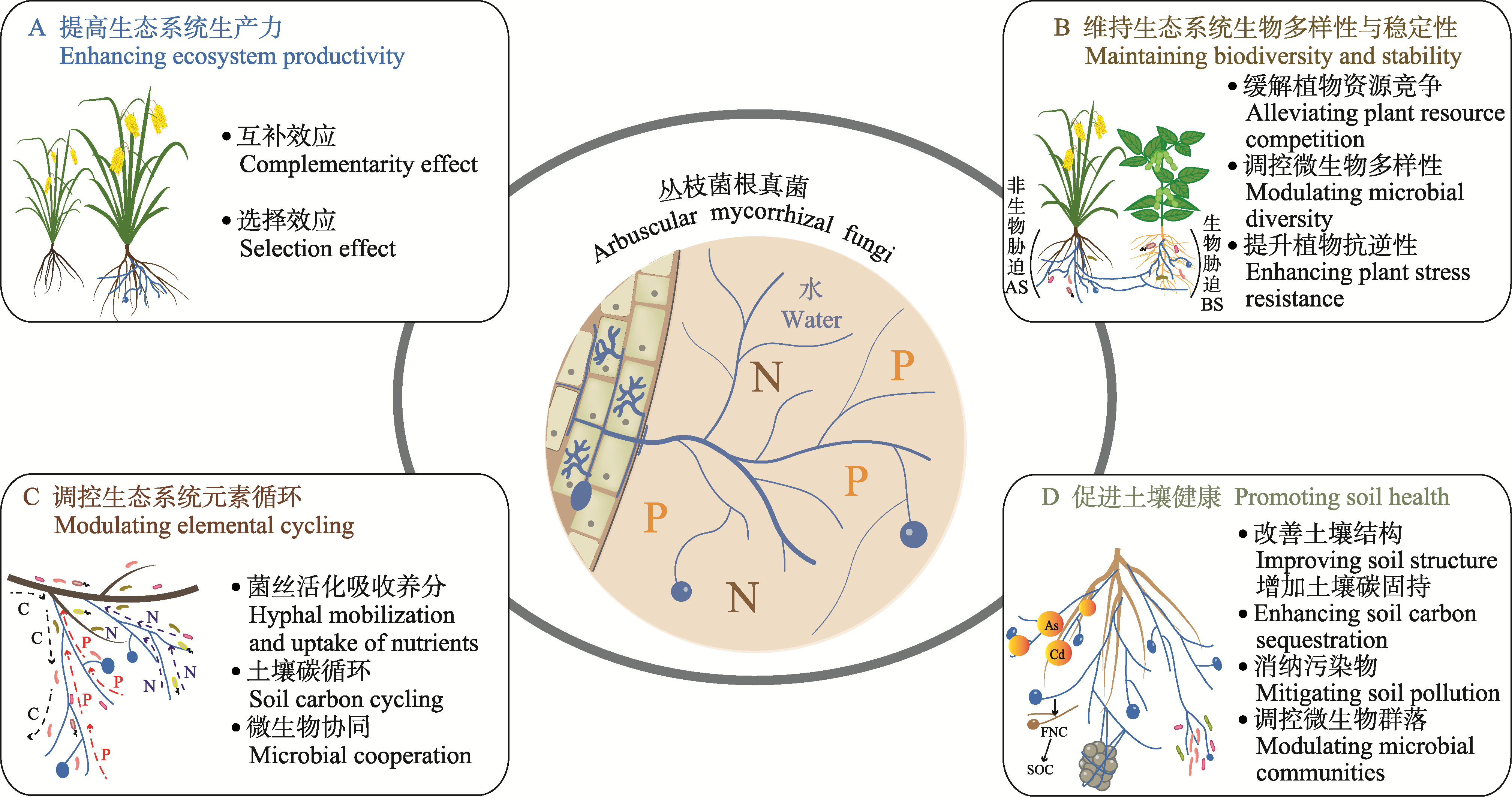
Fig. 1 Ecological functions of arbuscular mycorrhizal fungi. AS, abiotic stress; BS, biotic stress; FNC, fungal necromass carbon; SOC, soil organic carbon.
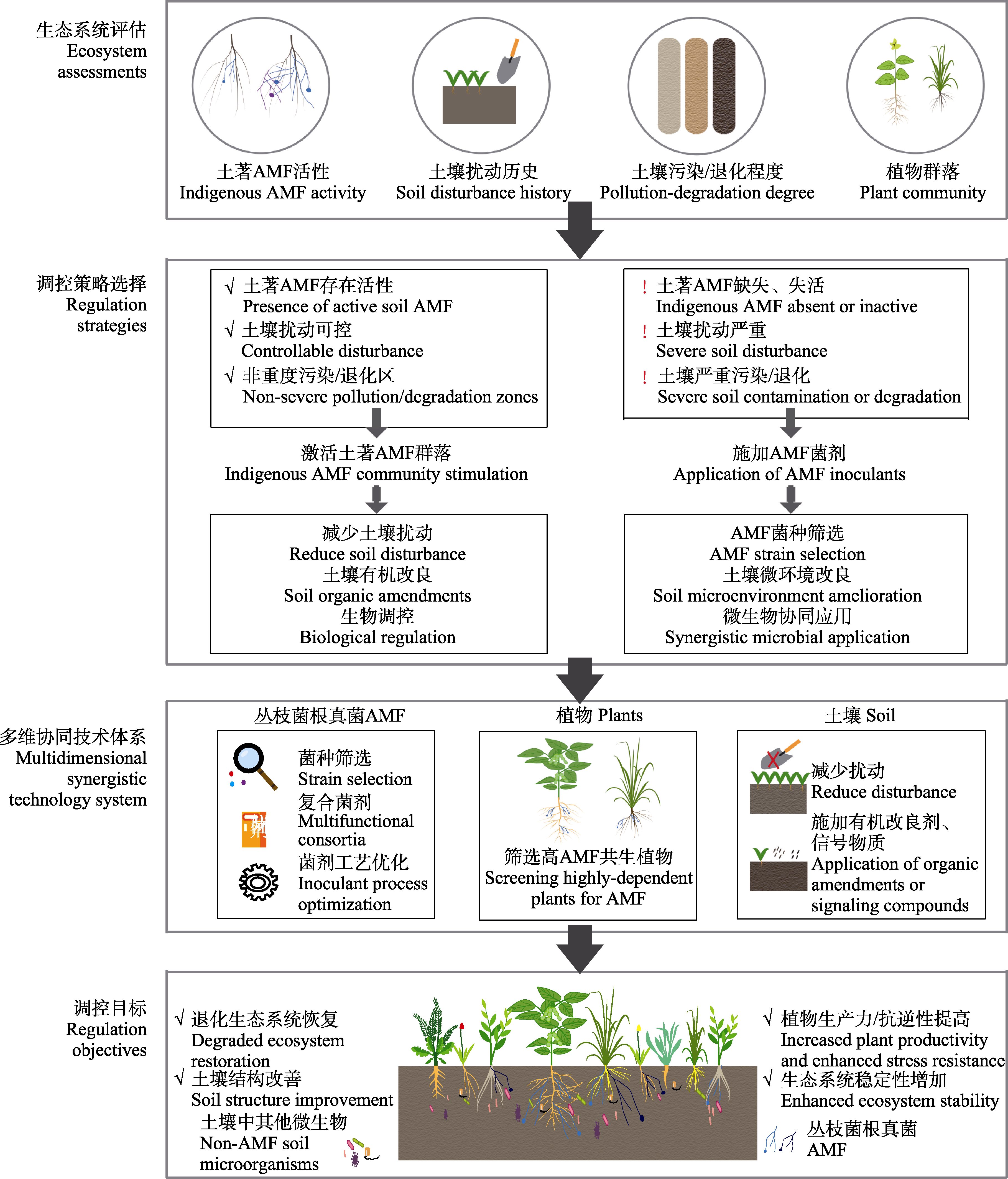
Fig. 2 Regulation strategies for arbuscular mycorrhizal fungal (AMF) communities. Prior to regulating AMF communities, ecosystem assessment is required to evaluate indigenous AMF abundance and activity, soil disturbance history, pollution/degradation status, and vegetation status. Suitable strategies are then decided based on ecosystem status and management objectives (stimulating indigenous AMF or inoculation with erogenous AMF). Finally, a multidimensional synergistic technical framework is established through AMF-plant-soil tripartite synergism to achieve targeted community regulation and ecological restoration.
| [1] |
Alptekin B, Hirsch H, Kleven B, King L, McLimans C, Daniels D, Irving T, Floss D, Ané JM (2025). From glomalin to glomalose: unraveling the molecular identity of the MAb32B11 antigen. New Phytologist, 247, 2328-2341.
DOI PMID |
| [2] | Antunes PM, Stürmer SL, Bever JD, Chagnon PL, Chaudhary VB, Deveautour C, Fahey C, Kokkoris V, Lekberg Y, Powell JR, Aguilar-Trigueros CA, Zhang HY (2025). Enhancing consistency in arbuscular mycorrhizal trait-based research to improve predictions of function. Mycorrhiza, 35, 14. DOI: 10.1007/s00572-025-01187-7. |
| [3] |
Berruti A, Lumini E, Bianciotto V (2017). AMF components from a microbial inoculum fail to colonize roots and lack soil persistence in an arable maize field. Symbiosis, 72, 73-80.
DOI URL |
| [4] |
Borriello R, Lumini E, Girlanda M, Bonfante P, Bianciotto V (2012). Effects of different management practices on arbuscular mycorrhizal fungal diversity in maize fields by a molecular approach. Biology and Fertility of Soils, 48, 911-922.
DOI URL |
| [5] |
Brito I, Goss MJ, de Carvalho M, Chatagnier O, van Tuinen D (2012). Impact of tillage system on arbuscular mycorrhiza fungal communities in the soil under Mediterranean conditions. Soil and Tillage Research, 121, 63-67.
DOI URL |
| [6] |
Brundrett MC, Tedersoo L (2018). Evolutionary history of mycorrhizal symbioses and global host plant diversity. New Phytologist, 220, 1108-1115.
DOI PMID |
| [7] | Bücking H, Liepold E, Ambilwade P (2012). The role of the mycorrhizal symbiosis in nutrient uptake of plants and the regulatory mechanisms underlying these transport processes//Dhal NK, Sahu SC. Plant Science. IntechOpen, London. |
| [8] | Calderon RB, Dangi SR (2024). Arbuscular mycorrhizal fungi and rhizobium improve nutrient uptake and microbial diversity relative to dryland site-specific soil conditions. Microorganisms, 12, 667. DOI: 10.3390/microorganisms12040667. |
| [9] |
Camenzind T, Hempel S, Homeier J, Horn S, Velescu A, Wilcke W, Rillig MC (2014). Nitrogen and phosphorus additions impact arbuscular mycorrhizal abundance and molecular diversity in a tropical montane forest. Global Change Biology, 20, 3646-3659.
DOI PMID |
| [10] |
Cameron DD, Neal AL, van Wees SCM, Ton J (2013). Mycorrhiza-induced resistance: more than the sum of its parts? Trends in Plant Science, 18, 539-545.
DOI PMID |
| [11] | Carrara JE, Heller WP (2022). Arbuscular mycorrhizal species vary in their impact on nutrient uptake in sweet corn (Zea mays) and butternut squash (Cucurbita moschata). Frontiers in Agronomy, 4, 1040054. DOI: 10.3389/fagro.2022.1040054. |
| [12] |
Chagnon PL, Bradley RL, Maherali H, Klironomos JN (2013). A trait-based framework to understand life history of mycorrhizal fungi. Trends in Plant Science, 18, 484-491.
DOI URL |
| [13] |
Chandrasekaran M, Chanratana M, Kim K, Seshadri S, Sa TM (2019). Impact of arbuscular mycorrhizal fungi on photosynthesis, water status, and gas exchange of plants under salt stress—A meta-analysis. Frontiers in Plant Science, 10, 457. DOI: 10.3389/fpls.2019.00457.
PMID |
| [14] | Chang JC, Li K, Xie JY, Zhang YX, Wang ST, Ren HY, Liu MQ (2023). Integrating native plant mixtures and arbuscular mycorrhizal fungi inoculation increases the productivity of degraded grassland. Agronomy, 13, 7. DOI: 10.3390/agronomy13010007. |
| [15] |
Chen BD, Fu W, Wu SL, Zhu YG (2024). Involvements of mycorrhizal fungi in terrestrial ecosystem carbon cycling. Chinese Journal of Plant Ecology, 48, 1-20.
DOI URL |
|
[陈保冬, 付伟, 伍松林, 朱永官 (2024). 菌根真菌在陆地生态系统碳循环中的作用. 植物生态学报, 48, 1-20.]
DOI |
|
| [16] | Chen BD, Zhang X, Wu SL, Li LF (2019). The role of arbuscular mycorrhizal fungi in heavy metal translocation, transformation and accumulation in the soil-plant continuum: underlying mechanisms and ecological implications. Rock and Mineral Analysis, 38, 1-25. |
| [陈保冬, 张莘, 伍松林, 李林凤 (2019). 丛枝菌根影响土壤-植物系统中重金属迁移转化和累积过程的机制及其生态应用. 岩矿测试, 38, 1-25.] | |
| [17] |
Chen HW, Zhang X, Wang HX, Xing SP, Yin RB, Fu W, Rillig MC, Chen BD, Zhu YG (2023). Arbuscular mycorrhizal fungi can inhibit the allocation of microplastics from crop roots to aboveground edible parts. Journal of Agricultural and Food Chemistry, 71, 18323-18332.
DOI PMID |
| [18] | Chen YL, Chen BD, Liu L, Hu YJ, Xu TL, Zhang X (2014). The role of arbuscular mycorrhizal fungi in soil nitrogen cycling. Acta Ecologica Sinica, 34, 4807-4815. |
| [陈永亮, 陈保冬, 刘蕾, 胡亚军, 徐天乐, 张莘 (2014). 丛枝菌根真菌在土壤氮素循环中的作用. 生态学报, 34, 4807-4815.] | |
| [19] |
Crosino A, Genre A (2022). Peace talks: symbiotic signaling molecules in arbuscular mycorrhizas and their potential application. Journal of Plant Interactions, 17, 824-839.
DOI URL |
| [20] |
Davison J, García de León D, Zobel M, Moora M, Bueno CG, Barceló M, Gerz M, León D, Meng YM, Pillar VD, Sepp SK, Soudzilovaskaia NA, Tedersoo L, Vaessen S, Vahter T, et al (2020). Plant functional groups associate with distinct arbuscular mycorrhizal fungal communities. New Phytologist, 226, 1117-1128.
DOI PMID |
| [21] |
Davison J, Moora M, Öpik M, Adholeya A, Ainsaar L, Bâ A, Burla S, Diedhiou AG, Hiiesalu I, Jairus T, Johnson NC, Kane A, Koorem K, Kochar M, Ndiaye C, et al. (2015). Global assessment of arbuscular mycorrhizal fungus diversity reveals very low endemism. Science, 349, 970-973.
DOI PMID |
| [22] |
El Faiz A, Duponnois R, Winterton P, Ouhammou A, Meddich A, Boularbah A, Hafidi M (2015). Effect of different amendments on growing of Canna indica L. inoculated with AMF on mining substrate. International Journal of Phytoremediation, 17, 503-513.
DOI URL |
| [23] | El Hilali R, Symanczik S, El Kinany S, Oehl F, Ouahmane L, Bouamri R (2022). Cultivation, identification, and application of arbuscular mycorrhizal fungi associated with date palm plants in Drâa-Tafilalet oasis. Rhizosphere, 22, 100521. DOI: 10.1016/j.rhisph.2022.100521. |
| [24] |
Faghihinia M, Jansa J, Halverson LJ, Staddon PL (2023). Hyphosphere microbiome of arbuscular mycorrhizal fungi: a realm of unknowns. Biology and Fertility of Soils, 59, 17-34.
DOI |
| [25] |
Fasusi OA, Amoo AE, Babalola OO (2021). Propagation and characterization of viable arbuscular mycorrhizal fungal spores within maize plant (Zea mays L.). Journal of the Science of Food and Agriculture, 101, 5834-5841.
DOI URL |
| [26] | Feng JY, Shen XQ, Chen J, Shi JC, Xu JM, Tang CX, Brookes PC, He Y (2019). Improved rhizoremediation for decabromodiphenyl ether (BDE-209) in E-waste contaminated soils. Soil Ecology Letters, 1, 157-173. |
| [27] |
Fernández-Bidondo L, Colombo RP, Recchi M, Silvani VA, Pérgola M, Martínez A, Godeas AM (2018). Detection of arbuscular mycorrhizal fungi associated with pecan (Carya illinoinensis) trees by molecular and morphological approaches. MycoKeys, 42, 73-88.
DOI URL |
| [28] |
Ferrol N, Azcón-Aguilar C, Pérez-Tienda J (2019). Review: arbuscular mycorrhizas as key players in sustainable plant phosphorus acquisition: an overview on the mechanisms involved. Plant Science, 280, 441-447.
DOI PMID |
| [29] |
Fu W, Chen BD, Rillig MC, Jansa J, Ma W, Xu C, Luo WT, Wu HH, Hao ZP, Wu H, Zhao AH, Yu Q, Han XG (2022). Community response of arbuscular mycorrhizal fungi to extreme drought in a cold-temperate grassland. New Phytologist, 234, 2003-2017.
DOI URL |
| [30] | Fu W, Niu TY, Wu SL, Hao ZP, Rillig MC, Chen BD (2025). Harnessing arbuscular mycorrhizal fungal communities for ecological restoration: a conceptual framework. Soil Biology & Biochemistry, 209, 109902. DOI: 10.1016/j.soilbio.2025.109902. |
| [31] |
Fu YZ, Ma K, Cui HZ, Li GW (2021). Effects of interspecific interactions between intercropping crops on arbuscular mycorrhizal fungi in potato rhizosphere soil in the intercropping system. Chinese Journal of Ecology, 40, 131-139.
DOI |
| [伏云珍, 马琨, 崔慧珍, 李光文 (2021). 间作作物种间相互作用对马铃薯根际土壤丛枝菌根真菌的影响. 生态学杂志, 40, 131-139.] | |
| [32] | Ghani MI, Ali A, Atif MJ, Ali M, Amin B, Cheng ZH (2022). Arbuscular mycorrhizal fungi and dry raw garlic stalk amendment alleviate continuous monocropping growth and photosynthetic declines in eggplant by bolstering its antioxidant system and accumulation of osmolytes and secondary metabolites. Frontiers in Plant Science, 13, 849521. DOI: 10.3389/fpls.2022.849521. |
| [33] |
Govindarajulu M, Pfeffer PE, Jin HR, Abubaker J, Douds DD, Allen JW, Bücking H, Lammers PJ, Shachar-Hill Y (2005). Nitrogen transfer in the arbuscular mycorrhizal symbiosis. Nature, 435, 819-823.
DOI |
| [34] | Grime JP (1979). Plant Strategies and Vegetation Processes. John Wiley and Sons, New York. |
| [35] |
Gryndler M, Larsen J, Hršelová H, Řezáčová V, Gryndlerová H, Kubát J (2006). Organic and mineral fertilization, respectively, increase and decrease the development of external mycelium of arbuscular mycorrhizal fungi in a long-term field experiment. Mycorrhiza, 16, 159-166.
DOI PMID |
| [36] | Guangdong Academy of Agricultural Sciences, Institute of Agricultural Resources and Environment(2023). Application of enhanced arbuscular mycorrhizal fungi for reducing cadmium uptake by rice in paddy fields: China, CN116171816A. 2023-05-30. |
| [广东省农业科学院农业资源与环境研究所 (2023). 一种强化丛枝菌根真菌降低稻田水稻镉吸收的应用: 中国, CN116171816A. 2023-05-30.] | |
| [37] | Guo MQ, Guo TT, Zhou JQ, Liang JY, Yang GW, Zhang YJ (2024). Restored legume acts as a “nurse” to facilitate plant compensatory growth and biomass production in mown grasslands. Agronomy for Sustainable Development, 44, 60. DOI: 10.1007/s13593-024-00994-0. |
| [38] | Hao ZP, Xie W, Chen BD (2022). Application of arbuscular mycorrhizal fungi in agriculture: research progress and challenges. Science & Technology Review, 40, 87-98. |
|
[郝志鹏, 谢伟, 陈保冬 (2022). 丛枝菌根真菌在农业中的应用: 研究进展与挑战. 科技导报, 40, 87-98.]
DOI |
|
| [39] |
Hart MM, Antunes PM, Chaudhary VB, Abbott LK (2018). Fungal inoculants in the field: Is the reward greater than the risk? Functional Ecology, 32, 126-135.
DOI URL |
| [40] | He GH, Shen Y, Wang ZX, Lu JM, Sun B, Chen Y (2024). Multiple fertilization model controls arbuscular mycorrhizal fungi to promote maize phosphorus absorption. Acta Pedologica Sinica, 61, 573-582. |
| [何港辉, 沈一, 王梓轩, 卢居勐, 孙波, 陈晏 (2024). 多样化培肥模式调控丛枝菌根真菌促进玉米磷素吸收. 土壤学报, 61, 573-582.] | |
| [41] |
Hiiesalu I, Pärtel M, Davison J, Gerhold P, Metsis M, Moora M, Öpik M, Vasar M, Zobel M, Wilson SD (2014). Species richness of arbuscular mycorrhizal fungi: associations with grassland plant richness and biomass. New Phytologist, 203, 233-244.
DOI PMID |
| [42] |
Horsch CCA, Antunes PM, Fahey C, Grandy AS, Kallenbach CM (2023). Trait-based assembly of arbuscular mycorrhizal fungal communities determines soil carbon formation and retention. New Phytologist, 239, 311-324.
DOI URL |
| [43] | Hou H, Yan PX, Xie QM, Zhao HL, Pang DB, Chen L, Li XB, Hu Y, Liang YL, Ni XL (2023). Characterization of arbuscular mycorrhizal fungal community diversity in the rhizosphere soils of Prunus mongolica scrub of Helan Mountain. Ecology and Environmental Sciences, 32, 857-865. |
|
[侯晖, 颜培轩, 谢沁宓, 赵宏亮, 庞丹波, 陈林, 李学斌, 胡杨, 梁咏亮, 倪细炉 (2023). 贺兰山蒙古扁桃灌丛根际土壤AM真菌群落多样性特征研究. 生态环境学报, 32, 857-865.]
DOI |
|
| [44] |
Irving TB, Alptekin B, Kleven B, Ané JM (2021). A critical review of 25 years of glomalin research: a better mechanical understanding and robust quantification techniques are required. New Phytologist, 232, 1572-1581.
DOI PMID |
| [45] |
Isobe K, Higo M, Kondo T, Sato N, Takeyama S, Torigoe Y (2014). Effect of winter crop species on arbuscular mycorrhizal fungal colonization and subsequent soybean yields. Plant Production Science, 17, 260-267.
DOI URL |
| [46] |
Jansa J, Mozafar A, Kuhn G, Anken T, Ruh R, Sanders IR, Frossard E (2003). Soil tillage affects the community structure of mycorrhizal fungi in maize roots. Ecological Applications, 13, 1164-1176.
DOI URL |
| [47] | Jiang FY, Zhang L, Zhou JC, George TS, Feng G (2021). Arbuscular mycorrhizal fungi enhance mineralisation of organic phosphorus by carrying bacteria along their extraradical hyphae. New Phytologist, 230, 304-315. |
| [48] |
Joner EJ, Johansen A, Loibner AP, dela Cruz MA, Szolar OHJ, Portal JM, Leyval C (2001). Rhizosphere effects on microbial community structure and dissipation and toxicity of polycyclic aromatic hydrocarbons (PAHs) in spiked soil. Environmental Science & Technology, 35, 2773-2777.
DOI URL |
| [49] |
Kakouridis A, Hagen JA, Kan MP, Mambelli S, Feldman LJ, Herman DJ, Weber PK, Pett-Ridge J, Firestone MK (2022). Routes to roots: direct evidence of water transport by arbuscular mycorrhizal fungi to host plants. New Phytologist, 236, 210-221.
DOI URL |
| [50] | Karst J, Jones MD, Hoeksema JD (2023). Positive citation bias and overinterpreted results lead to misinformation on common mycorrhizal networks in forests. Nature Ecology & Evolution, 7, 501-511. |
| [51] | Khan MA, Mahmood-ur-Rahman, Ramzani PMA, Zubair M, Rasool B, Khan MK, Ahmed A, Khan SA, Turan V, Iqbal M (2020). Associative effects of lignin-derived biochar and arbuscular mycorrhizal fungi applied to soil polluted from Pb-acid batteries effluents on barley grain safety. Science of the Total Environment, 710, 136294. DOI: 10.1016/j.scitotenv.2019.136294. |
| [52] | Khan Y, Shah S, Hui T (2022). The roles of arbuscular mycorrhizal fungi in influencing plant nutrients, photosynthesis, and metabolites of cereal crops—A review. Agronomy, 12, 2191. DOI: 10.3390/agronomy12092191. |
| [53] |
Lahrach Z, Legeay J, Ahmed B, Hijri M (2024). The composition of the arbuscular mycorrhizal fungal bacteriome is species dependent. Environmental Microbiome, 19, 77. DOI: 10.1186/s40793-024-00623-z.
PMID |
| [54] |
Larsen J, Cornejo P, Barea JM (2009). Interactions between the arbuscular mycorrhizal fungus Glomus intraradices and the plant growth promoting rhizobacteria Paenibacillus polymyxa and P. macerans in the mycorrhizosphere of Cucumis sativus. Soil Biology & Biochemistry, 41, 286-292.
DOI URL |
| [55] |
Leifheit EF, Verbruggen E, Rillig MC (2015). Arbuscular mycorrhizal fungi reduce decomposition of woody plant litter while increasing soil aggregation. Soil Biology & Biochemistry, 81, 323-328.
DOI URL |
| [56] | Li JQ, Meng B, Yang XC, Cui N, Zhao TH, Chai H, Zhang T, Sun W (2022a). Suppression of AMF accelerates N2O emission by altering soil bacterial community and genes abundance under varied precipitation conditions in a semiarid grassland. Frontiers in Microbiology, 13, 961969. DOI: 10.3389/fmicb.2022.961969. |
| [57] |
Li SP, Bi YL, Kong WP, Wang J, Yu HY (2013). Effects of the arbuscular mycorrhizal fungi on environmental phytoremediation in coal mine areas. Environmental Science, 34, 4455-4459.
DOI URL |
| [李少朋, 毕银丽, 孔维平, 王瑾, 余海洋 (2013). 丛枝菌根真菌在矿区生态环境修复中应用及其作用效果. 环境科学, 34, 4455-4459.] | |
| [58] |
Li T, Chen BD (2012). Arbuscular mycorrhizal fungi improving drought tolerance of maize plants by up-regulation of aquaporin gene expressions in roots and the fungi themselves. Chinese Journal of Plant Ecology, 36, 973-981.
DOI |
| [李涛, 陈保冬 (2012). 丛枝菌根真菌通过上调根系及自身水孔蛋白基因表达提高玉米抗旱性. 植物生态学报, 36, 973-981.] | |
| [59] | Li T, Hu YJ, Hao ZP, Li H, Wang YS, Chen BD (2013). First cloning and characterization of two functional aquaporin genes from an arbuscular mycorrhizal fungus Glomus intraradices. New Phytologist, 197, 617-630. |
| [60] |
Li X, Li TX, Zhong L, Guo J, Yu MJ, Liu JL (2023). Species diversity of arbuscular mycorrhizal but not ectomycorrhizal plants decreases with habitat loss due to environmental filtering. Plant and Soil, 489, 211-224.
DOI |
| [61] | Li XX (2023). Effects of Different Improvement Methods on the Structure and Composition of Grassland Arbuscular Mycorrhizal Fungal Communities. Master degree dissertation, Sichuan Agricultural University, Ya’an, Sichuan. |
| [李旭旭 (2023). 不同改良方式对草地丛枝菌根真菌群落结构与组成的影响. 硕士学位论文, 四川农业大学, 四川雅安.] | |
| [62] | Li Z, Wu SL, Liu YJ, Yi Q, You F, Ma YY, Thomsen L, Chan TS, Lu YR, Hall M, Saha N, Huang YF, Huang LB (2022b). Arbuscular mycorrhizal symbiosis enhances water stable aggregate formation and organic matter stabilization in Fe ore tailings. Geoderma, 406, 115528. DOI: 10.1016/j.geoderma.2021.115528. |
| [63] | Liu HF, Wu Y, Xu HW, Ai ZM, Zhang JY, Liu GB, Xue S (2021). N enrichment affects the arbuscular mycorrhizal fungi-mediated relationship between a C4 grass and a legume. Plant Physiology, 187, 1519-1533. |
| [64] | Liu SJ, Xu J, Du Y, Tang JJ, Chen X (2025). Effects of arbuscular mycorrhizal fungi on the current generation and offspring of host plant Medicago truncatula under low-P environment. BMC Plant Biology, 25, 681. DOI: 10.1186/s12870-025-06730-4. |
| [65] | Ma K, Wang YC, Jin X, Zhao YG, Yan HL, Zhang HJ, Zhou XL, Lu GX, Deng Y (2022). Application of organic fertilizer changes the rhizosphere microbial communities of a gramineous grass on Qinghai-Tibet Plateau. Microorganisms, 10, 1148. DOI: 10.3390/microorganisms10061148. |
| [66] |
Maherali H, Klironomos JN (2007). Influence of phylogeny on fungal community assembly and ecosystem functioning. Science, 316, 1746-1748.
DOI PMID |
| [67] |
Maillet F, Poinsot V, André O, Puech-Pagès V, Haouy A, Gueunier M, Cromer L, Giraudet D, Formey D, Niebel A, Martinez EA, Driguez H, Bécard G, Dénarié J (2011). Fungal lipochitooligosaccharide symbiotic signals in arbuscular mycorrhiza. Nature, 469, 58-63.
DOI |
| [68] |
Malik AA, Martiny JBH, Brodie EL, Martiny AC, Treseder KK, Allison SD (2020). Defining trait-based microbial strategies with consequences for soil carbon cycling under climate change. The ISME Journal, 14, 1-9.
DOI URL |
| [69] |
Marro N, Grilli G, Soteras F, Caccia M, Longo S, Cofré N, Borda V, Burni M, Janoušková M, Urcelay C (2022). The effects of arbuscular mycorrhizal fungal species and taxonomic groups on stressed and unstressed plants: a global meta-analysis. New Phytologist, 235, 320-332.
DOI PMID |
| [70] |
McArthur DAJ, Knowles NR (1992). Resistance responses of potato to vesicular-arbuscular mycorrhizal fungi under varying abiotic phosphorus levels. Plant Physiology, 100, 341-351.
DOI PMID |
| [71] |
Moreira H, Pereira SIA, Marques APGC, Rangel AOSS, Castro PML (2016). Mine land valorization through energy maize production enhanced by the application of plant growth-promoting rhizobacteria and arbuscular mycorrhizal fungi. Environmental Science and Pollution Research, 23, 6940-6950.
DOI URL |
| [72] |
Morimoto S, Uchida T, Matsunami H, Kobayashi H (2018). Effect of winter wheat cover cropping with no-till cultivation on the community structure of arbuscular mycorrhizal fungi colonizing the subsequent soybean. Soil Science and Plant Nutrition, 64, 545-553.
DOI URL |
| [73] |
Moulin S (2022). Get connected to the fungal network for improved transfer of nitrogen: the role of ZmAMT3; 1 in ammonium transport in maize-arbuscular mycorrhizal symbiosis. The Plant Cell, 34, 3509-3511.
DOI URL |
| [74] |
Oldroyd GED (2013). Speak, friend, and enter: signalling systems that promote beneficial symbiotic associations in plants. Nature Reviews Microbiology, 11, 252-263.
DOI PMID |
| [75] | Qiang W, Gunina A, Kuzyakov Y, He LL, Zhang Y, Liu B, Pang XY (2023). Contributions of mycorrhizal fungi to soil aggregate formation during subalpine forest succession. Catena, 221, 106800. DOI: 10.1016/j.catena.2022.106800. |
| [76] | Qiao YG, Bai YX, She WW, Liu L, Miao C, Zhu GN, Qin SG, Zhang YQ (2022). Arbuscular mycorrhizal fungi outcompete fine roots in determining soil multifunctionality and microbial diversity in a desert ecosystem. Applied Soil Ecology, 171, 104323. DOI: 10.1016/j.apsoil.2021.104323. |
| [77] | Qin YQ, Zhang W, Feng ZW, Feng GD, Zhu HH, Yao Q (2022). Arbuscular mycorrhizal fungus differentially regulates P mobilizing bacterial community and abundance in rhizosphere and hyphosphere. Applied Soil Ecology, 170, 104294. DOI: 10.1016/j.apsoil.2021.104294. |
| [78] | Qin ZF, Xie MX, Zhang YL, Li X, Li HG, Zhang JL (2023). Research progress in soil organic carbon stabilization mediated by arbuscular mycorrhizal fungi. Journal of Plant Nutrition and Fertilizers, 29, 756-766. |
| [秦泽峰, 谢沐希, 张运龙, 李侠, 李海港, 张俊伶 (2023). 丛枝菌根真菌介导的土壤有机碳稳定机制研究进展. 植物营养与肥料学报, 29, 756-766.] | |
| [79] |
Qiu L, Bi YL, Jiang B, Wang ZG, Zhang YX, Zhakypbek Y (2019). Arbuscular mycorrhizal fungi ameliorate the chemical properties and enzyme activities of rhizosphere soil in reclaimed mining subsidence in northwestern China. Journal of Arid Land, 11, 135-147.
DOI |
| [80] |
Richter F, Calonne-Salmon M, van der Heijden MGA, Declerck S, Stanley CE (2024). AMF-SporeChip provides new insights into arbuscular mycorrhizal fungal asymbiotic hyphal growth dynamics at the cellular level. Lab on a Chip, 24, 1930-1946.
DOI PMID |
| [81] |
Rillig MC, Lehmann A, Lanfranco L, Caruso T, Johnson D (2025). Clarifying the definition of common mycorrhizal networks. Functional Ecology, 39, 1411-1417.
DOI URL |
| [82] | Ruan SQ, Tao G, Lou X, Zhao XL (2022). The ecological functions of arbuscular mycorrhizal fungi and their interaction mechanisms with the symbiotic plants. Soil and Fertilizer Sciences in China, 5, 237-244. |
| [阮仕琴, 陶刚, 娄璇, 赵兴丽 (2022). 丛枝菌根真菌生态功能及其与共生植物互作机理. 中国土壤与肥料, 5, 237-244.] | |
| [83] | Rui WJ, Mao ZP, Li ZF (2022). The roles of phosphorus and nitrogen nutrient transporters in the arbuscular mycorrhizal symbiosis. International Journal of Molecular Sciences, 23, 11027. DOI: 10.3390/ijms231911027. |
| [84] |
Ruiz-Lozano JM, Porcel R, Azcón C, Aroca R (2012). Regulation by arbuscular mycorrhizae of the integrated physiological response to salinity in plants: new challenges in physiological and molecular studies. Journal of Experimental Botany, 63, 4033-4044.
DOI PMID |
| [85] |
Schnoor TK, Lekberg Y, Rosendahl S, Olsson PA (2011). Mechanical soil disturbance as a determinant of arbuscular mycorrhizal fungal communities in semi-natural grassland. Mycorrhiza, 21, 211-220.
DOI PMID |
| [86] | Schütz L, Saharan K, Mäder P, Boller T, Mathimaran N (2022). Rate of hyphal spread of arbuscular mycorrhizal fungi from pigeon pea to finger millet and their contribution to plant growth and nutrient uptake in experimental microcosms. Applied Soil Ecology, 169, 104156. DOI: 10.1016/j.apsoil.2021.104156. |
| [87] |
Shi H, Lu CC, Wu YS, Wang L, Cai BY (2024). AMF inhibit the production of phenolic acid autotoxins at the seed-filling stage in soybeans with continuous monocropping. BMC Plant Biology, 24, 732. DOI: 10.1186/s12870-024-05330-y.
PMID |
| [88] |
Silvani VA, Fernández-Bidondo L, Bompadre MJ, Colombo RP, Pérgola M, Bompadre A, Fracchia S, Godeas A (2014). Growth dynamics of geographically different arbuscular mycorrhizal fungal isolates belonging to the “rhizophagus clade” under monoxenic conditions. Mycologia, 106, 963-975.
DOI PMID |
| [89] | Simard SW, Ryan TSL, Perry DA (2025). Response to questions about common mycorrhizal networks. Frontiers in Forests and Global Change, 7, 1512518. DOI: 10.3389/ffgc.2024.1512518. |
| [90] |
Slimani A, Oufdou K, Meddich A (2023). Intercropping with alfalfa and co-inoculation of AMF and PGPR improve growth, yield, grain bioactive quality, and soil fertility of barley. Archives of Agronomy and Soil Science, 69, 3469-3483.
DOI URL |
| [91] |
Smith SE, Jakobsen I, Grønlund M, Smith FA (2011). Roles of arbuscular mycorrhizas in plant phosphorus nutrition: interactions between pathways of phosphorus uptake in arbuscular mycorrhizal roots have important implications for understanding and manipulating plant phosphorus acquisition. Plant Physiology, 156, 1050-1057.
DOI PMID |
| [92] | Smith SE, Read DJ (2008). Mycorrhizal Symbiosis. 3rd ed. Academic Press, London. |
| [93] |
Smith SE, Smith FA (2011). Roles of arbuscular mycorrhizas in plant nutrition and growth: new paradigms from cellular to ecosystem scales. Annual Review of Plant Biology, 62, 227-250.
DOI PMID |
| [94] |
Soretire AA, Adeyemi NO, Atayese MO, Sakariyawo OS, Adewunmi A (2020). Nodulation and biological nitrogen fixation in soybean (Glycine max L.) as influenced by phosphorus fertilization and arbuscular mycorrhizal inoculation. Acta Universitatis Sapientiae, Agriculture and Environment, 12, 22-44.
DOI URL |
| [95] |
Szada-Borzyszkowska A, Krzyżak J, Rusinowski S, Starzewska-Sikorska A, Ratman-Kłosińska I, Pogrzeba M (2022). The effect of amendments on Lolium perenne roots arbuscular mycorrhizal fungi colonization when cultivated in contaminated soil. International Journal of Environmental Science and Technology, 19, 9365-9376.
DOI |
| [96] |
Tan XH, Wang DP, Zhang XW, Zheng S, Jia XJ, Liu H, Liu ZL, Yang H, Dai HL, Chen X, Qian ZX, Wang R, Ma ML, Zhang P, Yu N, et al (2025). A pair of LysM receptors mediates symbiosis and immunity discrimination in Marchantia. Cell, 188, 1330-1348.
DOI URL |
| [97] | Tian L, Shi SH, Zhang JF, Gao Q, Tian CJ (2017). Effects of long-term fertilization and straw return on diversity indices of AMF and bacteria in maize rhizosphere. Soils and Crops, 6, 291-297. |
| [田磊, 石少华, 张建峰, 高强, 田春杰 (2017). 长期化肥施用与秸秆还田对玉米根部相关AMF和细菌的群落结构多样性的影响. 土壤与作物, 6, 291-297.] | |
| [98] |
Tilman D, Downing JA (1994). Biodiversity and stability in grasslands. Nature, 367, 363-365.
DOI |
| [99] |
Toljander JF, Lindahl BD, Paul LR, Elfstrand M, Finlay RD (2007). Influence of arbuscular mycorrhizal mycelial exudates on soil bacterial growth and community structure. FEMS Microbiology Ecology, 61, 295-304.
DOI PMID |
| [100] |
van der Heijden MGA, Klironomos JN, Ursic M, Moutoglis P, Streitwolf-Engel R, Boller T, Wiemken A, Sanders IR (1998). Mycorrhizal fungal diversity determines plant biodiversity, ecosystem variability and productivity. Nature, 396, 69-72.
DOI |
| [101] |
van Nuland ME, Averill C, Stewart JD, Prylutskyi O, Corrales A, van Galen LG, Manley BF, Qin C, Lauber T, Mikryukov V, Dulia O, Furci G, Marín C, Sheldrake M, Weedon JT, et al. (2025). Global hotspots of mycorrhizal fungal richness are poorly protected. Nature, 645, 414-422.
DOI |
| [102] | Vázquez E, Benito M, Espejo R, Teutscherova N (2020). No-tillage and liming increase the root mycorrhizal colonization, plant biomass and N content of a mixed oat and vetch crop. Soil and Tillage Research, 200, 104623. DOI: 10.1016/j.still.2020.104623. |
| [103] |
Veresoglou SD, Chen BD, Rillig MC (2012a). Arbuscular mycorrhiza and soil nitrogen cycling. Soil Biology & Biochemistry, 46, 53-62.
DOI URL |
| [104] |
Veresoglou SD, Shaw LJ, Hooker JE, Sen R (2012b). Arbuscular mycorrhizal modulation of diazotrophic and denitrifying microbial communities in the (mycor)rhizosphere of Plantago lanceolata. Soil Biology & Biochemistry, 53, 78-81.
DOI URL |
| [105] |
Vogelsang KM, Reynolds HL, Bever JD (2006). Mycorrhizal fungal identity and richness determine the diversity and productivity of a tallgrass prairie system. New Phytologist, 172, 554-562.
PMID |
| [106] |
Wagg C, Bender SF, Widmer F, van der Heijden MGA (2014). Soil biodiversity and soil community composition determine ecosystem multifunctionality. Proceedings of the National Academy of Sciences of the United States of America, 111, 5266-5270.
DOI PMID |
| [107] |
Wagg C, Jansa J, Schmid B, van der Heijden MGA (2011a). Belowground biodiversity effects of plant symbionts support aboveground productivity. Ecology Letters, 14, 1001-1009.
DOI URL |
| [108] |
Wagg C, Jansa J, Stadler M, Schmid B, van der Heijden MGA (2011b). Mycorrhizal fungal identity and diversity relaxes plant-plant competition. Ecology, 92, 1303-1313.
DOI URL |
| [109] | Wahab A, Muhammad M, Munir A, Abdi G, Zaman W, Ayaz A, Khizar C, Reddy SPP (2023). Role of arbuscular mycorrhizal fungi in regulating growth, enhancing productivity, and potentially influencing ecosystems under abiotic and biotic stresses. Plants, 12, 3102. DOI: 10.3390/plants12173102. |
| [110] | Wang C, Tian BL, Yu ZZ, Ding JQ (2020). Effect of different combinations of phosphorus and nitrogen fertilization on arbuscular mycorrhizal fungi and aphids in wheat. Insects, 11, 365. DOI: 10.3390/insects11060365. |
| [111] |
Wang GW, Jin ZX, George TS, Feng G, Zhang L (2023a). Arbuscular mycorrhizal fungi enhance plant phosphorus uptake through stimulating hyphosphere soil microbiome functional profiles for phosphorus turnover. New Phytologist, 238, 2578-2593.
DOI URL |
| [112] | Wang HR, Du XR, Zhang ZY, Feng FJ, Zhang JM (2023b). Rhizosphere interface microbiome reassembly by arbuscular mycorrhizal fungi weakens cadmium migration dynamics. iMeta, 2, e133. DOI: 10.1002/imt2.133. |
| [113] | Wang HX, Hao ZP, Zhang X, Xie W, Chen BD (2022). Arbuscular mycorrhizal fungi induced plant resistance against Fusarium wilt in jasmonate biosynthesis defective mutant and wild type of tomato. Journal of Fungi, 8, 422. DOI: 10.3390/jof8050422. |
| [114] | Wang PF, Liu XY, Zheng YX, Qu HT, Li JP, Wang RP, Ji Y, Xu D, Ding FC, Zhang P, Liu HJ, Bao YY (2025). Species interactions mediate arbuscular mycorrhizal fungi successional dynamics and glomalin-related soil protein accumulation in volcanic ecosystems. Applied Soil Ecology, 213, 106236. DOI: 10.1016/j.apsoil.2025.106236. |
| [115] | Wang WX, Shi JC, Xie QJ, Jiang YN, Yu N, Wang ET (2017). Nutrient exchange and regulation in arbuscular mycorrhizal symbiosis. Molecular Plant, 10, 1147-1158. |
| [116] | Wang XL, Feng H, Wang YY, Wang MX, Xie XG, Chang HZ, Wang LK, Qu JC, Sun K, He W, Wang CY, Dai CC, Chu ZH, Tian CF, Yu N, et al. (2021). Mycorrhizal symbiosis modulates the rhizosphere microbiota to promote rhizobia-legume symbiosis. Molecular Plant, 14, 503-516. |
| [117] | Weber SE, Bascompte J, Kahmen A, Niklaus PA (2024). Plant choice between arbuscular mycorrhizal fungal species results in increased plant P acquisition. PLoS ONE, 19, e0292811. DOI: 10.1371/journal.pone.0292811. |
| [118] |
Weber SE, Bascompte J, Kahmen A, Niklaus PA (2025). AMF diversity promotes plant community phosphorus acquisition and reduces carbon costs per unit of phosphorus. New Phytologist, 248, 886-896.
DOI PMID |
| [119] | Wen YQ, Wu RT, Qi DD, Xu TL, Chang W, Li K, Fang XX, Song FQ (2024). The effect of AMF combined with biochar on plant growth and soil quality under saline-alkali stress: insights from microbial community analysis. Ecotoxicology and Environmental Safety, 281, 116592. DOI: 10.1016/j.ecoenv.2024.116592. |
| [120] | Weng WF, Yan J, Zhou ML, Yao X, Gao AN, Ma C, Cheng JP, Ruan JJ (2022). Roles of arbuscular mycorrhizal fungi as a biocontrol agent in the control of plant diseases. Microorganisms, 10, 1266. DOI: 10.3390/microorganisms10071266. |
| [121] |
Wetzel K, Silva G, Matczinski U, Oehl F, Fester T (2014). Superior differentiation of arbuscular mycorrhizal fungal communities from till and no-till plots by morphological spore identification when compared to T-RFLP. Soil Biology & Biochemistry, 72, 88-96.
DOI URL |
| [122] |
Wright SF, Upadhyaya A (1998). A survey of soils for aggregate stability and glomalin, a glycoprotein produced by hyphae of arbuscular mycorrhizal fungi. Plant and Soil, 198, 97-107.
DOI |
| [123] |
Wu H, Yang JJ, Fu W, Rillig MC, Cao ZJ, Zhao AH, Hao ZP, Zhang X, Chen BD, Han XG (2023). Identifying thresholds of nitrogen enrichment for substantial shifts in arbuscular mycorrhizal fungal community metrics in a temperate grassland of northern China. New Phytologist, 237, 279-294.
DOI URL |
| [124] |
Wu SL, Fu W, Rillig MC, Chen BD, Zhu YG, Huang LB (2024). Soil organic matter dynamics mediated by arbuscular mycorrhizal fungi—An updated conceptual framework. New Phytologist, 242, 1417-1425.
DOI URL |
| [125] |
Wu SL, Zhang X, Chen BD, Wu ZX, Li T, Hu YJ, Sun YQ, Wang YS (2016a). Chromium immobilization by extraradical mycelium of arbuscular mycorrhiza contributes to plant chromium tolerance. Environmental and Experimental Botany, 122, 10-18.
DOI URL |
| [126] |
Wu SL, Zhang X, Sun YQ, Wu ZX, Li T, Hu YJ, Lv JT, Li G, Zhang ZS, Zhang J, Zheng LR, Zhen XJ, Chen BD (2016b). Chromium immobilization by extra- and intraradical fungal structures of arbuscular mycorrhizal symbioses. Journal of Hazardous Materials, 316, 34-42.
DOI URL |
| [127] |
Xie T, Jia PC, Lin YW, Li XR (2025). Warming modulates soil multifunctionality through assembly processes and co-occurrence patterns of arbuscular mycorrhizal fungal communities in drylands. Functional Ecology, 39, 2251-2267.
DOI URL |
| [128] | Xu HK, Shi YC, Chen C, Pang Z, Zhang GF, Zhang WW, Kan HM (2024). Arbuscular mycorrhizal fungi selectively promoted the growth of three ecological restoration plants. Plants, 13, 1678. DOI: 10.3390/plants13121678. |
| [129] | Yang HS, Xiong YQ, Wang Q, Guo Y, Dai YJ, Xu MM (2016). Arbuscular mycorrhizal fungal species diversity: ecological functioning, determinants and assembling mechanisms. Acta Ecologica Sinica, 36, 2826-2832. |
| [杨海水, 熊艳琴, 王琪, 郭伊, 戴亚军, 许明敏 (2016). AM真菌物种多样性: 生态功能、影响因素及维持机制. 生态学报, 36, 2826-2832.] | |
| [130] |
Yang YR, Liang Y, Ghosh A, Song YY, Chen H, Tang M (2015). Assessment of arbuscular mycorrhizal fungi status and heavy metal accumulation characteristics of tree species in a lead-zinc mine area: potential applications for phytoremediation. Environmental Science and Pollution Research, 22, 13179-13193.
DOI URL |
| [131] | Yang YR, Liang Y, Han XZ, Chiu TY, Ghosh A, Chen H, Tang M (2016). The roles of arbuscular mycorrhizal fungi (AMF) in phytoremediation and tree-herb interactions in Pb contaminated soil. Scientific Reports, 6, 20469. DOI: 10.1038/srep20469. |
| [132] | Yang YR, Luo WB, Xu JZ, Guan PT, Chang L, Wu XF, Wu DH (2022). Fallow land enhances carbon sequestration in glomalin and soil aggregates through regulating diversity and network complexity of arbuscular mycorrhizal fungi under climate change in relatively high-latitude regions. Frontiers in Microbiology, 13, 930622. DOI: 10.3389/fmicb.2022.930622. |
| [133] |
Yao XY, Hui DF, Hou EQ, Xiong JF, Xing S, Deng Q (2023). Differential responses and mechanistic controls of soil phosphorus transformation in Eucalyptus plantations with N fertilization and introduced N2-fixing tree species. New Phytologist, 237, 2039-2053.
DOI URL |
| [134] | Zhang CZ, Xiang XJ, Yang T, Liu X, Ma YY, Zhang KP, Liu XJ, Chu HY (2024a). Nitrogen fertilization reduces plant diversity by changing the diversity and stability of arbuscular mycorrhizal fungal community in a temperate steppe. Science of the Total Environment, 918, 170775. DOI: 10.1016/j.scitotenv.2024.170775. |
| [135] |
Zhang L, Feng G, Declerck S (2018). Signal beyond nutrient, fructose, exuded by an arbuscular mycorrhizal fungus triggers phytate mineralization by a phosphate solubilizing bacterium. The ISME Journal, 12, 2339-2351.
DOI URL |
| [136] | Zhang L, Zhou JC, George TS, Limpens E, Feng G (2022a). Arbuscular mycorrhizal fungi conducting the hyphosphere bacterial orchestra. Trends in Plant Science, 27, 402-411. |
| [137] |
Zhang S, Meng LB, Hou J, Liu XD, Ogundeji AO, Cheng ZY, Yin TJ, Clarke N, Hu BZ, Li SM (2022b). Maize/soybean intercropping improves stability of soil aggregates driven by arbuscular mycorrhizal fungi in a black soil of Northeast China. Plant and Soil, 481, 63-82.
DOI |
| [138] |
Zhang T, Feng G (2021). Arbuscular mycorrhizal fungi alleviate the negative effects of increases in phosphorus (P) resource diversity on plant community structure by improving P resource utilization. Plant and Soil, 461, 295-307.
DOI |
| [139] |
Zhang T, Sun Y, Shi ZY, Feng G (2012). Arbuscular mycorrhizal fungi can accelerate the restoration of degraded spring grassland in central Asia. Rangeland Ecology & Management, 65, 426-432.
DOI URL |
| [140] |
Zhang XJ, Bo YS, Jiang LC, Wang J, Yu LF, Fu W, He XL, Dong XN, Jiang Y, Han XG, Zhang HY (2025). Mycelium biomass and community composition impact nutrient concentration in arbuscular mycorrhizal fungi at fine spatial scale. Functional Ecology, 39, 1455-1468.
DOI URL |
| [141] |
Zhang Y, Dong LB, Shangguan ZP (2023). Appropriate N addition improves soil aggregate stability through AMF and glomalin-related soil proteins in a semiarid agroecosystem. Land Degradation & Development, 34, 710-722.
DOI URL |
| [142] | Zhang ZC, Zhou ZH, Feng SC, Guo PR, Wang YC, Hao BH, Guo W, Li FY (2024b). Synergistic effects of AMF and PGPR on improving saline-alkaline tolerance of Leymus chinensis by strengthening the link between rhizosphere metabolites and microbiomes. Environmental Technology & Innovation, 36, 103900. DOI: 10.1016/j.eti.2024.103900. |
| [143] | Zhou JQ, Gong JC, Liu S, Cobb AB, Yang GW, Li XJ, Sun FD, Peng Y, Yan YH, Liu L, Zhang XQ (2024a). AM fungi reduce grass-legume competition by increasing nutrient access. Plant and Soil, 494, 127-147. |
| [144] | Zhou JQ, Su YY, Li XJ, Kuzyakov Y, Wang PS, Gong JC, Li XX, Liu L, Zhang XQ, Ma CY, Ma X, Huang T, Bai YF, Sun FD (2024b). Arbuscular mycorrhizae mitigate negative impacts of soil biodiversity loss on grassland productivity. Journal of Environmental Management, 349, 119509. DOI: 10.1016/j.jenvman.2023.119509. |
| [145] |
Zhou JQ, Wang PS, Li XJ, Wei L, Kuzyakov Y, Su YY, Zhang JG, Huang N, Liu L, Zhang XQ, Ma CY, Ma X, Huang T, Sun FD (2025). Mycorrhizal growth and resource exchange define plant’s coexistence. Plant and Soil, 510, 259-273.
DOI |
| [146] |
Zhu YG, Miller RM (2003). Carbon cycling by arbuscular mycorrhizal fungi in soil-plant systems. Trends in Plant Science, 8, 407-409.
DOI URL |
| [1] | WEI Li, WANG Peng-Sen, LIU Shan, FAN Rui, HUANG Nan, ZHANG Jian-Guo, Qimeilamu , GOU Yang, LIU Mo-Han, HUANG Ting, ZHOU Ji-Qiong. Arbuscular mycorrhizal fungi influence nutrient uptake along vertical niches in legume-grass mixtures [J]. Chin J Plant Ecol, 2026, 50(3): 760-773. |
| [2] | ZHOU Chun-Han, XIONG Zhi-Cheng, YANG Ming-Xin, SHI Hai-Lan, ZHOU Ya-Xing, TANG Yu, ZHANG Jing, JI Bao-Ming, DAI Xin-Ling. Community characteristics and drivers of arbuscular mycorrhizal fungi in alpine wetlands of the Yellow River Source Region [J]. Chin J Plant Ecol, 2026, 50(3): 625-638. |
| [3] | JIANG Qing-Hong, DING Lu, WANG Zhe, ZHENG Chun-Li, FENG Zhao-Chuo. Growth-promoting effects of arbuscular mycorrhizal fungi combined with different functional bacteria on Medicago sativa [J]. Chin J Plant Ecol, 2026, 50(3): 774-788. |
| [4] | MA Jian-Hui, TONG Xin, ZHANG Si-Rong, MAO Zi-Kun, QIN Jun, MA Ke-Ping. Research advances and perspectives on physiological and ecological functions of mycorrhizal fungi [J]. Chin J Plant Ecol, 2026, 50(3): 498-514. |
| [5] | WANG Fa-Yuan, ZHANG Xin, CHEN Bao-Dong. Interactions between soil microplastics and arbuscular mycorrhizal fungi [J]. Chin J Plant Ecol, 2026, 50(3): 612-624. |
| [6] | QIN Fei-Fei, TANG Zhao-Hui, SI Tong, CI Dun-Wei. Response mechanisms of growth and rhizosphere soil properties in salt-tolerant and salt-sensitive peanut (Arachis hypogaea) to arbuscular mycorrhizal fungi [J]. Chin J Plant Ecol, 2026, 50(3): 742-759. |
| [7] | ZOU Ji-Kai, WU Jia-Yi, GU Yun-Yi, CHEN Bao-Ming. Effects of different nitrogen forms and arbuscular mycorrhizal fungi on competitive ability of invasive alien plant Bidens alba [J]. Chin J Plant Ecol, 2026, 50(3): 722-730. |
| [8] | HE Zheng-Jia, ZENG Xin-Ran, WANG Lin-Ying, XUE Xin-Yu, SU Qin-Ze, LI Yu, ZHANG Yin-Jie, WU Hui-Huang, CHEN Cheng-Cong, WU Liang-Quan, WEI An-Ni, QIU Yun-Peng, GUO Li-Jin. Response of arbuscular mycorrhizal fungal communities and soil organic carbon to magnesium fertilization in tea plantations [J]. Chin J Plant Ecol, 2026, 50(3): 700-709. |
| [9] | DUAN Shi-Long, YU Cheng-Jin, XU Xin-Yao, FENG Gu, XIE Xian-An, ZHANG Lin. Plant-arbuscular mycorrhizal fungi-bacteria continuum and its maintenance mechanisms [J]. Chin J Plant Ecol, 2026, 50(3): 600-611. |
| [10] | JIANG Kang-Wei, LÜ Cheng, WANG Ya-Fei, LI Hong, ZHANG Zhi-Qing, WANG Yu, ZHANG Qing-Qing, Tuerxunnayi REYIMU. Effects of soil arbuscular mycorrhizal fungal communities on soil multifunctionality under grazing disturbance [J]. Chin J Plant Ecol, 2026, 50(3): 685-699. |
| [11] | HE Tang-Qing, WANG Bian-Bian, CAO Xin-Xin, ZHANG Kang-Cheng, WANG Xiao-Dong, WANG Hao, BAI Tong-Shuo, ZHAO Ye-Xin, ZHANG Yi, WANG Yi, QIU Yun-Peng, HU Shui-Jin. Responses of plants and arbuscular mycorrhizal fungal communities to long-term precipitation increase in a semi-arid grassland [J]. Chin J Plant Ecol, 2026, 50(3): 674-684. |
| [12] | WANG Meng-Xue, HU Ming-Yan, CHU Cheng-Jin, CHEN Yang, LUO Wen-Qi, MA Zi-Long. C, N, P stoichiometric characteristics of leaves and fine roots in different mycorrhizal tree species in subtropical forests [J]. Chin J Plant Ecol, 2026, 50(2): 334-343. |
| [13] | ZHANG Bin, ZHANG Hao-Cheng, QIAO Tian, LÜ Zhi-Bing, XU Ya-Nan, LI Xue-Qin, YUAN Xiang-Yang, FENG Mei-Chen, ZHANG Mei-Jun. Effect of arbuscular mycorrhizal fungi inoculation on non-structural carbohydrates and C, N and P stoichiometry in oat plants under drought stress [J]. Chin J Plant Ecol, 2025, 49(7): 1082-1095. |
| [14] | HU Die, JIANG Xin-Qi, DAI Zhi-Cong, CHEN Dai-Yi, ZHANG Yu, QI Shan-Shan, DU Dao-Lin. Arbuscular mycorrhizal fungi enhance the capacity of invasive Sphagneticola trilobata to tolerate herbicides [J]. Chin J Plant Ecol, 2024, 48(5): 651-659. |
| [15] | CHEN Ke-Yu, XING Sen, TANG Yu, SUN Jia-Hui, REN Shi-Jie, ZHANG Jing, JI Bao-Ming. Arbuscular mycorrhizal fungal community characteristics and driving factors in different grassland types [J]. Chin J Plant Ecol, 2024, 48(5): 660-674. |
| Viewed | ||||||
|
Full text |
|
|||||
|
Abstract |
|
|||||
Copyright © 2026 Chinese Journal of Plant Ecology
Tel: 010-62836134, 62836138, E-mail: apes@ibcas.ac.cn, cjpe@ibcas.ac.cn

