
Chin J Plant Ecol ›› 2026, Vol. 50 ›› Issue (3): 566-583.DOI: 10.17521/cjpe.2025.0153 cstr: 32100.14.cjpe.2025.0153
• Reviews • Previous Articles Next Articles
LIU Run-Hong( ), YANG Liu-Rong, LIANG Hui-Ting, SHEN Wei-Jun*(
 )
)
Received:2025-04-28
Accepted:2025-07-10
Online:2026-03-20
Published:2026-04-15
Contact:
SHEN Wei-Jun
Supported by:LIU Run-Hong, YANG Liu-Rong, LIANG Hui-Ting, SHEN Wei-Jun. Research progress and prospect on phosphorus acquisition and utilization strategies of arbuscular mycorrhizal and ectomycorrhizal plants[J]. Chin J Plant Ecol, 2026, 50(3): 566-583.
Add to citation manager EndNote|Ris|BibTeX
URL: https://www.plant-ecology.com/EN/10.17521/cjpe.2025.0153
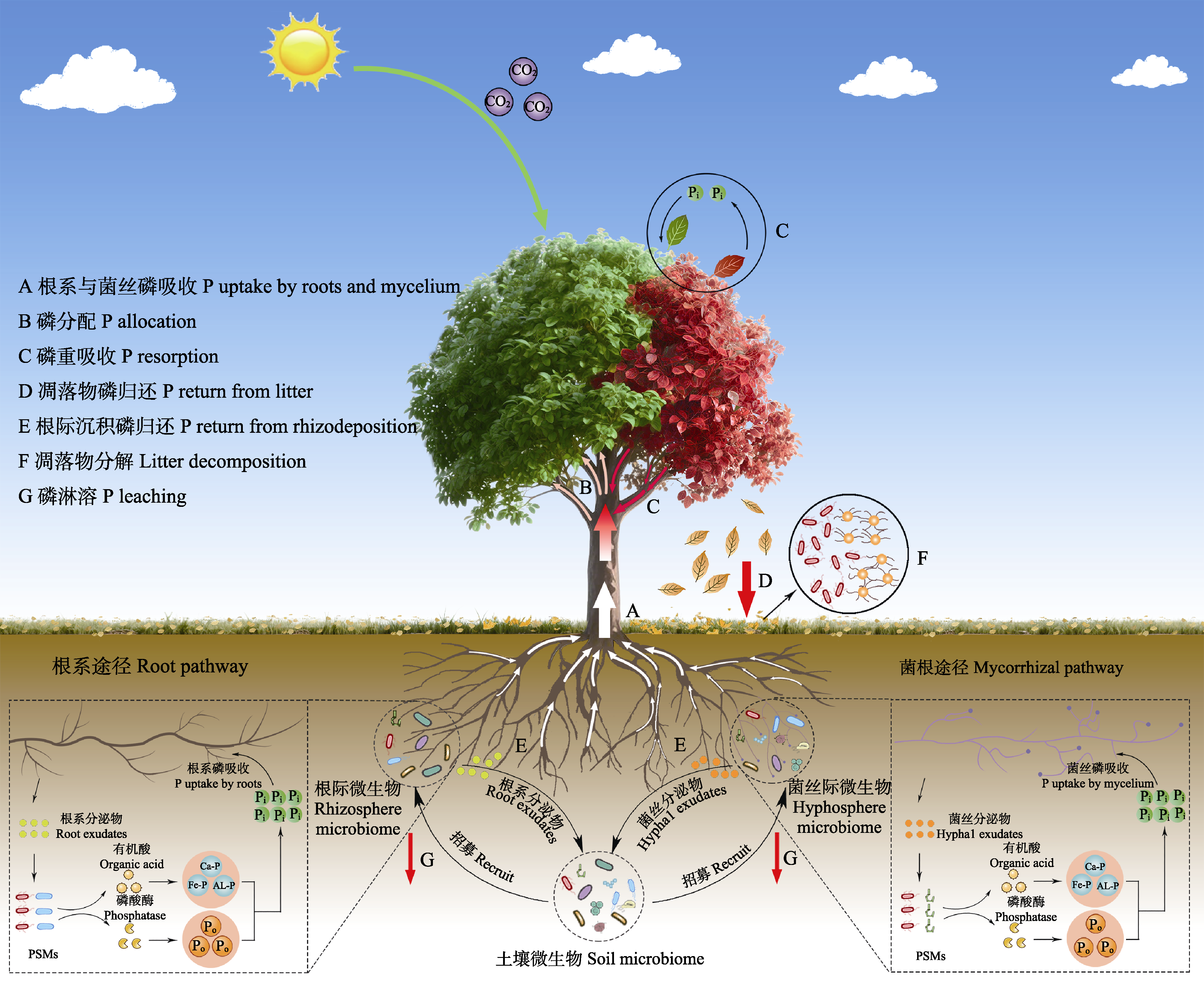
Fig. 1 Conceptual framework of phosphorus (P) acquisition and utilization strategies in plants (adapted from Zhang et al., 2022; Duan et al., 2025). To achieve efficient uptake of soil phosphorus (A), plants allocate a portion of the carbon fixed by photosynthesis to root and mycorrhizal fungal growth. Specifically, plants acquire phosphorus from soil primarily through two main pathways: direct uptake available phosphorus from the rhizosphere soil through root epidermal cells and root hairs (root pathway), and uptake by fungal hyphae through mycorrhizal pathway. Once phosphorus is absorbed by plant roots or fungal hyphae in the form of inorganic phosphate, it is transported upward via xylem sap flow to various organs under transpiration pressure (B). Under low-phosphorus stress, plants optimize the allocation of phosphorus within their tissues and increase the efficiency of phosphorus resorption (C), which significantly improves the efficiency of phosphorus utilization and reduces its dependence on external phosphorus sources. After plant senescence, a portion of phosphorus is returned to the soil as litter from the aboveground parts (D), while underground organs return a portion of phosphorus to the soil through rhizodeposition (E). When these returned litter and rhizosphere deposits are decomposed (F), the released phosphorus can be reabsorbed and reused by plants. However, some phosphorus may also be lost from terrestrial ecosystems through pathways such as surface runoff, soil erosion, and leaching (G). Pi, inorganic phosphorus; Po, organic phosphorus; PSMs, phosphate solubilizing microorganisms.
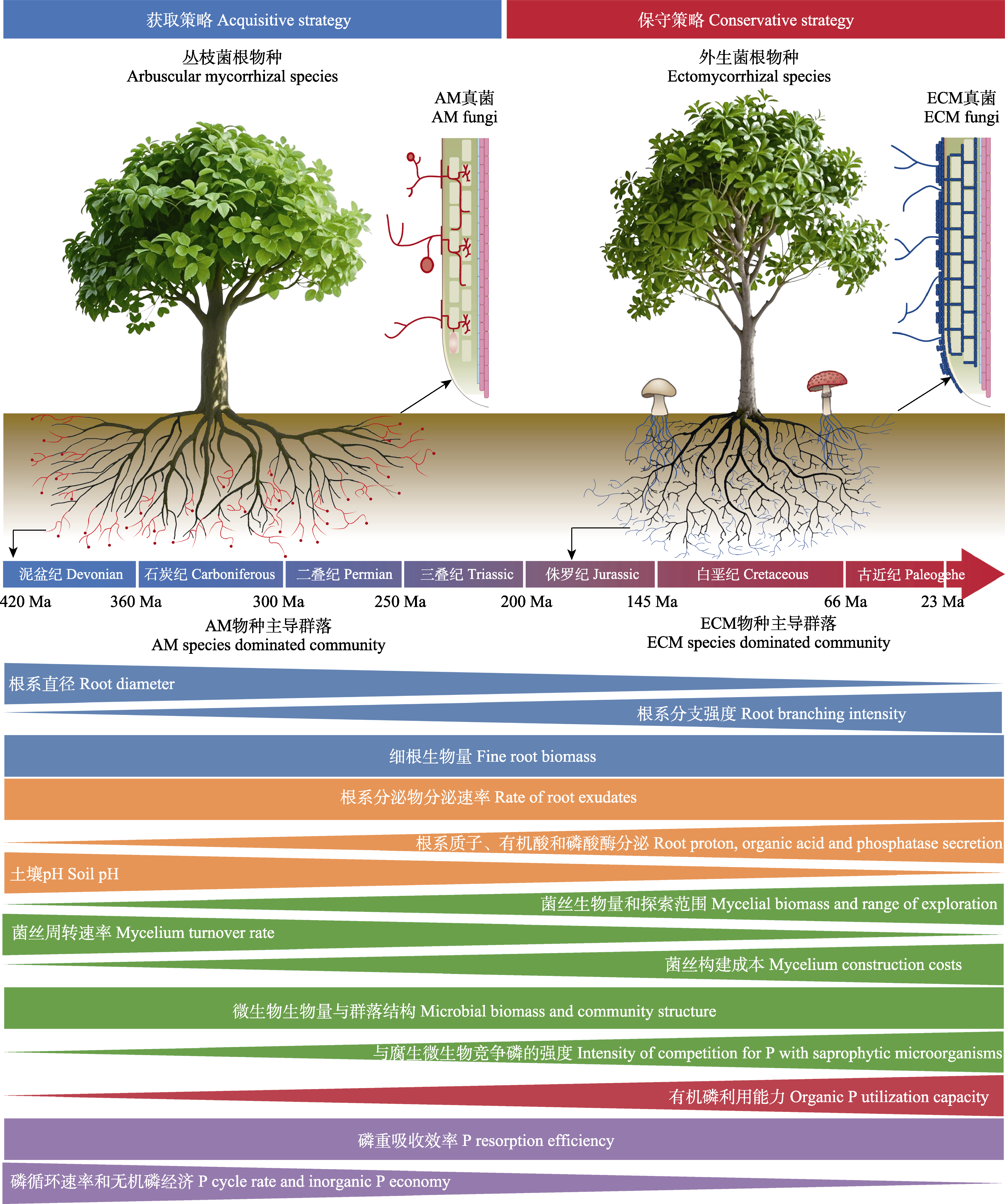
Fig. 2 Schematic diagram of phosphorus (P) acquisition and utilization strategies between arbuscular mycorrhizal (AM) and ectomycorrhizal (ECM) associated plants (modified from Deng et al., 2023). Ma, million years. In the triangles, the thinner side means the lower value, while the rectangle means the research conclusion is still controversial.
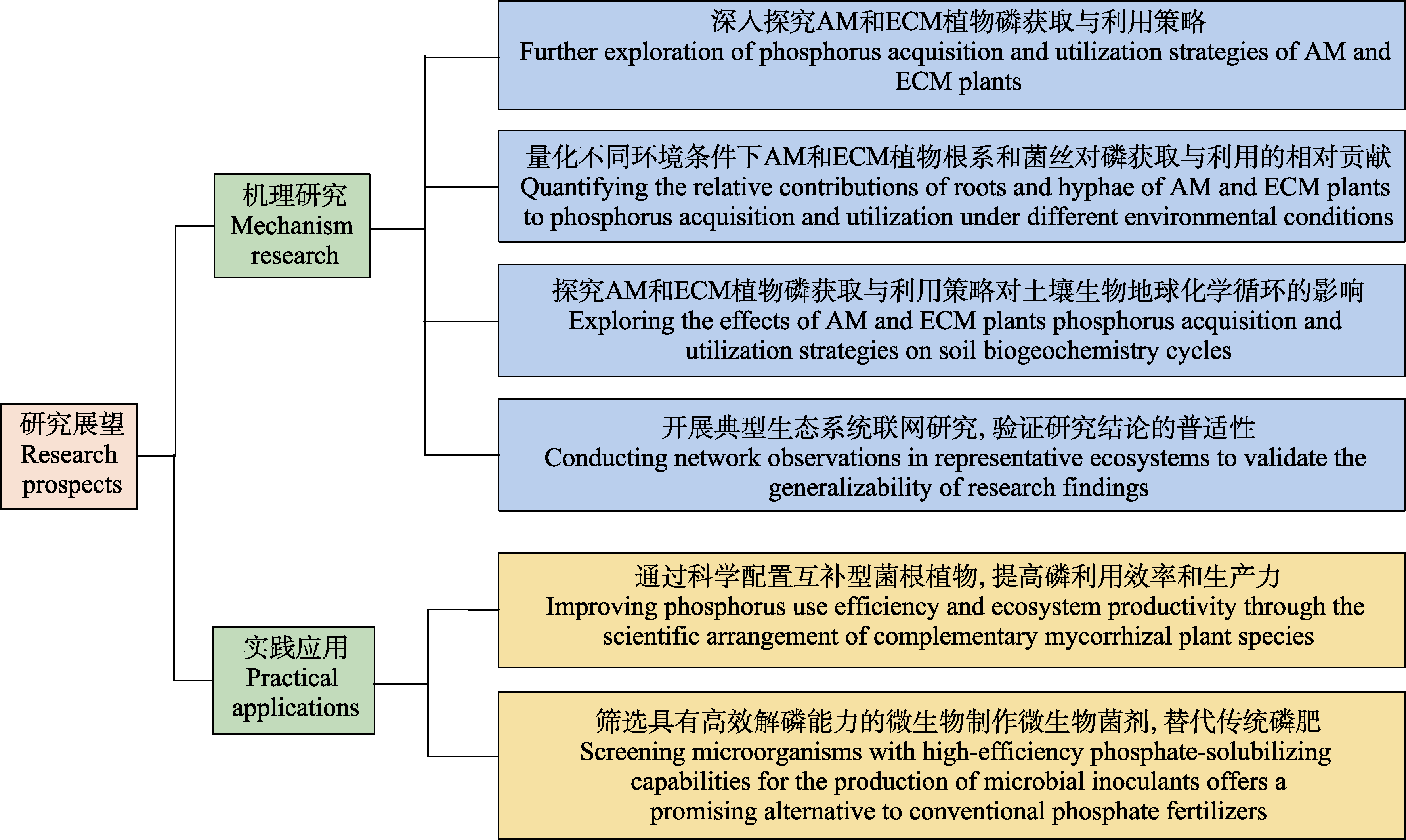
Fig. 3 A prospective framework for research on phosphorus acquisition and utilization strategies in arbuscular mycorrhizal (AM) and ectomycorrhizal (ECM) plants.
| [1] |
Alori ET, Glick BR, Babalola OO (2017). Microbial phosphorus solubilization and its potential for use in sustainable agriculture. Frontiers in Microbiology, 8, 971. DOI: 10.3389/fmicb.2017.00971.
PMID |
| [2] |
Averill C, Bhatnagar JM, Dietze MC, Pearse WD, Kivlin SN (2019). Global imprint of mycorrhizal fungi on whole-plant nutrient economics. Proceedings of the National Academy of Sciences of the United States of America, 116, 23163-23168.
DOI PMID |
| [3] |
Averill C, Hawkes CV (2016). Ectomycorrhizal fungi slow soil carbon cycling. Ecology Letters, 19, 937-947.
DOI PMID |
| [4] |
Bahram M, Netherway T, Hildebrand F, Pritsch K, Drenkhan R, Loit K, Anslan S, Bork P, Tedersoo L (2020). Plant nutrient-acquisition strategies drive topsoil microbiome structure and function. New Phytologist, 227, 1189-1199.
DOI PMID |
| [5] |
Barceló M, van Bodegom PM, Tedersoo L, Olsson PA, Soudzilovskaia NA (2022). Mycorrhizal tree impacts on topsoil biogeochemical properties in tropical forests. Journal of Ecology, 110, 1271-1282.
DOI URL |
| [6] |
Barrow NJ (2017). The effects of pH on phosphate uptake from the soil. Plant and Soil, 410, 401-410.
DOI URL |
| [7] | Bergmann J, Weigelt A, van der Plas F, Laughlin DC, Kuyper TW, Guerrero-Ramirez N, Valverde-Barrantes OJ, Bruelheide H, Freschet GT, Iversen CM, Kattge J, McCormack ML, Meier IC, Rillig MC, Roumet C, et al. (2020). The fungal collaboration gradient dominates the root economics space in plants. Science Advances, 6, eaba3756. DOI: 10.1126/sciadv.aba3756. |
| [8] |
Billah M, Khan M, Bano A, Hassan TU, Munir A, Gurmani AR (2019). Phosphorus and phosphate solubilizing bacteria: keys for sustainable agriculture. Geomicrobiology Journal, 36, 904-916.
DOI URL |
| [9] |
Bödeker ITM, Lindahl BD, Olson Å, Clemmensen KE (2016). Mycorrhizal and saprotrophic fungal guilds compete for the same organic substrates but affect decomposition differently. Functional Ecology, 30, 1967-1978.
DOI URL |
| [10] |
Bouray M, Moir JL, Lehto NJ, Condron LM, Touhami D, Hummel C (2021). Soil pH effects on phosphorus mobilization in the rhizosphere of Lupinus angustifolius. Plant and Soil, 469, 387-407.
DOI |
| [11] |
Brant AN, Chen HYH (2015). Patterns and mechanisms of nutrient resorption in plants. Critical Reviews in Plant Sciences, 34, 471-486.
DOI URL |
| [12] |
Brundrett MC (2002). Coevolution of roots and mycorrhizas of land plants. New Phytologist, 154, 275-304.
DOI PMID |
| [13] |
Brundrett MC, Tedersoo L (2018). Evolutionary history of mycorrhizal symbioses and global host plant diversity. New Phytologist, 220, 1108-1115.
DOI PMID |
| [14] |
Brzostek ER, Dragoni D, Brown ZA, Phillips RP (2015). Mycorrhizal type determines the magnitude and direction of root-induced changes in decomposition in a temperate forest. New Phytologist, 206, 1274-1282.
DOI PMID |
| [15] |
Bücking H, Shachar-Hill Y (2005). Phosphate uptake, transport and transfer by the arbuscular mycorrhizal fungus Glomus intraradices is stimulated by increased carbohydrate availability. New Phytologist, 165, 899-912.
PMID |
| [16] |
Bunn RA, Simpson DT, Bullington LS, Lekberg Y, Janos DP (2019). Revisiting the ‘direct mineral cycling’ hypothesis: arbuscular mycorrhizal fungi colonize leaf litter, but why? ISME Journal, 13, 1891-1898.
DOI URL |
| [17] |
Chapman SK, Langley JA, Hart SC, Koch GW (2006). Plants actively control nitrogen cycling: uncorking the microbial bottleneck. New Phytologist, 169, 27-34.
DOI PMID |
| [18] |
Cheeke TE, Phillips RP, Brzostek ER, Rosling A, Bever JD, Fransson P (2017). Dominant mycorrhizal association of trees alters carbon and nutrient cycling by selecting for microbial groups with distinct enzyme function. New Phytologist, 214, 432-442.
DOI PMID |
| [19] | Cheeke TE, Phillips RP, Kuhn A, Rosling A, Fransson P (2021). Variation in hyphal production rather than turnover regulates standing fungal biomass in temperate hardwood forests. Ecology, 102, e03260. DOI: 10.1002/ecy.3260. |
| [20] |
Chen BD, Fu W, Wu SL, Zhu YG (2024). Involvements of mycorrhizal fungi in terrestrial ecosystem carbon cycling. Chinese Journal of Plant Ecology, 48, 1-20.
DOI URL |
|
[陈保冬, 付伟, 伍松林, 朱永官 (2024). 菌根真菌在陆地生态系统碳循环中的作用. 植物生态学报, 48, 1-20.]
DOI |
|
| [21] | Chen J, Xu H, Seven J, Zilla T, Dippold MA, Kuzyakov Y (2023). Microbial phosphorus recycling in soil by intra- and extracellular mechanisms. ISME Communications, 3, 135. DOI: 10.1038/s43705-023-00340-7. |
| [22] |
Chen WL, Koide RT, Adams TS, DeForest JL, Cheng L, Eissenstat DM (2016). Root morphology and mycorrhizal symbioses together shape nutrient foraging strategies of temperate trees. Proceedings of the National Academy of Sciences of the United States of America, 113, 8741-8746.
DOI PMID |
| [23] |
Chen X, Ding ZJ, Tang M, Zhu B (2018). Greater variations of rhizosphere effects within mycorrhizal group than between mycorrhizal group in a temperate forest. Soil Biology & Biochemistry, 126, 237-246.
DOI URL |
| [24] |
Chen YW, Liang MX, Burslem DFRP, Johnson D, Yu SX, Liu XB (2025). Contrasting response of root traits of arbuscular mycorrhizal and ectomycorrhizal trees to phosphorus availability in subtropical forests. Plant and Soil, 507, 519-531.
DOI |
| [25] |
Cheng L, Booker FL, Tu C, Burkey KO, Zhou LS, Shew HD, Rufty TW, Hu SJ (2012). Arbuscular mycorrhizal fungi increase organic carbon decomposition under elevated CO2. Science, 337, 1084-1087.
DOI PMID |
| [26] |
Cleveland CC, Houlton BZ, Smith WK, Marklein AR, Reed SC, Parton W, Del Grosso SJ, Running SW (2013). Patterns of new versus recycled primary production in the terrestrial biosphere. Proceedings of the National Academy of Sciences of the United States of America, 110, 12733-12737.
DOI PMID |
| [27] |
Comas LH, Callahan HS, Midford PE (2014). Patterns in root traits of woody species hosting arbuscular and ectomycorrhizas: implications for the evolution of belowground strategies. Ecology and Evolution, 4, 2979-2990.
DOI PMID |
| [28] |
Dai ZM, Liu GF, Chen HH, Chen CR, Wang JK, Ai SY, Wei D, Li DM, Ma B, Tang CX, Brookes PC, Xu JM (2020). Long-term nutrient inputs shift soil microbial functional profiles of phosphorus cycling in diverse agroecosystems. The ISME Journal, 14, 757-770.
DOI URL |
| [29] |
DeForest JL, Snell RS (2020). Tree growth response to shifting soil nutrient economy depends on mycorrhizal associations. New Phytologist, 225, 2557-2566.
DOI PMID |
| [30] | Deng MF, Hu SJ, Guo LL, Jiang L, Huang YY, Schmid B, Liu C, Chang PF, Li S, Liu XJ, Ma KP, Liu LL (2023). Tree mycorrhizal association types control biodiversity- productivity relationship in a subtropical forest. Science Advances, 9, eadd4468. DOI: 10.1126/sciadv.add4468. |
| [31] |
Ding WL, Cong WF, Lambers H (2021). Plant phosphorus-acquisition and -use strategies affect soil carbon cycling. Trends in Ecology & Evolution, 36, 899-906.
DOI URL |
| [32] |
Drenovsky RE, Pietrasiak N, Short TH (2019). Global temporal patterns in plant nutrient resorption plasticity. Global Ecology and Biogeography, 28, 728-743.
DOI |
| [33] | Duan SL, Huo YJ, Tian YX, Yan WH, George TS, Huang CD, Feng G, Zhang L (2025). The interplay of direct and mycorrhizal pathways for plants to efficiently acquire phosphorus from soil. Frontiers of Agricultural Science and Engineering, 12, 47-56. |
| [34] |
Ezawa T, Saito K (2018). How do arbuscular mycorrhizal fungi handle phosphate? New insight into fine-tuning of phosphate metabolism. New Phytologist, 220, 1116-1121.
DOI PMID |
| [35] |
Fransson P, Andersson A, Norström S, Bylund D, Bent E (2016). Ectomycorrhizal exudates and pre-exposure to elevated CO2 affects soil bacterial growth and community structure. Fungal Ecology, 20, 211-224.
DOI URL |
| [36] |
Ge AH, Wang ET (2025). Exploring the plant microbiome: a pathway to climate-smart crops. Cell, 188, 1469-1485.
DOI URL |
| [37] |
Genre A, Lanfranco L, Perotto S, Bonfante P (2020). Unique and common traits in mycorrhizal symbioses. Nature Reviews Microbiology, 18, 649-660.
DOI |
| [38] |
Grayston SJ, Vaughan D, Jones D (1997). Rhizosphere carbon flow in trees, in comparison with annual plants: the importance of root exudation and its impact on microbial activity and nutrient availability. Applied Soil Ecology, 5, 29-56.
DOI URL |
| [39] |
Han MG, Chen Y, Li R, Yu M, Fu LC, Li SF, Su JR, Zhu B (2022). Root phosphatase activity aligns with the collaboration gradient of the root economics space. New Phytologist, 234, 837-849.
DOI URL |
| [40] | Harrison AF (1987). Soil Organic Phosphorus: a Review of World Literature. CAB International, Wallingford, UK. |
| [41] | Hawkins HJ, Cargill RIM, van Nuland ME, Hagen SC, Field KJ, Sheldrake M, Soudzilovskaia NA, Kiers ET (2023). Mycorrhizal mycelium as a global carbon pool. Current Biology, 33, R560-R573. |
| [42] |
He M, Xu QY, Xia Y, Yang LM, Fan YX, Yang YS (2023). Plant phosphorus acquisition mechanisms and their response to global climate changes. Chinese Journal of Plant Ecology, 47, 291-305.
DOI |
|
[何敏, 许秋月, 夏允, 杨柳明, 范跃新, 杨玉盛 (2023). 植物磷获取机制及其对全球变化的响应. 植物生态学报, 47, 291-305.]
DOI |
|
| [43] | Heděnec P, Nilsson LO, Zheng HF, Gundersen P, Schmidt IK, Rousk J, Vesterdal L (2020). Mycorrhizal association of common European tree species shapes biomass and metabolic activity of bacterial and fungal communities in soil. Soil Biology & Biochemistry, 149, 107933. DOI: 10.1016/j.soilbio.2020.107933. |
| [44] |
Hidaka A, Kitayama K (2011). Allocation of foliar phosphorus fractions and leaf traits of tropical tree species in response to decreased soil phosphorus availability on Mount Kinabalu, Borneo. Journal of Ecology, 99, 849-857.
DOI URL |
| [45] |
Hinsinger P (2001). Bioavailability of soil inorganic P in the rhizosphere as affected by root-induced chemical changes: a review. Plant and Soil, 237, 173-195.
DOI |
| [46] |
Hinsinger P, Plassard C, Tang CX, Jaillard B (2003). Origins of root-mediated pH changes in the rhizosphere and their responses to environmental constraints: a review. Plant and Soil, 248, 43-59.
DOI |
| [47] |
Hou EQ, Wen DZ, Kuang YW, Cong J, Chen CR, He XJ, Heenan M, Lu H, Zhang YG (2018). Soil pH predominantly controls the forms of organic phosphorus in topsoils under natural broadleaved forests along a 2500 km latitudinal gradient. Geoderma, 315, 65-74.
DOI URL |
| [48] | Jiang Z, Thakur MP, Liu RQ, Zhou GY, Zhou LY, Fu YL, Zhang PP, He YH, Shao JJ, Gao J, Li N, Wang XX, Jia SX, Chen Y, Zhang CX, et al. (2022). Soil P availability and mycorrhizal type determine root exudation in sub-tropical forests. Soil Biology & Biochemistry, 171, 108722. DOI: 10.1016/j.soilbio.2022.108722. |
| [49] |
Jones DL, Dennis PG, Owen AG, van Hees PAW (2003). Organic acid behavior in soils-misconceptions and knowledge gaps. Plant and Soil, 248, 31-41.
DOI |
| [50] |
Keller AB, Brzostek ER, Craig ME, Fisher JB, Phillips RP (2021). Root-derived inputs are major contributors to soil carbon in temperate forests, but vary by mycorrhizal type. Ecology Letters, 24, 626-635.
DOI PMID |
| [51] |
Keller AB, Phillips RP (2019). Leaf litter decay rates differ between mycorrhizal groups in temperate, but not tropical, forests. New Phytologist, 222, 556-564.
DOI PMID |
| [52] |
Kohler A, Kuo A, Nagy LG, Morin E, Barry KW, Buscot F, Canbäck B, Choi C, Cichocki N, Clum A, Colpaert J, Copeland A, Costa MD, Doré J, Floudas D, et al. (2015). Convergent losses of decay mechanisms and rapid turnover of symbiosis genes in mycorrhizal mutualists. Nature Genetics, 47, 410-415.
DOI PMID |
| [53] |
Lambers H (2022). Phosphorus acquisition and utilization in plants. Annual Review of Plant Biology, 73, 17-42.
DOI URL |
| [54] |
Lambers H, Shane MW, Cramer MD, Pearse SJ, Veneklaas EJ (2006). Root structure and functioning for efficient acquisition of phosphorus: matching morphological and physiological traits. Annals of Botany, 98, 693-713.
DOI PMID |
| [55] |
Langhans C, Beusen AHW, Mogollón JM, Bouwman AF (2022). Phosphorus for sustainable development goal target of doubling smallholder productivity. Nature Sustainability, 5, 57-63.
DOI |
| [56] |
Li XX, Zeng RS, Liao H (2016). Improving crop nutrient efficiency through root architecture modifications. Journal of Integrative Plant Biology, 58, 193-202.
DOI |
| [57] |
Li Y, Zeng HQ, Xu FY, Yan F, Xu WF (2022). H+-ATPases in plant growth and stress responses. Annual Review of Plant Biology, 73, 495-521.
DOI URL |
| [58] | Lian PP, Xu LL, Yang LM, Yue K, Peñuelas J (2024). Divergent soil P accrual in ectomycorrhizal and arbuscular mycorrhizal trees: insights from a common garden experiment in subtropical China. Frontiers in Plant Science, 15, 1333505. DOI: 10.3389/fpls.2024.1333505. |
| [59] |
Liang JL, Liu J, Jia P, Yang TT, Zeng QW, Zhang SC, Liao B, Shu WS, Li JT (2020). Novel phosphate-solubilizing bacteria enhance soil phosphorus cycling following ecological restoration of land degraded by mining. The ISME Journal, 14, 1600-1613.
DOI URL |
| [60] | Liang MX, Zhang XY, Zhang JJ, Liu XB (2024). Different phosphorus preferences among arbuscular and ectomycorrhizal trees in a subtropical forest. Soil Biology & Biochemistry, 194, 109448. DOI: 10.1016/j.soilbio.2024.109448. |
| [61] |
Liang TH, Xiong DC, Liu YH, Du XL, Yang ZJ, Huang JX (2025). Research progress on root exudates and rhizosphere effects of tree species associated with different mycorrhizal types. Chinese Journal of Plant Ecology, 49, 1038-1052.
DOI URL |
|
[梁天豪, 熊德成, 刘源豪, 杜旭龙, 杨智杰, 黄锦学 (2025). 不同菌根类型树种的根系分泌物特征及其根际效应研究进展. 植物生态学报, 49, 1038-1052.]
DOI |
|
| [62] |
Liese R, Lübbe T, Albers NW, Meier IC (2018). The mycorrhizal type governs root exudation and nitrogen uptake of temperate tree species. Tree Physiology, 38, 83-95.
DOI PMID |
| [63] |
Lin GG, Craig ME, Jo I, Wang XG, Zeng DH, Phillips RP (2022). Mycorrhizal associations of tree species influence soil nitrogen dynamics via effects on soil acid-base chemistry. Global Ecology and Biogeography, 31, 168-182.
DOI URL |
| [64] | Lin GG, Gao MX, Zeng DH, Fang YT (2020). Aboveground conservation acts in synergy with belowground uptake to alleviate phosphorus deficiency caused by nitrogen addition in a larch plantation. Forest Ecology and Management, 473, 118309. DOI: 10.1016/j.foreco.2020.118309. |
| [65] |
Liu BT, Li HB, Zhu B, Koide RT, Eissenstat DM, Guo DL (2015). Complementarity in nutrient foraging strategies of absorptive fine roots and arbuscular mycorrhizal fungi across 14 coexisting subtropical tree species. New Phytologist, 208, 125-136.
DOI PMID |
| [66] |
Liu D (2021). Root developmental responses to phosphorus nutrition. Journal of Integrative Plant Biology, 63, 1065-1090.
DOI |
| [67] |
Liu XB, Burslem DFRP, Taylor JD, Taylor AFS, Khoo E, Majalap-Lee N, Helgason T, Johnson D (2018). Partitioning of soil phosphorus among arbuscular and ectomycorrhizal trees in tropical and subtropical forests. Ecology Letters, 21, 713-723.
DOI PMID |
| [68] | Liu YJ, Zhang LH, Zhang H, Lan B, Lü JT, Chen G, Wang LS, Liu ZX (2023). Role of phosphate solubilizing microorganisms in soil phosphorus cycle: a review. Microbiology China, 50, 3671-3687. |
| [刘英杰, 张丽红, 张宏, 兰波, 吕江涛, 陈光, 王禄山, 刘正学 (2023). 溶磷微生物在土壤磷循环中的作用研究进展. 微生物学通报, 50, 3671-3687.] | |
| [69] |
Lynch J (1995). Root architecture and plant productivity. Plant Physiology, 109, 7-13.
DOI PMID |
| [70] |
Lynch JP (2019). Root phenotypes for improved nutrient capture: an underexploited opportunity for global agriculture. New Phytologist, 223, 548-564.
DOI PMID |
| [71] | Lyu Y, Tang HL, Li HG, Zhang FS, Rengel Z, Whalley WR, Shen JB (2016). Major crop species show differential balance between root morphological and physiological responses to variable phosphorus supply. Frontiers in Plant Science, 7, 1939. DOI: 10.3389/fpls.2016.01939. |
| [72] |
Martin F, Kohler A, Murat C, Veneault-Fourrey C, Hibbett DS (2016). Unearthing the roots of ectomycorrhizal symbioses. Nature Reviews Microbiology, 14, 760-773.
DOI PMID |
| [73] |
Martin FM, van der Heijden MGA (2024). The mycorrhizal symbiosis: research frontiers in genomics, ecology, and agricultural application. New Phytologist, 242, 1486-1506.
DOI PMID |
| [74] |
McKay Fletcher DM, Ruiz S, Dias T, Petroselli C, Roose T (2020). Linking root structure to functionality: the impact of root system architecture on citrate-enhanced phosphate uptake. New Phytologist, 227, 376-391.
DOI PMID |
| [75] |
Miyauchi S, Kiss E, Kuo AL, Drula E, Kohler A, Sánchez-García M, Morin E, Andreopoulos B, Barry KW, Bonito G, Buée M, Carver A, Chen C, Cichocki N, Clum A, et al. (2020). Large-scale genome sequencing of mycorrhizal fungi provides insights into the early evolution of symbiotic traits. Nature Communications, 11, 5125. DOI: 10.1038/s41467-020-18795-w.
PMID |
| [76] |
Ojeda-Rivera JO, Alejo-Jacuinde G, Nájera-González HR, López-Arredondo D (2022). Prospects of genetics and breeding for low-phosphate tolerance: an integrated approach from soil to cell. Theoretical and Applied Genetics, 135, 4125-4150.
DOI PMID |
| [77] | Pang F, Li Q, Solanki MK, Wang Z, Xing YX, Dong DF (2024). Soil phosphorus transformation and plant uptake driven by phosphate-solubilizing microorganisms. Frontiers in Microbiology, 15, 1383813. DOI: 10.3389/fmicb.2024.1383813. |
| [78] |
Pang JY, Bansal R, Zhao HX, Bohuon E, Lambers H, Ryan MH, Ranathunge K, Siddique KHM (2018). The carboxylate-releasing phosphorus-mobilizing strategy can be proxied by foliar manganese concentration in a large set of chickpea germplasm under low phosphorus supply. New Phytologist, 219, 518-529.
DOI PMID |
| [79] |
Peng ZY, Wu YT, Guo LL, Yang L, Wang B, Wang X, Liu WX, Su YJ, Wu J, Liu LL (2023). Foliar nutrient resorption stoichiometry and microbial phosphatase catalytic efficiency together alleviate the relative phosphorus limitation in forest ecosystems. New Phytologist, 238, 1033-1044.
DOI PMID |
| [80] |
Phillips RP, Brzostek E, Midgley MG (2013). The mycorrhizal-associated nutrient economy: a new framework for predicting carbon—nutrient couplings in temperate forests. New Phytologist, 199, 41-51.
DOI PMID |
| [81] |
Phillips RP, Fahey TJ (2005). Patterns of rhizosphere carbon flux in sugar maple (Acer saccharum) and yellow birch (Betula allegheniensis) saplings. Global Change Biology, 11, 983-995.
DOI URL |
| [82] |
Phillips RP, Fahey TJ (2006). Tree species and mycorrhizal associations influence the magnitude of rhizosphere effects. Ecology, 87, 1302-1313.
PMID |
| [83] |
Phoenix GK, Johnson DA, Muddimer SP, Leake JR, Cameron DD (2020). Niche differentiation and plasticity in soil phosphorus acquisition among co-occurring plants. Nature Plants, 6, 349-354.
DOI PMID |
| [84] |
Powers SM, Bruulsema TW, Burt TP, Chan NI, Elser JJ, Haygarth PM, Howden NJK, Jarvie HP, Lyu Y, Peterson HM, Sharpley AN, Shen JB, Worrall F, Zhang FS (2016). Long-term accumulation and transport of anthropogenic phosphorus in three river basins. Nature Geoscience, 9, 353-356.
DOI |
| [85] | Qi XX (2022). Effect of Ectomycorrhizal Tree Species Abundance on Phosphorus Availability in Subtropical Forest. Master degree dissertation, Central South University of Forestry & Technology, Changsha. |
| [齐晓旭 (2022). 亚热带森林外生菌根树种丰度对土壤生物有效磷的影响. 硕士学位论文, 中南林业科技大学, 长沙.] | |
| [86] | Qi XX, Chen L, Zhu JA, Li Z, Lei HM, Shen Q, Wu HL, Ouyang S, Zeng YL, Hu YT, Xiang WH (2022). Increase of soil phosphorus bioavailability with ectomycorrhizal tree dominance in subtropical secondary forests. Forest Ecology and Management, 521, 120435. DOI: 10.1016/j.foreco.2022.120435. |
| [87] |
Raudaskoski M, Kothe E,(2015). Novel findings on the role of signal exchange in arbuscular and ectomycorrhizal symbioses. Mycorrhiza, 25, 243-252.
DOI PMID |
| [88] |
Read DJ (1991). Mycorrhizas in ecosystems. Experientia, 47, 376-391.
DOI URL |
| [89] |
Read DJ, Perez-Moreno J (2003). Mycorrhizas and nutrient cycling in ecosystems-A journey towards relevance? New Phytologist, 157, 475-492.
DOI PMID |
| [90] |
Reichert T, Rammig A, Fuchslueger L, Lugli LF, Quesada CA, Fleischer K (2022). Plant phosphorus-use and -acquisition strategies in Amazonia. New Phytologist, 234, 1126-1143.
DOI URL |
| [91] | Rengel Z, Cakmak I, White PJ (2022). Marschner’s Mineral Nutrition of Plants. 4th ed. Academic Press, London. |
| [92] |
Richardson AE, Simpson RJ (2011). Soil microorganisms mediating phosphorus availability update on microbial phosphorus. Plant Physiology, 156, 989-996.
DOI PMID |
| [93] |
Rillig MC, Lehmann A, Mounts IR, Bock BM (2025). Concurrent common fungal networks formed by different guilds of fungi. New Phytologist, 246, 33-38.
DOI URL |
| [94] |
Rillig MC, Ryo M, Lehmann A, Aguilar-Trigueros CA, Buchert S, Wulf A, Iwasaki A, Roy J, Yang GW (2019). The role of multiple global change factors in driving soil functions and microbial biodiversity. Science, 366, 886-890.
DOI PMID |
| [95] |
Rodríguez H, Fraga R, Gonzalez T, Bashan Y (2006). Genetics of phosphate solubilization and its potential applications for improving plant growth-promoting bacteria. Plant and Soil, 287, 15-21.
DOI URL |
| [96] |
Rosling A, Midgley MG, Cheeke T, Urbina H, Fransson P, Phillips RP (2016). Phosphorus cycling in deciduous forest soil differs between stands dominated by ecto- and arbuscular mycorrhizal trees. New Phytologist, 209, 1184-1195.
DOI PMID |
| [97] |
Rudolph-Mohr N, Vontobel P, Oswald SE (2014). A multi-imaging approach to study the root-soil interface. Annals of Botany, 114, 1779-1787.
DOI PMID |
| [98] | Sattari SZ, van Ittersum MK, Giller KE, Zhang F, Bouwman AF (2014). Key role of China and its agriculture in global sustainable phosphorus management. Environmental Research Letters, 9, 054003. DOI: 10.1088/1748-9326/9/5/054003. |
| [99] |
See CR, Keller AB, Hobbie SE, Kennedy PG, Weber PK, Pett-Ridge J (2022). Hyphae move matter and microbes to mineral microsites: integrating the hyphosphere into conceptual models of soil organic matter stabilization. Global Change Biology, 28, 2527-2540.
DOI URL |
| [100] |
See CR, Luke McCormack M, Hobbie SE, Flores-Moreno H, Silver WL, Kennedy PG (2019). Global patterns in fine root decomposition: climate, chemistry, mycorrhizal association and woodiness. Ecology Letters, 22, 946-953.
DOI PMID |
| [101] | Sha GL, Chen YX, Wei TX, Guo X, Yu H, Jiang S, Xin PC, Ren K (2023). Responses of soil microbial communities to vegetation restoration on the Loess Plateau of China: a meta-analysis. Applied Soil Ecology, 189, 104910. DOI: 10.1016/j.apsoil.2023.104910. |
| [102] |
Shen JB, Yuan LX, Zhang JL, Li HG, Bai ZH, Chen XP, Zhang WF, Zhang FS (2011). Phosphorus dynamics: from soil to plant. Plant Physiology, 156, 997-1005.
DOI PMID |
| [103] |
Shi JC, Wang XL, Wang ET (2023). Mycorrhizal symbiosis in plant growth and stress adaptation: from genes to ecosystems. Annual Review of Plant Biology, 74, 569-607.
DOI URL |
| [104] | Singh BK, Hu HW, MacDonald CA, Xiong C (2025). Microbiome-facilitated plant nutrient acquisition. Cell Host & Microbe, 33, 869-881. |
| [105] |
Smith SE, Jakobsen I, Grønlund M, Smith FA (2011). Roles of arbuscular mycorrhizas in plant phosphorus nutrition: interactions between pathways of phosphorus uptake in arbuscular mycorrhizal roots have important implications for understanding and manipulating plant phosphorus acquisition. Plant Physiology, 156, 1050-1057.
DOI PMID |
| [106] | Smith SE, Read DJ (2008). Mycorrhizal Symbiosis. 3rd ed. Academic Press, London. |
| [107] |
Smith SE, Smith FA (2011). Roles of arbuscular mycorrhizas in plant nutrition and growth: new paradigms from cellular to ecosystem scales. Annual Review of Plant Biology, 62, 227-250.
DOI PMID |
| [108] |
Soudzilovskaia NA, van der Heijden MGA, Cornelissen JHC, Makarov MI, Onipchenko VG, Maslov MN, Akhmetzhanova AA, van Bodegom PM (2015). Quantitative assessment of the differential impacts of arbuscular and ectomycorrhiza on soil carbon cycling. New Phytologist, 208, 280-293.
DOI PMID |
| [109] |
Staddon PL, Ramsey CB, Ostle N, Ineson P, Fitter AH (2003). Rapid turnover of hyphae of mycorrhizal fungi determined by AMS microanalysis of 14C. Science, 300, 1138-1140.
DOI PMID |
| [110] |
Steidinger BS, Crowther TW, Liang J, van Nuland ME, Werner GDA, Reich PB, Nabuurs GJ, de-Miguel S, Zhou M, Picard N, Herault B, Zhao X, Zhang C, Routh D, Peay KG (2019). Climatic controls of decomposition drive the global biogeography of forest-tree symbioses. Nature, 569, 404-408.
DOI |
| [111] |
Strullu-Derrien C, Selosse MA, Kenrick P, Martin FM (2018). The origin and evolution of mycorrhizal symbioses: from palaeomycology to phylogenomics. New Phytologist, 220, 1012-1030.
DOI PMID |
| [112] | Su YJ, Yang K, Zhang Q, Xu S, Yu LZ, Zhang JX (2024). Research progress on soil nitrogen and phosphorus availability and influencing factors of different mycorrhizal tree species. Chinese Journal of Ecology, 43, 2208-2221. |
| [苏颖佳, 杨凯, 张乾, 徐爽, 于立忠, 张金鑫 (2024). 不同菌根类型树种土壤氮、磷有效性特征及影响因素研究进展. 生态学杂志, 43, 2208-2221.] | |
| [113] |
Sun LJ, Kominami Y, Yoshimura K, Kitayama K (2017). Root-exudate flux variations among four co-existing canopy species in a temperate forest, Japan. Ecological Research, 32, 331-339.
DOI URL |
| [114] |
Sun XB, Li DJ, Lü XT, Fang YT, Ma ZL, Wang ZC, Chu CJ, Li MM, Chen H (2023). Widespread controls of leaf nutrient resorption by nutrient limitation and stoichiometry. Functional Ecology, 37, 1653-1662.
DOI URL |
| [115] | Tao DX, Gao YZ (2023). Advances on the strategies of soil phosphate solubilizing microorganisms to promote plant phosphorus uptake. Acta Ecologica Sinica, 43, 4390-4399. |
| [陶冬雪, 高英志 (2023). 土壤解磷微生物促进植物磷素吸收策略研究进展. 生态学报, 43, 4390-4399.] | |
| [116] |
Taylor LL, Leake JR, Quirk J, Hardy K, Banwart SA, Beerling DJ (2009). Biological weathering and the long-term carbon cycle: integrating mycorrhizal evolution and function into the current paradigm. Geobiology, 7, 171-191.
DOI PMID |
| [117] |
Taylor MK, Lankau RA, Wurzburger N (2016). Mycorrhizal associations of trees have different indirect effects on organic matter decomposition. Journal of Ecology, 104, 1576-1584.
DOI URL |
| [118] |
Tedersoo L, Bahram M (2019). Mycorrhizal types differ in ecophysiology and alter plant nutrition and soil processes. Biological Reviews, 94, 1857-1880.
DOI |
| [119] | Tedersoo L, Bahram M, Zobel M (2020). How mycorrhizal associations drive plant population and community biology. Science, 367, eaba1223. DOI: 10.1126/science.aba1223. |
| [120] |
Tisserant E, Malbreil M, Kuo A, Kohler A, Symeonidi A, Balestrini R, Charron P, Duensing N, Frei dit Frey N, Gianinazzi-Pearson N, Gilbert LB, Handa Y, Herr JR, Hijri M, Koul R, et al. (2013). Genome of an arbuscular mycorrhizal fungus provides insight into the oldest plant symbiosis. Proceedings of the National Academy of Sciences of the United States of America, 110, 20117-20122.
DOI PMID |
| [121] |
Toljander JF, Lindahl BD, Paul LR, Elfstrand M, Finlay RD (2007). Influence of arbuscular mycorrhizal mycelial exudates on soil bacterial growth and community structure. FEMS Microbiology Ecology, 61, 295-304.
DOI PMID |
| [122] |
Turner BL (2008). Resource partitioning for soil phosphorus: a hypothesis. Journal of Ecology, 96, 698-702.
DOI URL |
| [123] |
Turner BL, Engelbrecht BMJ (2011). Soil organic phosphorus in lowland tropical rain forests. Biogeochemistry, 103, 297-315.
DOI URL |
| [124] |
van der Heijden MGA, Martin FM, Selosse MA, Sanders IR (2015). Mycorrhizal ecology and evolution: the past, the present, and the future. New Phytologist, 205, 1406-1423.
DOI PMID |
| [125] |
Vance CP, Uhde-Stone C, Allan DL (2003). Phosphorus acquisition and use: critical adaptations by plants for securing a nonrenewable resource. New phytologist, 157, 423-447.
DOI PMID |
| [126] |
Vergutz L, Manzoni S, Porporato A, Novais RF, Jackson RB (2012). Global resorption efficiencies and concentrations of carbon and nutrients in leaves of terrestrial plants. Ecological Monographs, 82, 205-220.
DOI URL |
| [127] |
Wang GW, Jin ZX, George TS, Feng G, Zhang L (2023a). Arbuscular mycorrhizal fungi enhance plant phosphorus uptake through stimulating hyphosphere soil microbiome functional profiles for phosphorus turnover. New Phytologist, 238, 2578-2593.
DOI URL |
| [128] |
Wang LT, Zhang L, George TS, Feng G (2023b). A core microbiome in the hyphosphere of arbuscular mycorrhizal fungi has functional significance in organic phosphorus mineralization. New Phytologist, 238, 859-873.
DOI URL |
| [129] |
Wang YL, Lambers H (2020). Root-released organic anions in response to low phosphorus availability: recent progress, challenges and future perspectives. Plant and Soil, 447, 135-156.
DOI |
| [130] |
Wang YZ, Chen X, Whalen JK, Cao YH, Quan Z, Lu CY, Shi Y (2015). Kinetics of inorganic and organic phosphorus release influenced by low molecular weight organic acids in calcareous, neutral and acidic soils. Journal of Plant Nutrition and Soil Science, 178, 555-566.
DOI URL |
| [131] |
Wei YQ, Zhao Y, Shi MZ, Cao ZY, Lu Q, Yang TX, Fan YY, Wei ZM (2018). Effect of organic acids production and bacterial community on the possible mechanism of phosphorus solubilization during composting with enriched phosphate-solubilizing bacteria inoculation. Bioresource Technology, 247, 190-199.
DOI PMID |
| [132] |
Wen ZH, Li HB, Shen Q, Tang XM, Xiong CY, Li HG, Pang JY, Ryan MH, Lambers H, Shen JB (2019). Tradeoffs among root morphology, exudation and mycorrhizal symbioses for phosphorus-acquisition strategies of 16 crop species. New Phytologist, 223, 882-895.
DOI PMID |
| [133] |
Wen ZH, White PJ, Shen JB, Lambers H (2022). Linking root exudation to belowground economic traits for resource acquisition. New Phytologist, 233, 1620-1635.
DOI URL |
| [134] |
Whiteside MD, Werner GDA, Caldas VEA, van’t Padje A, Dupin SE, Elbers B, Bakker M, Wyatt GAK, Klein M, Hink MA, Postma M, Vaitla B, Noë R, Shimizu TS, West SA, et al. (2019). Mycorrhizal fungi respond to resource inequality by moving phosphorus from rich to poor patches across networks. Current Biology, 29, 2043-2050.
DOI PMID |
| [135] | Wu XJ, Cui ZL, Peng JJ, Zhang FS, Liesack W (2022). Genome-resolved metagenomics identifies the particular genetic traits of phosphate-solubilizing bacteria in agricultural soil. ISME Communications, 2, 17. DOI: 10.1038/s43705-022-00100-z. |
| [136] |
Wurzburger N, Brookshire ENJ (2017). Experimental evidence that mycorrhizal nitrogen strategies affect soil carbon. Ecology, 98, 1491-1497.
DOI PMID |
| [137] |
Xie BX, Chen QQ, Lu X, Chen K, Yang YS, Tian J, Liang CY (2023). Proton exudation mediated by GmVP2 has widespread effects on plant growth, remobilization of soil phosphorus, and the structure of the rhizosphere microbial community. Journal of Experimental Botany, 74, 1140-1156.
DOI URL |
| [138] |
Xie XY, Weng BS, Cai BP, Dong YR, Yan CL (2014). Effects of arbuscular mycorrhizal inoculation and phosphorus supply on the growth and nutrient uptake of Kandelia obovata (Sheue, Liu & Yong) seedlings in autoclaved soil. Applied Soil Ecology, 75, 162-171.
DOI URL |
| [139] |
Xu J, Liu SJ, Song SR, Guo HL, Tang JJ, Yong JWH, Ma YD, Chen X (2018). Arbuscular mycorrhizal fungi influence decomposition and the associated soil microbial community under different soil phosphorus availability. Soil Biology & Biochemistry, 120, 181-190.
DOI URL |
| [140] |
Yan H, Freschet GT, Wang HM, Hogan JA, Li SG, Valverde-Barrantes OJ, Fu XL, Wang RL, Dai XQ, Jiang L, Meng SW, Yang FT, Zhang MM, Kou L (2022). Mycorrhizal symbiosis pathway and edaphic fertility frame root economics space among tree species. New Phytologist, 234, 1639-1653.
DOI PMID |
| [141] | Yang Y, Zhang XY, Wang J, Kou L, Ma ZQ, Lyu SD, Wei J, Wang HM, Wen XF (2022). Phosphorus acquisition strategies of arbuscular mycorrhizal and ectomycorrhizal trees in subtropical plantations. European Journal of Soil Science, 73, e13303. DOI: 10.1111/ejss.13303. |
| [142] |
Yin HJ, Wheeler E, Phillips RP (2014). Root-induced changes in nutrient cycling in forests depend on exudation rates. Soil Biology & Biochemistry, 78, 213-221.
DOI URL |
| [143] |
Yuan CX, Wu FZ, Peng Y, Wu QQ, Zhu GQ, Zhao ZM, Wang YQ, An NN, Ni XY, Yue K (2023). Pain or gain: the dual role of afforestation effects on soil pH at the global scale. Plant and Soil, 493, 617-628.
DOI |
| [144] |
Yuan ZY, Chen HYH (2009). Global trends in senesced-leaf nitrogen and phosphorus. Global Ecology and Biogeography, 18, 532-542.
DOI URL |
| [145] | Zeng JX, Tu QC, Yu XL, Qian L, Wang C, Shu LF, Liu F, Liu SW, Huang ZJ, He JG, Yan QY, He ZL (2022). PCycDB: a comprehensive and accurate database for fast analysis of phosphorus cycling genes. Microbiome, 10, 101. DOI: 10.1186/s40168-022-01292-1. |
| [146] | Zhang GD, Zhou GY, Zhou XH, Zhou LY, Shao JJ, Liu RQ, Gao J, He YH, Du ZG, Tang JW, Delgado-Baquerizo M (2023). Effects of tree mycorrhizal type on soil respiration and carbon stock via fine root biomass and litter dynamic in tropical plantations. Journal of Plant Ecology, 16, rtac056. DOI: 10.1093/jpe/rtac056. |
| [147] |
Zhang HY, Lü XT, Hartmann H, Hartmann H, Keller A, Han XG, Trumbore S, Phillips RP (2018a). Foliar nutrient resorption differs between arbuscular mycorrhizal and ectomycorrhizal trees at local and global scales. Global Ecology and Biogeography, 27, 875-885.
DOI URL |
| [148] | Zhang L, Ding XD, Peng Y, George TS, Feng G (2018b). Closing the loop on phosphorus loss from intensive agricultural soil: a microbial immobilization solution? Frontiers in Microbiology, 9, 104. DOI: 10.3389/fmicb.2018.00104. |
| [149] | Zhang L, Zhou JC, George TS, Limpens E, Feng G (2022). Arbuscular mycorrhizal fungi conducting the hyphosphere bacterial orchestra. Trends in Plant Science, 27, 402-411. |
| [150] |
Zheng HF, Phillips RP, Rousk J, Yue K, Schmidt IK, Peng Y, Wang SH, Vesterdal L (2023). Imprint of tree species mycorrhizal association on microbial-mediated enzyme activity and stoichiometry. Functional Ecology, 37, 1366-1376.
DOI URL |
| [151] |
Zhu J, Li M, Whelan M (2018). Phosphorus activators contribute to legacy phosphorus availability in agricultural soils: a review. Science of the Total Environment, 612, 522-537.
DOI URL |
| [152] |
Zhu LQ, Yao XD, Chen WL, Robinson D, Wang XH, Chen TT, Jiang Q, Jia LQ, Fan AL, Wu DM, Chen GS (2023). Plastic responses of below-ground foraging traits to soil phosphorus-rich patches across 17 coexisting AM tree species in a subtropical forest. Journal of Ecology, 111, 830-844.
DOI URL |
| [153] |
Zuccarini P, Asensio D, Ogaya R, Sardans J, Peñuelas J (2020). Effects of seasonal and decadal warming on soil enzymatic activity in a P-deficient Mediterranean shrubland. Global Change Biology, 26, 3698-3714.
DOI PMID |
| [1] | . Plant Responses to Cadmium Contamination: Mechanisms of Uptake, Transport, and Physiological-Molecular Mitigation [J]. Chin J Plant Ecol, 2026, 50(4): 814-832. |
| [2] | Zhao Zhi-Yi, HUANG Wei-Quan, HU Jing-Yan, WANG Yi-yue, Yu Mengjie, Yuhuan Wu. Advances of plant litter decomposition and its microbial mechanisms in peatland [J]. Chin J Plant Ecol, 2026, 50(4): 801-813. |
| [3] | XI Nian-Xun. The impact of multiple global change factors on traits of mycorrhizal plants [J]. Chin J Plant Ecol, 2026, 50(4): 907-916. |
| [4] | HE Zheng-Jia, ZENG Xin-Ran, WANG Lin-Ying, XUE Xin-Yu, SU Qin-Ze, LI Yu, ZHANG Yin-Jie, WU Hui-Huang, CHEN Cheng-Cong, WU Liang-Quan, WEI An-Ni, QIU Yun-Peng, GUO Li-Jin. Response of arbuscular mycorrhizal fungal communities and soil organic carbon to magnesium fertilization in tea plantations [J]. Chin J Plant Ecol, 2026, 50(3): 700-709. |
| [5] | DUAN Shi-Long, YU Cheng-Jin, XU Xin-Yao, FENG Gu, XIE Xian-An, ZHANG Lin. Plant-arbuscular mycorrhizal fungi-bacteria continuum and its maintenance mechanisms [J]. Chin J Plant Ecol, 2026, 50(3): 600-611. |
| [6] | JIANG Kang-Wei, LÜ Cheng, WANG Ya-Fei, LI Hong, ZHANG Zhi-Qing, WANG Yu, ZHANG Qing-Qing, Tuerxunnayi REYIMU. Effects of soil arbuscular mycorrhizal fungal communities on soil multifunctionality under grazing disturbance [J]. Chin J Plant Ecol, 2026, 50(3): 685-699. |
| [7] | HE Tang-Qing, WANG Bian-Bian, CAO Xin-Xin, ZHANG Kang-Cheng, WANG Xiao-Dong, WANG Hao, BAI Tong-Shuo, ZHAO Ye-Xin, ZHANG Yi, WANG Yi, QIU Yun-Peng, HU Shui-Jin. Responses of plants and arbuscular mycorrhizal fungal communities to long-term precipitation increase in a semi-arid grassland [J]. Chin J Plant Ecol, 2026, 50(3): 674-684. |
| [8] | LI Wen-Zhu, LUAN Jun-Wei, DI Ya-Ping, WANG Yi, NIE Xiu-Qing, LIU Shi-Rong. Effects of manipulative drought on mycorrhiza-mediated soil enzyme activities and soil organic carbon fractions in a warm temperate Quercus aliena var. acuteserrata forest [J]. Chin J Plant Ecol, 2026, 50(3): 660-673. |
| [9] | YANG Mi, LU Meng-Zhen, FENG Zhi-Yang, YUAN Xu-Dong, ZHAO Xiao-Xiang, LIU Feng, TIAN Qiu-Xiang. Correlation relationship between soil phosphorus availability and ectomycorrhizal tree dominance in a subtropical forest [J]. Chin J Plant Ecol, 2026, 50(3): 639-648. |
| [10] | ZOU Ji-Kai, WU Jia-Yi, GU Yun-Yi, CHEN Bao-Ming. Effects of different nitrogen forms and arbuscular mycorrhizal fungi on competitive ability of invasive alien plant Bidens alba [J]. Chin J Plant Ecol, 2026, 50(3): 722-730. |
| [11] | QIN Fei-Fei, TANG Zhao-Hui, SI Tong, CI Dun-Wei. Response mechanisms of growth and rhizosphere soil properties in salt-tolerant and salt-sensitive peanut (Arachis hypogaea) to arbuscular mycorrhizal fungi [J]. Chin J Plant Ecol, 2026, 50(3): 742-759. |
| [12] | FANG Di, MA Ning, LI Sheng-Gong, ZHENG Jia-Jia, CHU Yun-Xin, YANG Jin-Chang, YANG Zan-Ming, ZHANG Long-Ning, MENG Sheng-Wang, GAO De-Cai, DAI Xiao-Qin, FU Xiao-Li, WANG Hui-Min, KOU Liang. Regulatory role of mycorrhizal types in internal nutrient cycling of forest ecosystems [J]. Chin J Plant Ecol, 2026, 50(3): 552-565. |
| [13] | WANG Hai-Lang, FU Wei, WU Song-Lin, CHEN Bao-Dong. Ecological functions and community regulation of arbuscular mycorrhizal fungi [J]. Chin J Plant Ecol, 2026, 50(3): 515-535. |
| [14] | MA Jian-Hui, TONG Xin, ZHANG Si-Rong, MAO Zi-Kun, QIN Jun, MA Ke-Ping. Research advances and perspectives on physiological and ecological functions of mycorrhizal fungi [J]. Chin J Plant Ecol, 2026, 50(3): 498-514. |
| [15] | JIANG Qing-Hong, DING Lu, WANG Zhe, ZHENG Chun-Li, FENG Zhao-Chuo. Growth-promoting effects of arbuscular mycorrhizal fungi combined with different functional bacteria on Medicago sativa [J]. Chin J Plant Ecol, 2026, 50(3): 774-788. |
| Viewed | ||||||
|
Full text |
|
|||||
|
Abstract |
|
|||||
Copyright © 2026 Chinese Journal of Plant Ecology
Tel: 010-62836134, 62836138, E-mail: apes@ibcas.ac.cn, cjpe@ibcas.ac.cn

