
Chin J Plant Ecol ›› 2026, Vol. 50 ›› Issue (3): 536-551.DOI: 10.17521/cjpe.2025.0378 cstr: 32100.14.cjpe.2025.0378
• Reviews • Previous Articles Next Articles
ZHANG He-Kai1,3, XIE Wei1,*( ), CHEN Bao-Dong2,3, YIN Chun-Ying1,3,*(
 )()
)()
Received:2025-10-16
Accepted:2026-01-30
Online:2026-03-20
Published:2026-05-20
Contact:
XIE Wei, YIN Chun-Ying
Supported by:ZHANG He-Kai, XIE Wei, CHEN Bao-Dong, YIN Chun-Ying. Roles and mechanisms of mycorrhizal fungi in maintaining plant species coexistence[J]. Chin J Plant Ecol, 2026, 50(3): 536-551.
Add to citation manager EndNote|Ris|BibTeX
URL: https://www.plant-ecology.com/EN/10.17521/cjpe.2025.0378
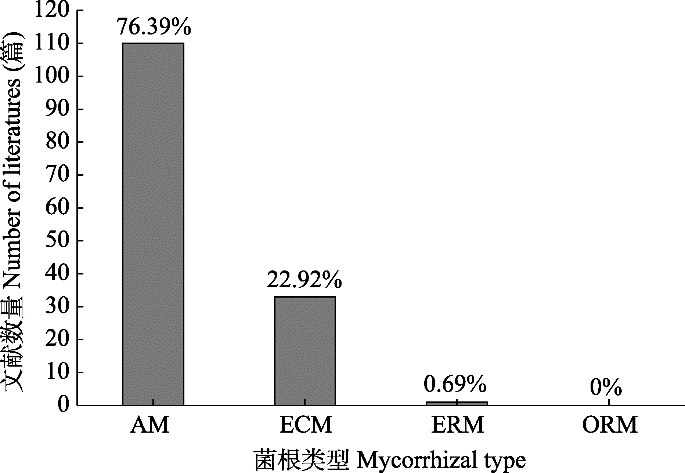
Fig. 1 Number of literatures on different mycorrhizal types in studies of plant species coexistence from 2010 to 2025. AM, arbuscular mycorrhiza; ECM, ectomycorrhiza; ERM, ericoid mycorrhiza; ORM, orchid mycorrhiza.
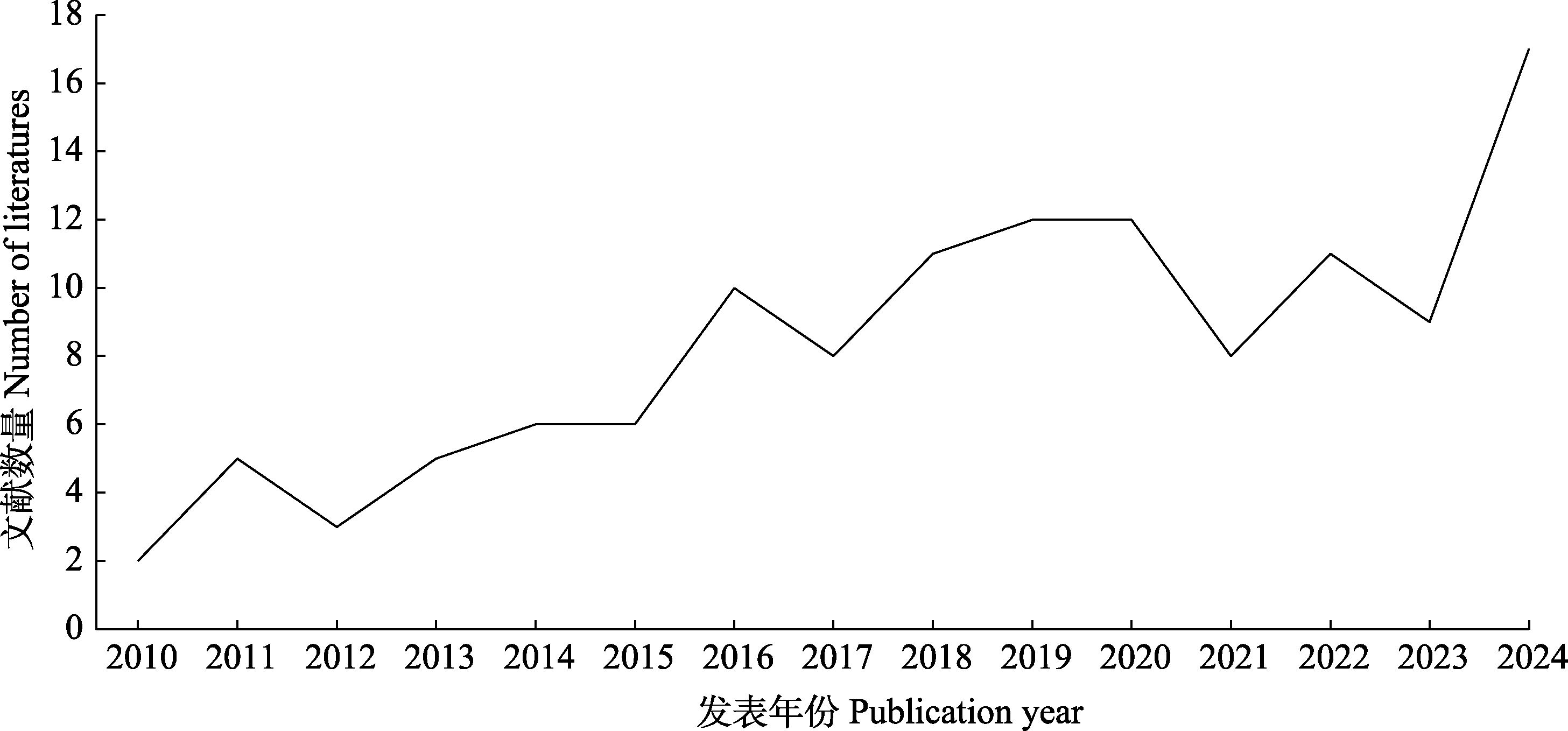
Fig. 2 Number of literatures on mycorrhizal fungi in maintaining plant species coexistence from 2010 to 2024.
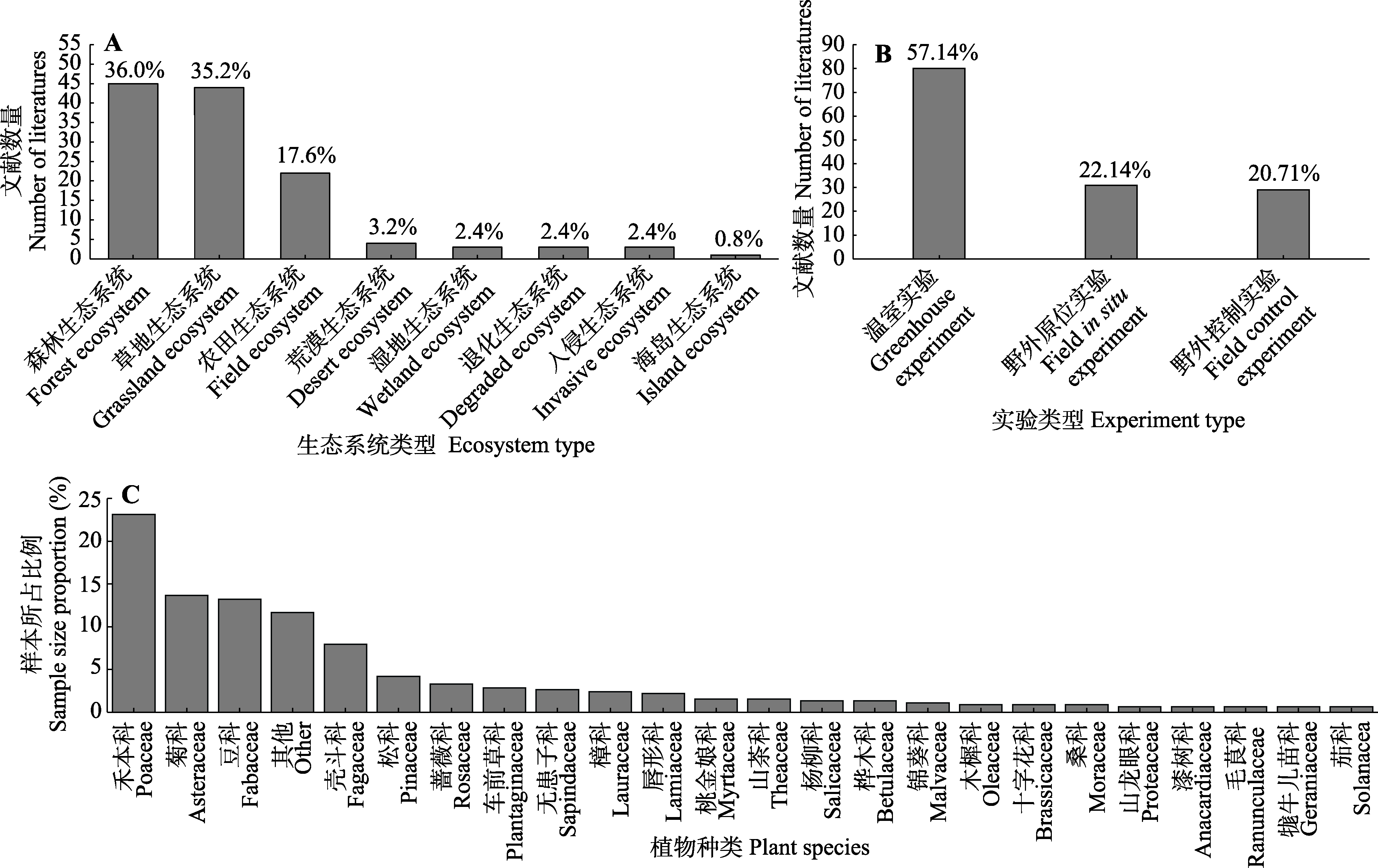
Fig. 3 A literature analysis of studies on the role of mycorrhizal fungi in maintaining plant species coexistence from 2010 to 2025. A, Ecosystem type. B, Experiment type. C, Plant species.
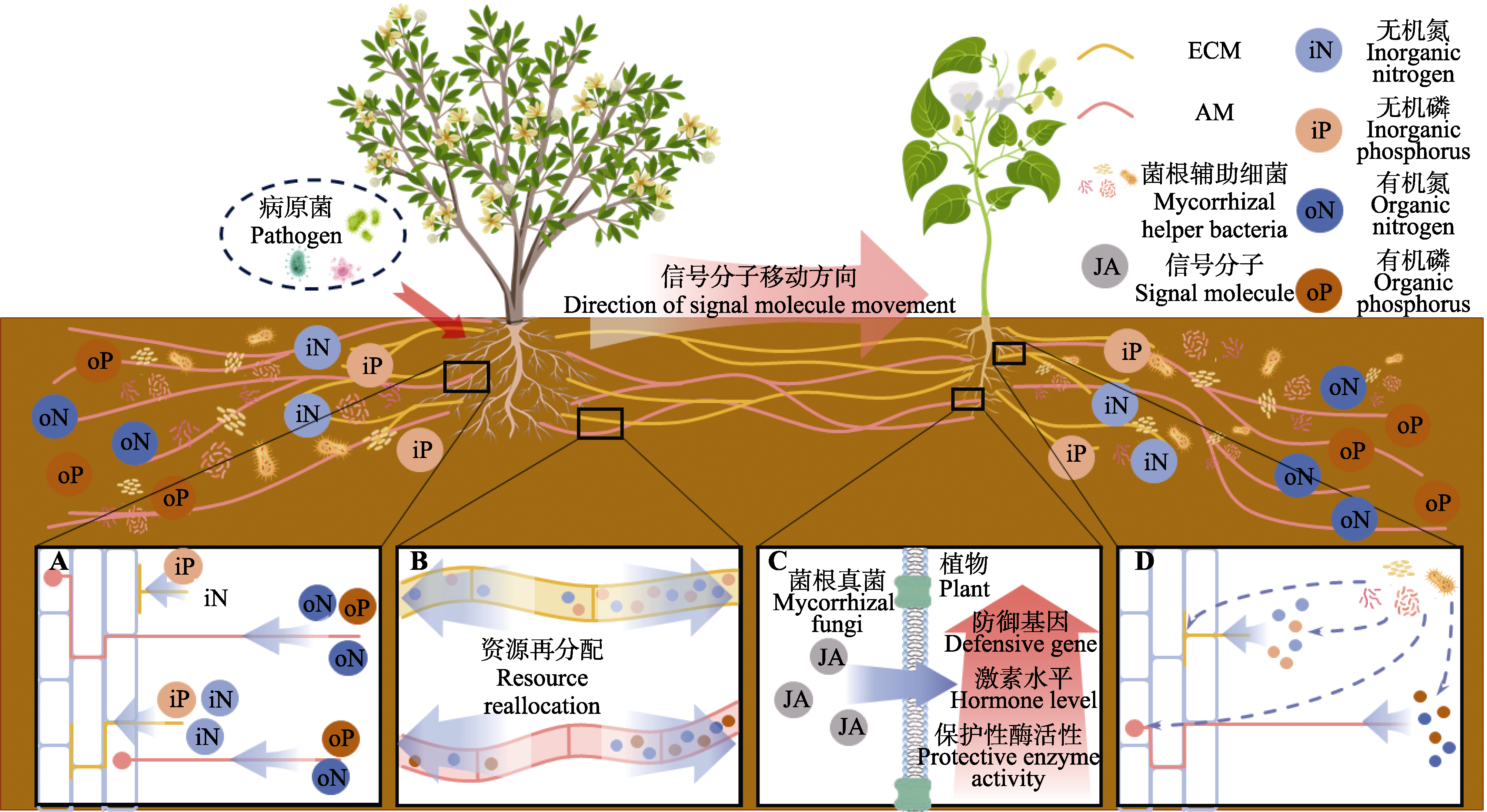
Fig. 4 Mechanisms of mycorrhizal fungi in maintaining plant species coexistence. A, Mycorrhizal fungi drive the differentiation of plant strategies for water and nutrient absorption and utilization. B, CMNs mediate nutrient redistribution among plants. C, Mycorrhizal fungi enhance plant stress resistance. D, Mycorrhizal fungi recruit mycorrhizal helper bacteria (MHB). AM, arbuscular mycorrhizal; ECM, ectomycorrhiza. JA, jasmonic acid.
| [1] |
Achatz M, Morris EK, Müller F, Hilker M, Rillig MC (2014). Soil hypha-mediated movement of allelochemicals: arbuscular mycorrhizae extend the bioactive zone of juglone. Functional Ecology, 28, 1020-1029.
DOI URL |
| [2] | Ahmed N, Li J, Li Y, Deng L, Deng L, Chachar M, Chachar Z, Chachar S, Hayat F, Raza A, Umrani JH, Gong L, Tu P (2025). Symbiotic synergy: how arbuscular mycorrhizal fungi enhance nutrient uptake, stress tolerance, and soil health through molecular mechanisms and hormonal regulation. IMA Fungus, 16, e144989. DOI: 10.3897/imafungus.16.144989. |
| [3] | Alaux PL, Naveau F, Declerck S, Cranenbrouck S (2020). Common mycorrhizal network induced JA/ET genes expression in healthy potato plants connected to potato plants infected by Phytophthora infestans. Frontiers in Plant Science, 11, 602. DOI: 10.3389/fpls.2020.00602. |
| [4] |
Audisio M, Muhr J, Polle A (2024). Ectomycorrhizal fungi of Douglas-fir retain newly assimilated carbon derived from neighboring European beech. New Phytologist, 243, 1980-1990.
DOI URL |
| [5] |
Averill C, Bhatnagar JM, Dietze MC, Pearse WD, Kivlin SN (2019). Global imprint of mycorrhizal fungi on whole-plant nutrient economics. Proceedings of the National Academy of Sciences of the United States of America, 116, 23163-23168.
DOI PMID |
| [6] |
Awaydul A, Zhu W, Yuan Y, Xiao J, Hu H, Chen X, Koide RT, Cheng L (2019). Common mycorrhizal networks influence the distribution of mineral nutrients between an invasive plant, Solidago canadensis, and a native plant, Kummerowa striata. Mycorrhiza, 29, 29-38.
DOI PMID |
| [7] | Babikova Z, Gilbert L, Bruce TJA, Birkett M, Caulfield JC, Woodcock C, Pickett JA, Johnson D (2013). Underground signals carried through common mycelial networks warn neighbouring plants of aphid attack. Ecology Letters, 16, 835-843. |
| [8] | Barto EK, Hilker M, Müller F, Mohney BK, Weidenhamer JD, Rillig MC (2011). The fungal fast lane: common mycorrhizal networks extend bioactive zones of allelochemicals in soils. PLoS ONE, 6, e27195. DOI: 10.1371/journal.pone.0027195. |
| [9] |
Begum N, Qin C, Ahanger MA, Raza S, Khan MI, Ashraf M, Ahmed N, Zhang L (2019). Role of arbuscular mycorrhizal fungi in plant growth regulation: implications in abiotic stress tolerance. Frontiers in Plant Science, 10, 1068. DOI: 10.3389/fpls.2019.01068.
PMID |
| [10] |
Bingham MA, Simard S (2012). Ectomycorrhizal networks of Pseudotsuga menziesii var. glauca trees facilitate establishment of conspecific seedlings under drought. Ecosystems, 15, 188-199.
DOI URL |
| [11] |
Brundrett MC, Tedersoo L (2018). Evolutionary history of mycorrhizal symbioses and global host plant diversity. New Phytologist, 220, 1108-1115.
DOI PMID |
| [12] |
Bunn RA, Corrêa A, Joshi J, Kaiser C, Lekberg Y, Prescott CE, Sala AN, Karst J (2024). What determines transfer of carbon from plants to mycorrhizal fungi? New Phytologist, 244, 1199-1215.
DOI PMID |
| [13] |
Burrows RL, Pfleger FL (2002). Arbuscular mycorrhizal fungi respond to increasing plant diversity. Canadian Journal of Botany, 80, 120-130.
DOI URL |
| [14] |
Cahanovitc R, Livne-Luzon S, Angel R, Klein T (2022). Ectomycorrhizal fungi mediate belowground carbon transfer between pines and oaks. The ISME Journal, 16, 1420-1429.
DOI URL |
| [15] |
Cameron DD, Neal AL, van Wees SCM, Ton J (2013). Mycorrhiza-induced resistance: more than the sum of its parts? Trends in Plant Science, 18, 539-545.
DOI PMID |
| [16] |
Chen L, Swenson NG, Ji N, Mi X, Ren H, Guo L, Ma K (2019). Differential soil fungus accumulation and density dependence of trees in a subtropical forest. Science, 366, 124-128.
DOI PMID |
| [17] |
Chen W, Koide RT, Eissenstat DM (2018). Nutrient foraging by mycorrhizas: from species functional traits to ecosystem processes. Functional Ecology, 32, 858-869.
DOI URL |
| [18] | Cheng S, Zou YN, Kuča K, Hashem A, Abd Allah EF, Wu QS (2021). Elucidating the mechanisms underlying enhanced drought tolerance in plants mediated by arbuscular mycorrhizal fungi. Frontiers in Microbiology, 12, 809473. DOI: 10.3389/fmicb.2021.809473. |
| [19] | Chu W, Guo XL, Zhang C, Zhou LT, Wu ZY, Lin WX (2022). Research progress and future directions of arbuscular mycorrhizal fungi-plant-rhizosphere microbial interaction. Chinese Journal of Eco-Agriculture, 30, 1709-1721. |
| [储薇, 郭信来, 张晨, 周柳婷, 吴则焰, 林文雄 (2022). 丛枝菌根真菌-植物-根际微生物互作研究进展与展望. 中国生态农业学报, 30, 1709-1721.] | |
| [20] |
Comita LS, Muller-Landau HC, Aguilar S, Hubbell SP (2010). Asymmetric density dependence shapes species abundances in a tropical tree community. Science, 329, 330-332.
DOI PMID |
| [21] | Connell JH(1971). On the role of natural enemies in preventing competitive exclusion in some marine animals and in rain forest trees//den Boer PJ, Gradwell GR. Dynamics of Populations. Centre for Agricultural Publishing and Documentation, Wageningen, the Netherlands. |
| [22] |
Dai D, Xing H, Yang JR, Liu YJ, Cai HM, Liu Y (2021). Advances in mechanisms of rare species maintenance and plant-soil feedback in plant communities. Biodiversity Science, 29, 1687-1699.
DOI |
|
[戴冬, 邢华, 杨佳绒, 刘雅静, 蔡焕满, 刘宇 (2021). 植物群落稀有种维持机制与土壤反馈的研究进展. 生物多样性, 29, 1687-1699.]
DOI |
|
| [23] |
Dai J, Kuyper TW, Zhao CR, Liu YL, Zhang CC, Zhang L, Li CJ (2025). Mycorrhizal networks promote interspecific facilitation in P uptake by a maize/faba bean mixture. Plant and Soil, 514, 345-358.
DOI |
| [24] |
Dawson HR, Shek KL, Maxwell TM, Reed PB, Bomfim B, Bridgham SD, Bohannan BJM, Silva LCR (2024). Plant functional types and tissue stoichiometry explain nutrient transfer in common arbuscular mycorrhizal networks of temperate grasslands. Functional Ecology, 38, 2184-2195.
DOI URL |
| [25] |
Donthu N, Kumar S, Mukherjee D, Pandey N, Lim WM (2021). How to conduct a bibliometric analysis: an overview and guidelines. Journal of Business Research, 133, 285-296.
DOI URL |
| [26] | Duan HX, Luo CL, Shi Q, Kang SP, Zhao L, Xiong YC (2025). Research progress in the effects of arbuscular mycorrhizal fungi on plant-soil systems. Acta Ecologica Sinica, 45, 475-491. |
| [段海霞, 罗崇亮, 师茜, 康生萍, 赵玲, 熊友才 (2025). 丛枝菌根真菌对植物-土壤系统的影响研究进展. 生态学报, 45, 475-491] | |
| [27] |
Duan S, Feng G, Limpens E, Bonfante P, Xie X, Zhang L (2024). Cross-kingdom nutrient exchange in the plant-arbuscular mycorrhizal fungus-bacterium continuum. Nature Reviews Microbiology, 22, 773-790.
DOI |
| [28] | Duan SL, Declerck S, Feng G, Zhang L (2023). Hyphosphere interactions between Rhizophagus irregularis and Rahnella aquatilis promote carbon-phosphorus exchange at the peri-arbuscular space in Medicago truncatula. Environmental Microbiology, 25, 867-879. |
| [29] | Duan SL, Jin ZX, Zhang L, Declerck S (2025). Mechanisms of cooperation in the plants-arbuscular mycorrhizal fungi-bacteria continuum. The ISME Journal, 19, wraf023. DOI: 10.1093/ismejo/wraf023. |
| [30] |
Durant E, Hoysted GA, Howard N, Sait SM, Childs DZ, Johnson D, Field KJ (2023). Herbivore-driven disruption of arbuscular mycorrhizal carbon-for-nutrient exchange is ameliorated by neighboring plants. Current Biology, 33, 2566-2573.
DOI URL |
| [31] | Faghihinia M, Jansa J (2022). Mycorrhiza governs plant-plant interactions through preferential allocation of shared nutritional resources: a triple (13C, 15N and 33P) labeling study. Frontiers in Plant Science, 13, 1047270. DOI: 10.3389/fpls.2022.1047270. |
| [32] |
Fei S, Kivlin SN, Domke GM, Jo I, LaRue EA, Phillips RP (2022). Coupling of plant and mycorrhizal fungal diversity: its occurrence, relevance, and possible implications under global change. New Phytologist, 234, 1960-1966.
DOI PMID |
| [33] |
Fellbaum CR, Mensah JA, Cloos AJ, Strahan GE, Pfeffer PE, Kiers ET, Bücking H (2014). Fungal nutrient allocation in common mycorrhizal networks is regulated by the carbon source strength of individual host plants. New Phytologist, 203, 646-656.
DOI PMID |
| [34] | Figueiredo AF, Boy J, Guggenberger G (2021). Common mycorrhizae network: a review of the theories and mechanisms behind underground interactions. Frontiers in Fungal Biology, 2, 735299. DOI: 10.3389/ffunb.2021.735299. |
| [35] |
Gao C, Shi NN, Liu YX, Peay KG, Zheng Y, Ding Q, Mi XC, Ma KP, Wubet T, Buscot F, Guo LD (2013). Host plant genus-level diversity is the best predictor of ectomycorrhizal fungal diversity in a Chinese subtropical forest. Molecular Ecology, 22, 3403-3414.
DOI PMID |
| [36] | Gao YX, Wu YT, Chang PF, Li P, Hu SJ, Liu LL (2025). Mycorrhizal network and symbiotic N-fixer jointly enhance the interplant nitrogen sharing. Ecology Letters, 28, e70204. DOI: 10.1111/ele.70204. |
| [37] |
Gilbert L, Johnson D (2015). Plant-mediated ‘apparent effects’ between mycorrhiza and insect herbivores. Current Opinion in Plant Biology, 26, 100-105.
DOI PMID |
| [38] |
Gille CE, Finnegan PM, Hayes PE, Ranathunge K, Burgess TI, de Tombeur F, Migliorini D, Dallongeville P, Glauser G, Lambers H (2024). Facilitative and competitive interactions between mycorrhizal and nonmycorrhizal plants in an extremely phosphorus-impoverished environment: role of ectomycorrhizal fungi and native oomycete pathogens in shaping species coexistence. New Phytologist, 242, 1630-1644.
DOI URL |
| [39] |
Grinnell J (1917). The niche-relationships of the California Thrasher. The Auk, 34, 427-433.
DOI URL |
| [40] | Guan X, Jiang J, Classen AT, Ullah S, Wang G (2025). Disentangling the contribution of mycorrhizal fungi to soil organic carbon storage. Soil Biology & Biochemistry, 209, 109900. DOI: 10.1016/j.soilbio.2025.109900. |
| [41] |
Haq HU, Hauer A, Singavarapu B, Christel H, Cesarz S, Eisenhauer N, Ferlian O, Bruelheide H, Wubet T (2025). The interactive effect of tree mycorrhizal type, mycorrhizal type mixture and tree diversity shapes rooting zone soil fungal communities in temperate forest ecosystems. Functional Ecology, 39, 1441-1454.
DOI URL |
| [42] |
Hart MM, Reader RJ, Klironomos JN (2001). Life-history strategies of arbuscular mycorrhizal fungi in relation to their successional dynamics. Mycologia, 93, 1186-1194.
DOI URL |
| [43] | He J, van Dingenen J, Goormachtig S, Calonne-Salmon M, Declerck S (2025). Legume-specific recruitment of rhizobia by hyphae of arbuscular mycorrhizal fungi. The ISME Journal, 19, wraf100. DOI: 10.1093/ismejo/wraf100. |
| [44] |
Hiiesalu I, Pärtel M, Davison J, Gerhold P, Metsis M, Moora M, Öpik M, Vasar M, Zobel M, Wilson SD (2014). Species richness of arbuscular mycorrhizal fungi: associations with grassland plant richness and biomass. New Phytologist, 203, 233-244.
DOI PMID |
| [45] |
Hodge A, Campbell CD, Fitter AH (2001). An arbuscular mycorrhizal fungus accelerates decomposition and acquires nitrogen directly from organic material. Nature, 413, 297-299.
DOI |
| [46] | Hoeksema JD, Chaudhary VB, Gehring CA, Johnson NC, Karst J, Koide RT, Pringle A, Zabinski C, Bever JD, Moore JC, Wilson GWT, Klironomos JN, Umbanhowar J (2010). A meta-analysis of context-dependency in plant response to inoculation with mycorrhizal fungi. Ecology Letters, 13, 394-407. |
| [47] | Hubbell SP (2001). The Unified Neutral Theory of Biodiversity and Biogeography. Princeton University Press, Princeton. |
| [48] | Ingraffia R, Giambalvo D, Frenda AS, Roma E, Ruisi P, Amato G (2021). Mycorrhizae differentially influence the transfer of nitrogen among associated plants and their competitive relationships. Applied Soil Ecology, 168, 104127. DOI: 10.1016/j.apsoil.2021.104127. |
| [49] | Jiang YJ, Li SZ, Barnes AD, Liu J, Zhu GF, Luan L, Dini-Andreote F, Geisen S, Sun B (2023). Unraveling the importance of top-down predation on bacterial diversity at the soil aggregate level. Geoderma, 439, 116658. DOI: 10.1016/j.geoderma.2023.116658. |
| [50] |
Jiang YN, Wang WX, Xie QJ, Liu N, Liu LX, Wang DP, Zhang XW, Yang C, Chen XY, Tang DZ, Wang ET (2017). Plants transfer lipids to sustain colonization by mutualistic mycorrhizal and parasitic fungi. Science, 356, 1172-1175.
DOI PMID |
| [51] |
Kiers ET, Duhamel M, Beesetty Y, Mensah JA, Franken O, Verbruggen E, Fellbaum CR, Kowalchuk GA, Hart MM, Bago A, Palmer TM, West SA, Vandenkoornhuyse P, Jansa J, Bücking H (2011). Reciprocal rewards stabilize cooperation in the mycorrhizal symbiosis. Science, 333, 880-882.
DOI PMID |
| [52] | Klein T, Rog I, Livne-Luzon S, van der Heijden MGA, Körner C (2023). Belowground carbon transfer across mycorrhizal networks among trees: Facts, not fantasy. Open Research Europe, 3, 168. DOI: 10.12688/openreseurope.16594.1. |
| [53] |
Klein T, Siegwolf RTW, Körner C (2016). Belowground carbon trade among tall trees in a temperate forest. Science, 352, 342-344.
DOI PMID |
| [54] |
Koide RT, Kabir Z (2000). Extraradical hyphae of the mycorrhizal fungus Glomus intraradices can hydrolyse organic phosphate. New Phytologist, 148, 511-517.
DOI PMID |
| [55] |
Koricheva J, Gange AC, Jones T (2009). Effects of mycorrhizal fungi on insect herbivores: a meta-analysis. Ecology, 90, 2088-2097.
DOI PMID |
| [56] |
Li C, Li H, Hoffland E, Zhang F, Zhang J, Kuyper TW (2022). Common, mycorrhizal networks asymmetrically improve chickpea N and P acquisition and cause overyielding by a millet/chickpea mixture. Plant and Soil, 472, 279-293.
DOI |
| [57] | Li J, Meng B, Chai H, Yang X, Song W, Li S, Lu A, Zhang T, Sun W (2019). Arbuscular mycorrhizal fungi alleviate drought stress in C3 (Leymus chinensis) and C4 (Hemarthria altissima) grasses via altering antioxidant enzyme activities and photosynthesis. Frontiers in Plant Science, 10, 499. DOI: 10.3389/fpls.2019.00499. |
| [58] | Li JJ, Zeng M (2020). Ecological significance of arbuscular mycorrhiza on plant rhizosphere stress. Chinese Journal of Applied Ecology, 31, 3216-3226. |
|
[李娇娇, 曾明 (2020). 丛枝菌根对植物根际逆境的生态学意义. 应用生态学报, 31, 3216-3226.]
DOI |
|
| [59] | Li MC, Bi YL, Yin KJ, Du XP, Tian LX (2024). Arbuscular mycorrhizal fungi regulation of soil carbon fractions in coal mining restoration: dominance of glomalin-related soil proteins revealed by stable carbon isotopes (δ13C). Applied Soil Ecology, 204, 105753. DOI: 10.1016/j.apsoil.2024.105753. |
| [60] | Li W, Liu Q, Xie L, Yin C (2023). Interspecific plant-plant interactions increase the soil microbial network stability, shift keystone microbial taxa, and enhance their functions in mixed stands. Forest Ecology and Management, 533, 120851. DOI: 10.1016/j.foreco.2023.120851. |
| [61] | Li Y, Yan JX, Chen XL (2019). Advances in research on the effects of AM fungi on plant pest control. Journal of Agricultural Biotechnology, 27, 1692-1702. |
| [李洋, 严俊鑫, 陈晓玲 (2019). AM真菌对植物虫害防治作用研究进展. 农业生物技术学报, 27, 1692-1702.] | |
| [62] | Li YD, Wei Y, Shen YL, Zheng RC, Wang YJ, Duan TY, Nan ZB (2025). Common mycorrhizal networks enhance defense responses against pathogens in neighboring plants. iMetaOmics, 2, e46. DOI: 10.1002/imo2.46. |
| [63] |
Liang M, Johnson D, Burslem DFRP, Yu S, Fang M, Taylor JD, Taylor AFS, Helgason T, Liu X (2020). Soil fungal networks maintain local dominance of ectomycorrhizal trees. Nature Communications, 11, 2636. DOI: 10.1038/s41467-020-16507-y.
PMID |
| [64] | Liu HF, Wu Y, Xu HW, Ai ZM, Zhang JY, Liu GB, Xue S (2021). N enrichment affects the arbuscular mycorrhizal fungi-mediated relationship between a C4 grass and a legume. Plant Physiology, 187, 1519-1533. |
| [65] | Liu RJ, Tang M, Chen YL (2017). Recent advances in the study of mycorrhizal fungi and stress resistance of plants. Journal of Fungal Research, 15, 70-88. |
| [刘润进, 唐明, 陈应龙 (2017). 菌根真菌与植物抗逆性研究进展. 菌物研究, 15, 70-88.] | |
| [66] | Mao N, Li XD, Wei XR, Shao MG (2024). The effects of roots and earthworms on aggregate size distribution and their associated carbon under contrasting soil types and soil moisture conditions. Catena, 246, 108434. DOI: 10.1016/j.catena.2024.108434. |
| [67] | Merckx V (2013). Mycoheterotrophy: the Biology of Plants Living on Fungi. Springer, New York. |
| [68] |
Merrild MP, Ambus P, Rosendahl S, Jakobsen I (2013). Common arbuscular mycorrhizal networks amplify competition for phosphorus between seedlings and established plants. New Phytologist, 200, 229-240.
DOI PMID |
| [69] | Molina-Venegas R, Verdú M, Montesinos-Navarro A, Alcántara JM, Garrido JL, Antorán E, Calatayud J (2025). Indirect reciprocal facilitation promotes species coexistence in plant communities worldwide. Nature Ecology & Evolution, 9, 1373-1381. |
| [70] |
Montesinos-Navarro A, Verdú M, Querejeta JI, Sortibrán L, Valiente-Banuet A (2016). Soil fungi promote nitrogen transfer among plants involved in long-lasting facilitative interactions. Perspectives in Plant Ecology, Evolution and Systematics, 18, 45-51.
DOI URL |
| [71] | Mueller CW, Baumert V, Carminati A, Germon A, Holz M, Kögel-Knabner I, Peth S, Schlüter S, Uteau D, Vetterlein D, Teixeira P, Vidal A (2024). From rhizosphere to detritusphere-Soil structure formation driven by plant roots and the interactions with soil biota. Soil Biology & Biochemistry, 193, 109396. DOI: 10.1016/j.soilbio.2024.109396. |
| [72] |
Nguyen NH, Williams LJ, Vincent JB, Stefanski A, Cavender-Bares J, Messier C, Paquette A, Gravel D, Reich PB, Kennedy PG (2016). Ectomycorrhizal fungal diversity and saprotrophic fungal diversity are linked to different tree community attributes in a field-based tree experiment. Molecular Ecology, 25, 4032-4046.
DOI PMID |
| [73] |
Parolo PDB, Pan RK, Ghosh R, Huberman BA, Kaski K, Fortunato S (2015). Attention decay in science. Journal of Informetrics, 9, 734-745.
DOI URL |
| [74] |
Philippot L, Raaijmakers JM, Lemanceau P, van der Putten WH (2013). Going back to the roots: the microbial ecology of the rhizosphere. Nature Reviews Microbiology, 11, 789-799.
DOI PMID |
| [75] |
Phillips RP, Brzostek E, Midgley MG (2013). The mycorrhizal-associated nutrient economy: a new framework for predicting carbon-nutrient couplings in temperate forests. New Phytologist, 199, 41-51.
DOI PMID |
| [76] |
Plamboeck AH, Dawson TE, Egerton-Warburton LM, North M, Bruns TD, Querejeta JI (2007). Water transfer via ectomycorrhizal fungal hyphae to conifer seedlings. Mycorrhiza, 17, 439-447.
DOI PMID |
| [77] | Qiang W, Gunina A, Kuzyakov Y, He LL, Zhang Y, Liu B, Pang XY (2023). Contributions of mycorrhizal fungi to soil aggregate formation during subalpine forest succession. Catena, 221, 106800. DOI: 10.1016/j.catena.2022.106800. |
| [78] | Qin MS, Shi GX, Zhang Q, Meng YM, Liu YJ, Pan JB, Jiang SJ, Zhou GY, Feng HY (2019). Arbuscular mycorrhizal fungi serve as keystone taxa for revegetation on the Tibetan Plateau. Journal of Basic Microbiology, 59, 609-620. |
| [79] |
Qiu W, Kang J, Ye ZM, Yang SD, Tu XJ, Xie PH, Ge JP, Ping WX, Yuan J (2025). Arbuscular mycorrhizal fungi build a bridge for soybeans to recruit Pseudomonas putida. New Phytologist, 246, 1276-1292.
DOI URL |
| [80] |
Read DJ, Perez-Moreno J (2003). Mycorrhizas and nutrient cycling in ecosystems—A journey towards relevance? New Phytologist, 157, 475-492.
DOI PMID |
| [81] |
Řezáčová V, Weremijewicz J, Michalová T (2025). Nutrient exchange within common mycorrhizal networks is altered in a multispecies environment. Functional Ecology, 39, 418-431.
DOI URL |
| [82] |
Rillig MC, Lehmann A, Lanfranco L, Caruso T, Johnson D (2025). Clarifying the definition of common mycorrhizal networks. Functional Ecology, 39, 1411-1417.
DOI URL |
| [83] |
Rimington WR, Duckett JG, Field KJ, Bidartondo MI, Pressel S (2020). The distribution and evolution of fungal symbioses in ancient lineages of land plants. Mycorrhiza, 30, 23-49.
DOI PMID |
| [84] |
Romero F, Argüello A, de Bruin S, van der Heijden MGA (2023). The plant-mycorrhizal fungi collaboration gradient depends on plant functional group. Functional Ecology, 37, 2386-2398.
DOI URL |
| [85] |
Ronsheim ML, Anderson SE (2001). Population-level specificity in the plant-mycorrhizae association alters intraspecific interactions among neighboring plants. Oecologia, 128, 77-84.
DOI PMID |
| [86] | Russell M, Řezáčová V, Miller KS, Nardi WH, Brown M, Weremijewicz J (2025). Common mycorrhizal networks improve survival and mediate facilitative plant interactions among Andropogon gerardii seedlings under drought stress. Mycorrhiza, 35, 8. DOI: 10.1007/s00572-025-01181-z. |
| [87] |
Sanders IR (2003). Preference, specificity and cheating in the arbuscular mycorrhizal symbiosis. Trends in Plant Science, 8, 143-145.
DOI PMID |
| [88] |
Schouteden N, de Waele D, Panis B, Vos CM (2015). Arbuscular mycorrhizal fungi for the biocontrol of plant-parasitic nematodes: a review of the mechanisms involved. Frontiers in Microbiology, 6, 1280. DOI: 10.3389/fmicb.2015.01280.
PMID |
| [89] |
Selosse MA, Richard F, He X, Simard SW (2006). Mycorrhizal networks: des liaisons dangereuses? Trends in Ecology & Evolution, 21, 621-628.
DOI URL |
| [90] |
Shah F, Nicolás C, Bentzer J, Ellström M, Smits M, Rineau F, Canbäck B, Floudas D, Carleer R, Lackner G, Braesel J, Hoffmeister D, Henrissat B, Ahrén D, Johansson T, Hibbett DS, Martin F, Persson P, Tunlid A (2016). Ectomycorrhizal fungi decompose soil organic matter using oxidative mechanisms adapted from saprotrophic ancestors. New Phytologist, 209, 1705-1719.
DOI PMID |
| [91] |
Shi JC, Wang XL, Wang ET (2023). Mycorrhizal symbiosis in plant growth and stress adaptation: from genes to ecosystems. Annual Review of Plant Biology, 74, 569-607.
DOI URL |
| [92] |
Simard SW, Beiler KJ, Bingham MA, Deslippe JR, Philip LJ, Teste FP (2012). Mycorrhizal networks: mechanisms, ecology and modelling. Fungal Biology Reviews, 26, 39-60.
DOI URL |
| [93] | Smith SE, Read DJ (2008). Mycorrhizal Symbiosis. Academic Press, London. |
| [94] | Song YY, Zeng RS, Xu JF, Li J, Shen X, Yihdego WG (2010). Interplant communication of tomato plants through underground common mycorrhizal networks. PLoS ONE, 5, e13324. DOI: 10.1371/journal.pone.0013324. |
| [95] |
Straker CJ (1996). Ericoid mycorrhiza: ecological and host specificity. Mycorrhiza, 6, 215-225.
DOI URL |
| [96] | Tedersoo L, Bahram M, Põlme S, Kõljalg U, Yorou NS, Wijesundera R, Ruiz LV, Vasco-Palacios AM, Thu PQ, Suija A, Smith ME, Sharp C, Saluveer E, Saitta A, Rosas M, et al. (2014). Global diversity and geography of soil fungi. Science, 346, 1256688. DOI: 10.1126/science.1256688. |
| [97] | Tedersoo L, Bahram M, Zobel M (2020). How mycorrhizal associations drive plant population and community biology. Science, 367, eaba1223. DOI: 10.1126/science.aba1223. |
| [98] |
Teste FP, Kardol P, Turner BL, Wardle DA, Zemunik G, Renton M, Laliberté E (2017). Plant-soil feedback and the maintenance of diversity in Mediterranean-climate shrublands. Science, 355, 173-176.
DOI PMID |
| [99] |
Teste FP, Veneklaas EJ, Dixon KW, Lambers H (2015). Is nitrogen transfer among plants enhanced by contrasting nutrient-acquisition strategies? Plant, Cell & Environment, 38, 50-60.
DOI URL |
| [100] | Ullah A, Gao D, Wu F (2024). Common mycorrhizal network: the predominant socialist and capitalist responses of possible plant-plant and plant-microbe interactions for sustainable agriculture. Frontiers in Microbiology, 15, 1183024. DOI: 10.3389/fmicb.2024.1183024. |
| [101] |
van der Heijden MGA, Martin FM, Selosse MA, Sanders IR (2015). Mycorrhizal ecology and evolution: the past, the present, and the future. New Phytologist, 205, 1406-1423.
DOI PMID |
| [102] | van Galen LG, Stewart JD, Qin C, Corrales A, Manley BF, Kiers ET, Crowther TW, van Nuland ME (2025). Global divergence in plant and mycorrhizal fungal diversity hotspots. Nature Communications, 16, 6702. DOI: 10.1038/s41467-025-60106-8. |
| [103] | Veresoglou SD, Xi J, Peñuelas J (2024). Mechanisms of coexistence: exploring species sorting and character displacement in woody plants to alleviate belowground competition. Ecology Letters, 27, e14489. DOI: 10.1111/ele.14489. |
| [104] | Wagg C, McKenzie-Gopsill A (2023). Mycorrhizal fungi reduce fitness differences, but coexistence is determined by differences in intrinsic plant mycorrhizal responsiveness. Journal of Plant Ecology, 16, rtac081. DOI: 10.1093/jpe/rtac081. |
| [105] |
Walder F, Niemann H, Natarajan M, Lehmann MF, Boller T, Wiemken A (2012). Mycorrhizal networks: common goods of plants shared under unequal terms of trade. Plant Physiology, 159, 789-797.
DOI PMID |
| [106] |
Walder F, van der Heijden MGA (2015). Regulation of resource exchange in the arbuscular mycorrhizal symbiosis. Nature Plants, 1, 15159. DOI: 10.1038/nplants.2015.159.
PMID |
| [107] | Wang H, Wu AJ, Liu BX, Liu RJ, Chen YL (2020). Interactions between mycorrhizal fungal diversity and plant diversity: a review. Microbiology China, 47, 3918-3932. |
| [王浩, 吴爱姣, 刘保兴, 刘润进, 陈应龙 (2020). 菌根真菌多样性与植物多样性的相互作用研究进展. 微生物学通报, 47, 3918-3932.] | |
| [108] |
Wang J, Shen Y, Chen YQ, Gao S, Xue W, Chen X, Chen T, Li JM (2025). Arbuscular mycorrhizal fungi regulate the diversity-invasion resistance relationship by influencing the role of complementarity and selection effects. New Phytologist, 246, 317-330.
DOI URL |
| [109] | Wang LY, Li HR, Huang WC, Liu CJ, Wu QH, Luo KS (2023). Effects characteristic of different densities on arbuscular mycorrhizal fungal community structure and symbiotic patterns in rhizosphere soil of Cunninghamia lanceolata plantations. Journal of Central South University of Forestry & Technology, 43, 151-162. |
| [王丽艳, 李虹茹, 黄文超, 刘春江, 吴巧花, 罗坤水 (2023). 不同密度对杉木林根际土壤丛枝菌根真菌群落结构及共生格局的影响特征. 中南林业科技大学学报, 43, 151-162.] | |
| [110] |
Wang Z, Jiang Y, Deane DC, He F, Shu W, Liu Y (2019). Effects of host phylogeny, habitat and spatial proximity on host specificity and diversity of pathogenic and mycorrhizal fungi in a subtropical forest. New Phytologist, 223, 462-474.
DOI PMID |
| [111] |
Weremijewicz J, da Silveira Lobo Lobo O’Reilly Sternberg L, Janos DP (2016). Common mycorrhizal networks amplify competition by preferential mineral nutrient allocation to large host plants. New Phytologist, 212, 461-471.
DOI PMID |
| [112] | Wu H, Chen BD, Zhu YG, Yue XR, Zhang NM, Xia YS (2022). Effects of arbuscular mycorrhizal fungi on growth parameters, nutrient absorption, and interspecific competition of herbs on iron tailings. Pratacultural Science, 39, 465-473. |
| [吴慧, 陈保冬, 朱永官, 岳献荣, 张乃明, 夏运生 (2022). AMF对铁尾矿区草本植物生长参数、营养吸收及种间竞争的影响. 草业科学, 39, 465-473.] | |
| [113] |
Xi NX, de Long JR, Davison J, Kardol P, Forero LE, Zobel M, Semchenko M (2025). Plant-soil microbial interactions as modulators of species coexistence and productivity. Trends in Ecology & Evolution, 40, 673-686.
DOI URL |
| [114] |
Xie L, Yang Y, Ma J, Lin G, Deng J, Robson TM, Peng H, Zhou L, Yu D, Wang QW (2024). Variations in ectomycorrhizal exploration types parallel seedling fine root traits of two temperate tree species under extreme drought and contrasting solar radiation treatments. Plant, Cell & Environment, 47, 5053-5066.
DOI URL |
| [115] |
Xie W, Hao ZP, Zhang X, Chen BD (2022). Research progress and prospect of signal transfer among plants mediated by arbuscular mycorrhizal networks. Chinese Journal of Plant Ecology, 46, 493-515.
DOI |
|
[谢伟, 郝志鹏, 张莘, 陈保冬 (2022). 丛枝菌根网络介导的植物间信号交流研究进展及展望. 植物生态学报, 46, 493-515.]
DOI |
|
| [116] |
Xu YJ, Chen Z, Li XY, Tan J, Liu F, Wu JP (2023). Mycorrhizal fungi alter root exudation to cultivate a beneficial microbiome for plant growth. Functional Ecology, 37, 664-675.
DOI URL |
| [117] |
Xu ZY, Jin GZ (2024). Variation and trade-offs in fine root functional traits of seedlings of different mycorrhizal types in mixed broadleaf-Korean pine forests. Chinese Journal of Plant Ecology, 48, 612-622.
DOI URL |
|
[徐子怡, 金光泽 (2024). 阔叶红松林不同菌根类型幼苗细根功能性状的变异与权衡. 植物生态学报, 48, 612-622.]
DOI |
|
| [118] |
Yan H, Freschet GT, Wang H, Hogan JA, Li S, Valverde-Arrantes OJ, Fu X, Wang R, Dai X, Jiang L, Meng S, Yang F, Zhang M, Kou L (2022a). Mycorrhizal symbiosis pathway and edaphic fertility frame root economics space among tree species. New Phytologist, 234, 1639-1653.
DOI URL |
| [119] | Yan X, Levine JM, Kandlikar GS (2022b). A quantitative synthesis of soil microbial effects on plant species coexistence. Proceedings of the National Academy of Sciences of the United States of America, 119, e2122088119. DOI: 10.1073/pnas.2122088119. |
| [120] | Yang HB, Wang GS, Wang J, Xiao Q, Li ZY, de Clerck C, Meersmans J, Colinet G, Zhang WJ (2024). No-tillage facilitates soil organic carbon sequestration by enhancing arbuscular mycorrhizal fungi-related soil proteins accumulation and aggregation. Catena, 245, 108323. DOI: 10.1016/j.catena.2024.108323. |
| [121] |
Zeng M, Hause B, van Dam NM, Uthe H, Hoffmann P, Krajinski F, Martínez-Medina A 2022). The mycorrhizal symbiosis alters the plant defence strategy in a model legume plant. Plant, Cell & Environment, 45, 3412-3428.
DOI URL |
| [122] |
Zhang L, Zhou J, George TS, Limpens E, Feng G (2022). Arbuscular mycorrhizal fungi conducting the hyphosphere bacterial orchestra. Trends in Plant Science, 27, 402-411.
DOI URL |
| [123] | Zhang X, Jin X, Li J, Dini-Andreote F, Li H, Khashi u Rahman M, Du M, Wu F, Wei Z, Zhou X, van der Heijden MGA, Rillig MC (2025). Common mycorrhizal networks facilitate plant disease resistance by altering rhizosphere microbiome assembly. Cell Host & Microbe, 33, 1765-1778. |
| [124] |
Zhang YC, Liu CY, Wu QS (2017). Mycorrhiza and common mycorrhizal network regulate the production of signal substances in trifoliate orange (Poncirus trifoliata). Notulae Botanicae Horti Agrobotanici Cluj-Napoca, 45, 43-49.
DOI URL |
| [125] |
Zhao R, He G, Zhou D, Li X, Kuyper TW, Zhang F, Zhang J (2025). Arbuscular mycorrhizal fungi enhance nitrate ammonification in hyphosphere soil. New Phytologist, 248, 2516-2527.
DOI URL |
| [126] | Zhong YL, Chu CJ, Myers JA, Gilbert GS, Lutz JA, Stillhard J, Zhu K, Thompson J, Baltzer JL, He FL, LaManna JA, Davies SJ, Aderson-Teixeira KJ, Burslem DFRP, Alonso A, et al. (2021). Arbuscular mycorrhizal trees influence the latitudinal beta-diversity gradient of tree communities in forests worldwide. Nature Communications, 12, 3137. DOI: 10.1038/s41467-021-23236-3. |
| [127] |
Zhou XG, Zhang JY, Khashi u Rahman M, Gao DM, Wei Z, Wu FZ, Dini-Andreote F (2023). Interspecific plant interaction via root exudates structures the disease suppressiveness of rhizosphere microbiomes. Molecular Plant, 16, 849-864.
DOI URL |
| [128] | Zhu YG, Chu HY (2023). Soil Biology. Higher Education Press, Beijing. |
| [朱永官, 褚海燕 (2023). 土壤生物学. 高等教育出版社, 北京.] |
| [1] | CHEN Gang-Gang, ZHU Si-Jie, GUO Liang-Na, FU Fang-Wei, LIU Yu-Zhuo, LI Jiang-Rong. Aboveground and belowground nutrient allocation strategies for trees and shrubs at alpine treeline in Sygera Mountains of the southeastern Qingzang Plateau [J]. Chin J Plant Ecol, 2025, 49(9): 1515-1526. |
| [2] | ZHAO Chang-Ti, XIA Qing-Lin, TIAN Di, CHEN Bing-Rui, ZHU Rui-De, LIU Xiao-Han, YU Guo, JI Cheng-Jun. Effects of long-term nitrogen addition on leaf secondary metabolites of the dominant plant species in a temperate deciduous broad-leaved forest [J]. Chin J Plant Ecol, 2024, 48(12): 1576-1588. |
| [3] | YUAN Ya-Ni, ZHOU Zhe, CHEN Bin-Zhou, GUO Yao-Xin, YUE Ming. Differential ecological strategies in functional traits among coexisting tree species in a Quercus aliena var. acuteserrata forest [J]. Chin J Plant Ecol, 2023, 47(9): 1270-1277. |
| [4] | YANG Jia-Rong, DAI Dong, CHEN Jun-Fang, WU Xian, LIU Xiao-Lin, LIU Yu. Insight into recent studies on the diversity of arbuscular mycorrhizal fungi in shaping plant community assembly and maintaining rare species [J]. Chin J Plant Ecol, 2023, 47(6): 745-755. |
| [5] | XI Nian-Xun, ZHANG Yuan-Ye, ZHOU Shu-Rong. Plant-soil feedbacks in community ecology [J]. Chin J Plant Ecol, 2023, 47(2): 170-182. |
| [6] | XIE Wei, HAO Zhi-Peng, ZHANG Xin, CHEN Bao-Dong. Research progress and prospect of signal transfer among plants mediated by arbuscular mycorrhizal networks [J]. Chin J Plant Ecol, 2022, 46(5): 493-515. |
| [7] | HUANG Yun-Feng,DING Yi,ZANG Run-Guo,LI Xiao-Cheng,ZOU Zheng-Chong,HAN Wen-Tao. Spatial pattern of trees in tropical lowland rain forest in Bawangling of Hainan Island, China [J]. Chin J Plant Ecol, 2012, 36(4): 269-280. |
| [8] | HOU Ji-Hua, MA Ke-Ping. ON MECHANISMS OF SPECIES COEXISTENCE IN PLANT COMMUNITIES [J]. Chin J Plan Ecolo, 2002, 26(增刊): 1-8. |
| [9] | Zhong Zhang-cheng. Studies on Some Ecological Questions of Gordonia acumenata [J]. Chin J Plan Ecolo, 1995, 19(2): 103-114. |
| Viewed | ||||||
|
Full text |
|
|||||
|
Abstract |
|
|||||
Copyright © 2026 Chinese Journal of Plant Ecology
Tel: 010-62836134, 62836138, E-mail: apes@ibcas.ac.cn, cjpe@ibcas.ac.cn

