
Chin J Plant Ecol ›› 2025, Vol. 49 ›› Issue (10): 1583-1599.DOI: 10.17521/cjpe.2025.0003 cstr: 32100.14.cjpe.2025.0003
• Reviews • Previous Articles Next Articles
HE Yi1,*, ZHOU Jing1,*, CHEN Chen1,*, FANG Ting-Zhou1,*, SU Jian1,*, GAO Hao-Jie3,*, CAO Jia-Hao1, YANG Fei-Yu1, FAN Qi-Bo1, ZHU Le-Yao1, CHEN Yi-Ming1, YANG Fei1, WANG Yi-Teng1, FENG Lei2, LIU Fei2, LIANG Shuang1, JIANG Ming-Kai1, CHEN Jun1, ZHAO Yun-Peng1, CHEN Wei-Le1, ZHAO Ying3,**( ), HUANG Jian-Guo1,**()
Received:2025-01-02
Accepted:2025-09-18
Online:2025-10-20
Published:2025-11-20
Contact:
ZHAO Ying, HUANG Jian-Guo
About author:First author contact: Contributed equally to this work
Supported by:HE Yi, ZHOU Jing, CHEN Chen, FANG Ting-Zhou, SU Jian, GAO Hao-Jie, CAO Jia-Hao, YANG Fei-Yu, FAN Qi-Bo, ZHU Le-Yao, CHEN Yi-Ming, YANG Fei, WANG Yi-Teng, FENG Lei, LIU Fei, LIANG Shuang, JIANG Ming-Kai, CHEN Jun, ZHAO Yun-Peng, CHEN Wei-Le, ZHAO Ying, HUANG Jian-Guo. Protection and restoration of endangered tree species on coastal islands of Zhejiang, China[J]. Chin J Plant Ecol, 2025, 49(10): 1583-1599.
Add to citation manager EndNote|Ris|BibTeX
URL: https://www.plant-ecology.com/EN/10.17521/cjpe.2025.0003
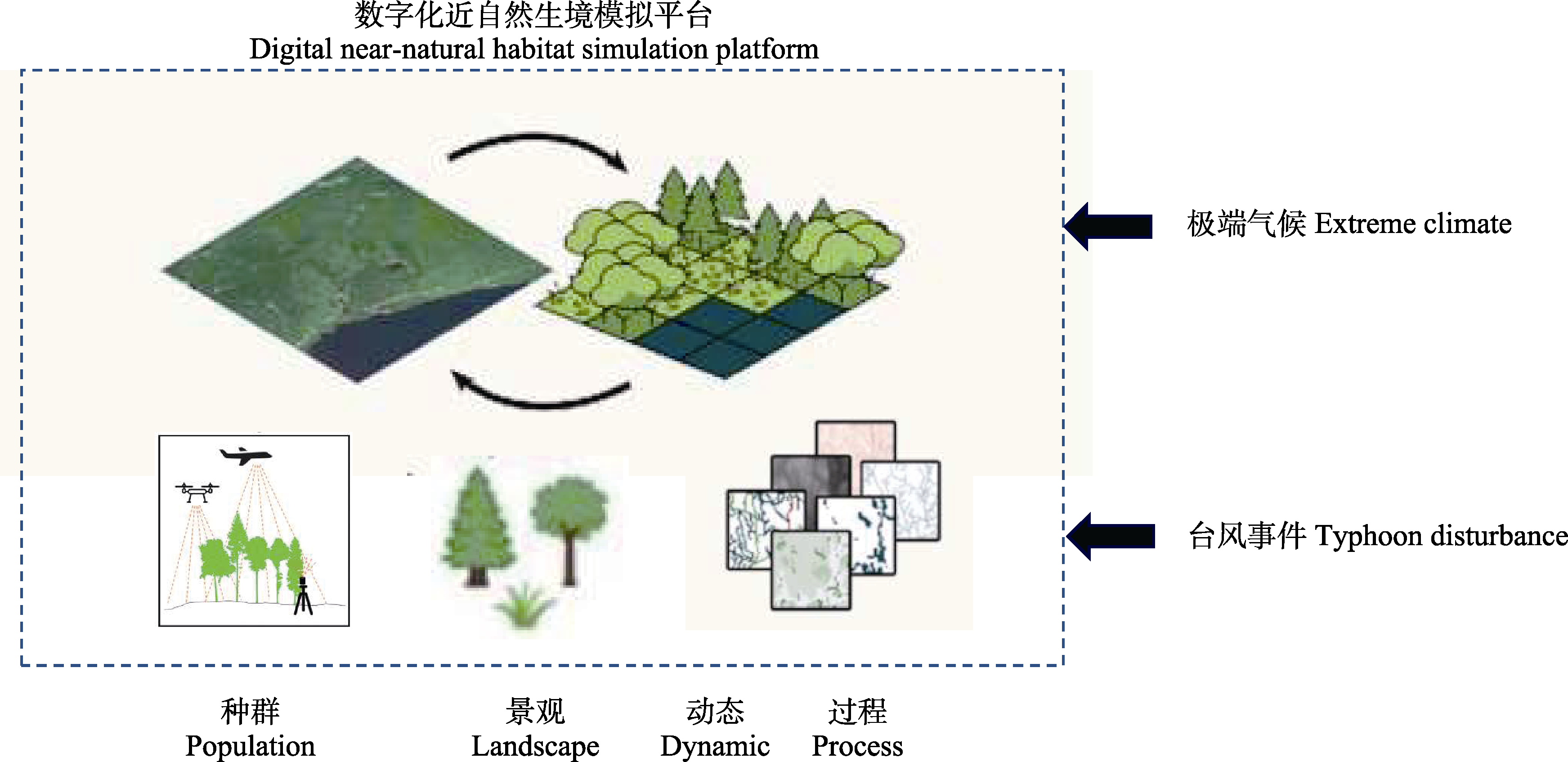
Fig. 1 Summary of digital near-natural habitat simulation platform.
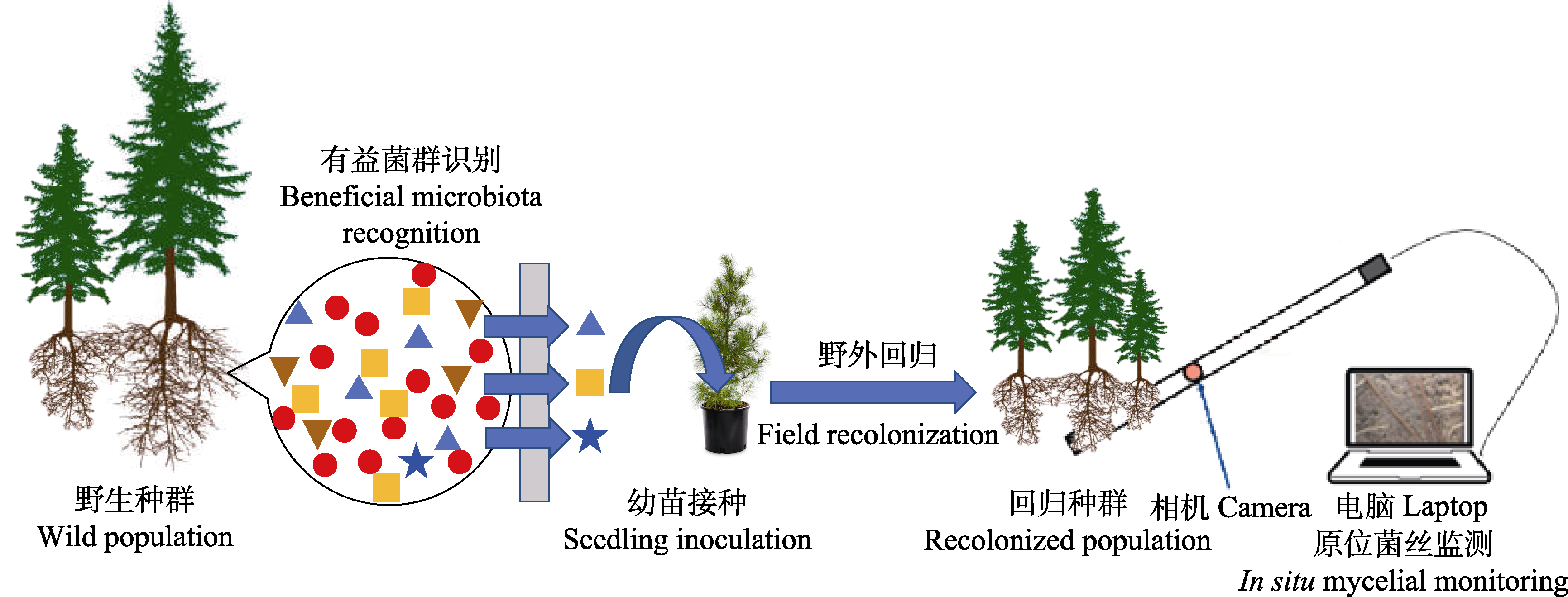
Fig. 2 Microbial technology system for field rejuvenation of endangered tree species.
| 类别 Category | 有居民海岛 Islands with residents | 无居民海岛 Uninhabited islands |
|---|---|---|
| 主要特征 Main characteristics | 人类活动频繁, 建设开发压力大, 存在交通、居住、旅游等多重干扰因素 Frequent human activities, high development pressure, and multiple disturbances such as transportation, habitation, and tourism | 相对封闭, 生态环境较原始, 自然干扰主导, 人工影响较少 Relatively isolated, with a more pristine ecological environment dominated by natural disturbances and minimal human influence |
| 代表性岛屿 Representative islands | 舟山岛、六横岛、岱山岛等 Zhoushan Island, Liuheng Island, Daishan Island, etc. | 滩浒岛、七姊八妹列岛、马鞍列岛等 Tanxu Island, Qizibamei Archipelago, Ma’an Archipelago, etc. |
| 核心威胁因素 Key threat factors | 土地开发、植被破坏、外来物种入侵、旅游踩踏、污染排放等 Land development, vegetation destruction, invasive species, trampling by tourism, and pollution discharge | 极端气候(台风、强风)、种群孤立、传粉与传播限制、种质退化等 Extreme weather (typhoons, strong winds), population isolation, pollination and dispersal limitations, and genetic degradation |
| 保护修复策略 Conservation and restoration strategies | 加强生态用地规划、建立社区共管机制、限制旅游业和海岛开发 Strengthen ecological land-use planning, establish community co-management mechanisms, and restrict tourism and island development | 设立小型自然保护小区、加强种群监测与基因资源保护、限制进入频率和人为干扰 Establish small-scale nature reserves, enhance population monitoring and genetic resource conservation, and limit access frequency and human disturbance |
Table 1 Conservation and restoration of endangered plants on different types of islands
| 类别 Category | 有居民海岛 Islands with residents | 无居民海岛 Uninhabited islands |
|---|---|---|
| 主要特征 Main characteristics | 人类活动频繁, 建设开发压力大, 存在交通、居住、旅游等多重干扰因素 Frequent human activities, high development pressure, and multiple disturbances such as transportation, habitation, and tourism | 相对封闭, 生态环境较原始, 自然干扰主导, 人工影响较少 Relatively isolated, with a more pristine ecological environment dominated by natural disturbances and minimal human influence |
| 代表性岛屿 Representative islands | 舟山岛、六横岛、岱山岛等 Zhoushan Island, Liuheng Island, Daishan Island, etc. | 滩浒岛、七姊八妹列岛、马鞍列岛等 Tanxu Island, Qizibamei Archipelago, Ma’an Archipelago, etc. |
| 核心威胁因素 Key threat factors | 土地开发、植被破坏、外来物种入侵、旅游踩踏、污染排放等 Land development, vegetation destruction, invasive species, trampling by tourism, and pollution discharge | 极端气候(台风、强风)、种群孤立、传粉与传播限制、种质退化等 Extreme weather (typhoons, strong winds), population isolation, pollination and dispersal limitations, and genetic degradation |
| 保护修复策略 Conservation and restoration strategies | 加强生态用地规划、建立社区共管机制、限制旅游业和海岛开发 Strengthen ecological land-use planning, establish community co-management mechanisms, and restrict tourism and island development | 设立小型自然保护小区、加强种群监测与基因资源保护、限制进入频率和人为干扰 Establish small-scale nature reserves, enhance population monitoring and genetic resource conservation, and limit access frequency and human disturbance |
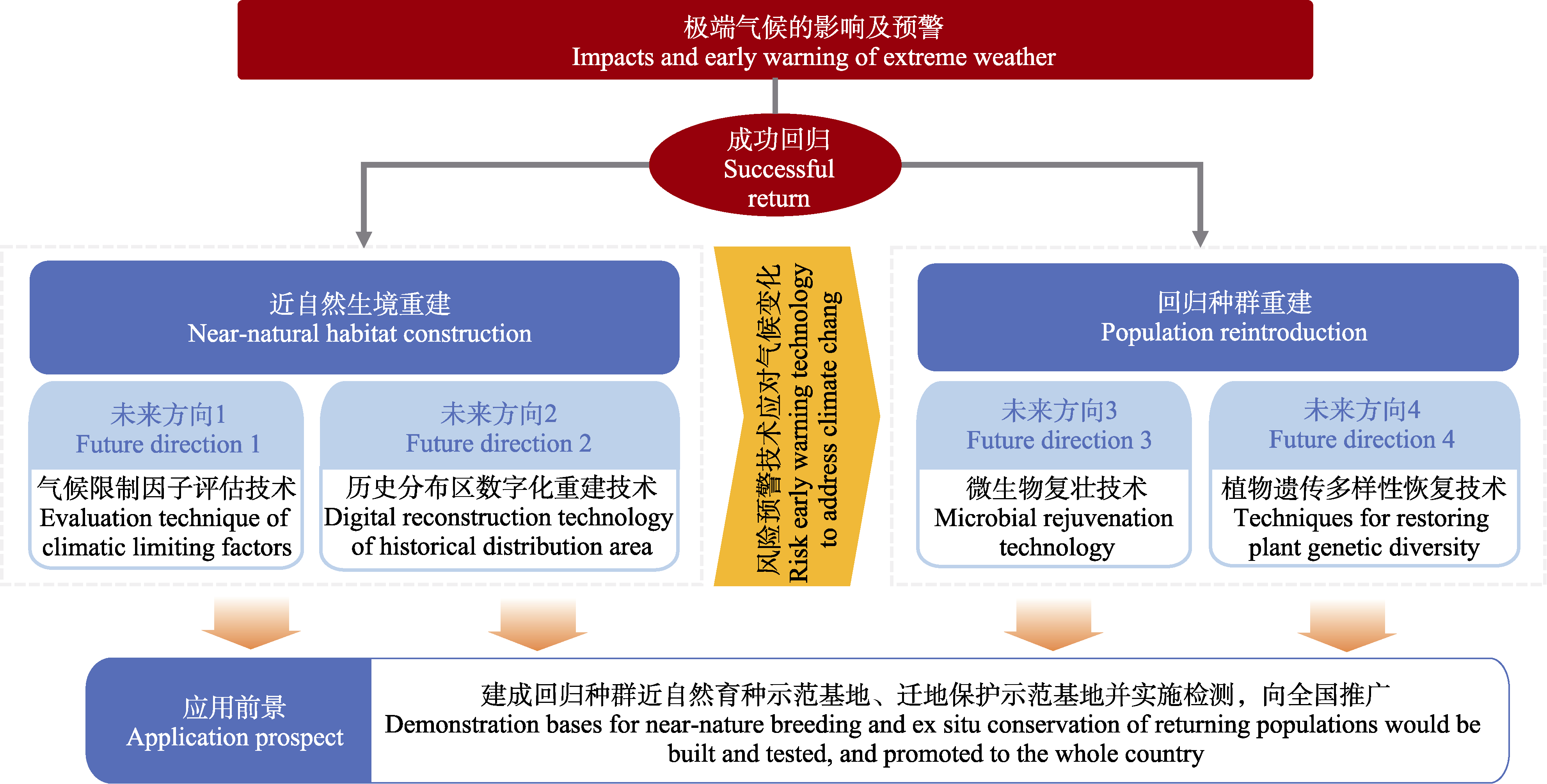
Fig. 3 Logical framework of future research directions.
| [1] |
Araújo MB, Peterson AT (2012). Uses and misuses of bioclimatic envelope modeling. Ecology, 93, 1527-1539.
DOI PMID |
| [2] |
Attorre F, Francesconi F, Taleb N, Scholte P, Saed A, Alfo M, Bruno F (2007). Will dragonblood survive the next period of climate change? Current and future potential distribution of Dracaena cinnabari (Socotra, Yemen). Biological Conservation, 138, 430-439.
DOI URL |
| [3] |
Bai XP, Zhang XL, Li JX, Duan XY, Jin YT, Chen ZJ (2019). Altitudinal disparity in growth of Dahurian larch (Larix gmelinii Rupr.) in response to recent climate change in northeast China. Science of the Total Environment, 670, 466-477.
DOI URL |
| [4] |
Chen L, Huang JG, Alam SA, Zhai LH, Dawson A, Stadt KJ, Comeau PG (2017). Drought causes reduced growth of trembling aspen in western Canada. Global Change Biology, 23, 2887-2902.
DOI PMID |
| [5] |
Chen L, Huang JG, Dawson A, Zhai LH, Stadt KJ, Comeau PG, Whitehouse C (2018). Contributions of insects and droughts to growth decline of trembling aspen mixed boreal forest of western Canada. Global Change Biology, 24, 655-667.
DOI PMID |
| [6] |
Chen WL, Koide RT, Adams TS, DeForest JL, Cheng L, Eissenstat DM (2016). Root morphology and mycorrhizal symbioses together shape nutrient foraging strategies of temperate trees. Proceedings of the National Academy of Sciences of the United States of America, 113, 8741-8746.
DOI PMID |
| [7] |
Chen Z, Ai F, Zhang J, Ma X, Yang W, Wang W, Su Y, Wang M, Yang Y, Mao K, Wang Q, Lascoux M, Liu J, Ma T (2020). Survival in the Tropics despite isolation, inbreeding and asexual reproduction: insights from the genome of the world’s southernmost poplar (Populus ilicifolia). The Plant Journal, 103, 430-442.
DOI URL |
| [8] |
Colasanti RL, Hunt R (1997). Resource dynamics and plant growth: a self-assembling model for individuals, populations and communities. Functional Ecology, 11, 133-145.
DOI URL |
| [9] |
Damgaard C, Weiner J (2008). Modeling the growth of individuals in crowded plant populations. Journal of Plant Ecology, 1, 111-116.
DOI |
| [10] |
Drake JE, Tjoelker MG, Vårhammar A, Medlyn BE, Reich PB, Leigh A, Pfautsch S, Blackman CJ, López R, Aspinwall MJ, Crous KY, Duursma RA, Kumarathunge D, de Kauwe MG, Jiang M, et al. (2018). Trees tolerate an extreme heatwave via sustained transpirational cooling and increased leaf thermal tolerance. Global Change Biology, 24, 2390-2402.
DOI PMID |
| [11] | Du F (2023). Conservation of genetic diversity, the fundamental for integrity and authenticity of terrestrial natural ecosystems in national parks. National Park, 1, 27-33. |
| [杜芳 (2023). 遗传多样性保护: 国家公园自然生态系统原真性和完整性基础. 国家公园, 1, 27-33.] | |
| [12] |
Fan H, Hu Y, Wu Q, Nie Y, Yan L, Wei F (2018). Conservation genetics and genomics of threatened vertebrates in China. Journal of Genetics and Genomics, 45, 593-601.
DOI PMID |
| [13] |
Fisher RA, Koven CD, Anderegg WRL, Christoffersen BO, Dietze MC, Farrior CE, Holm JA, Hurtt GC, Knox RG, Lawrence PJ, Lichstein JW, Longo M, Matheny AM, Medvigy D, Muller-Landau HC, et al. (2018). Vegetation demographics in Earth System Models: a review of progress and priorities. Global Change Biology, 24, 35-54.
DOI PMID |
| [14] | Fu XQ (2014). Study on the critical techniques of vegetative propagation for Chinese yew. Journal of Chongqing Normal University (Natural Science), 31(4), 150-154. |
| [付秀琴 (2014). 红豆杉无性繁殖关键技术研究. 重庆师范大学学报(自然科学版), 31(4), 150-154.] | |
| [15] |
Guillera-Arroita G, Lahoz-Monfort JJ, Elith J, Gordon A, Kujala H, Lentini PE, McCarthy MA, Tingley R, Wintle BA (2015). Is my species distribution model fit for purpose? Matching data and models to applications. Global Ecology and Biogeography, 24, 276-292.
DOI URL |
| [16] | Guo FL, Xu GB, Mou HL, Li Z (2020). Simulation of potential spatiotemporal population dynamics of Bretschneidera sinensis Hemsl. based on MaxEnt model. Plant Science Journal, 38, 185-194. |
| [郭飞龙, 徐刚标, 牟虹霖, 李赞 (2020). 伯乐树潜在地理分布时空格局模拟. 植物科学学报, 38, 185-194.] | |
| [17] | Guo Y, Lu Y, El-Kassaby YA, Feng L, Wang GB, Wang TL (2019). Predicting growth and habitat responses of Ginkgo biloba L. to climate change. Annals of Forest Science, 76, 101. DOI: 10.1007/s13595-019-0885-0. |
| [18] | Han CR (2010). Analysis of the Dynamic Changes of the Half-day Flower Landscape in Ordos and the Reasons for Its Endangerment. Master degree dissertation, Inner Mongolia Agricultural University, Hohhot. |
| [韩春荣 (2010). 鄂尔多斯半日花景观动态及其濒危原因分析. 硕士学位论文, 内蒙古农业大学, 呼和浩特.] | |
| [19] |
Hara T (1986). Growth of individuals in plant populations. Annals of Botany, 57, 55-68
DOI URL |
| [20] |
Hu SQ, Ding BY, Chen ZH (2002). The critical regions for conservation of rare and endangered plant species diversity in Zhejiang Province. Biodiversity Science, 10, 15-23.
DOI URL |
|
[胡绍庆, 丁炳扬, 陈征海 (2002). 浙江省珍稀濒危植物物种多样性保护的关键区域. 生物多样性, 10, 15-23.]
DOI |
|
| [21] |
Huang JG, Guo XL, Rossi S, Zhai LH, Yu BY, Zhang SK, Zhang MF (2018). Intra-annual wood formation of subtropical Chinese red pine shows better growth in dry season than wet season. Tree Physiology, 38, 1225-1236.
DOI URL |
| [22] | Huang JG, Ma Q, Rossi S, Biondi F, Deslauriers A, Fonti P, Liang E, Mäkinen H, Oberhuber W, Rathgeber CBK, Tognetti R, Treml V, Yang B, Zhang JL, Antonucci S, et al. (2020). Photoperiod and temperature as dominant environmental drivers triggering secondary growth resumption in Northern Hemisphere conifers. Proceedings of the National Academy of Sciences of the United States of America, 117, 20645-20652. |
| [23] |
Huang Y, Zeng Y, Jiang P, Chen H, Yang JT (2022). Prediction of potential geographic distribution of endangered relict tree species Dipteronia sinensis in China based on MaxEnt and GIS. Polish Journal of Environmental Studies, 31, 3597-3609.
DOI URL |
| [24] | IPCC (Intergovernmental Panel on Climate Change)(2023). Climate Change 2023: Synthesis Report. Contribution of Working Groups I, II and III to the Sixth Assessment Report of the Intergovernmental Panel on Climate Change. IPCC, Geneva, Switzerland. |
| [25] |
Jiménez-Valverde A, Lobo JM, Hortal J (2008). Not as good as they seem: the importance of concepts in species distribution modelling. Diversity and Distributions, 14, 885-890.
DOI URL |
| [26] |
Johnson J, Evans C, Brown N, Skeates S, Watkinson S, Bass D (2014). Molecular analysis shows that soil fungi from ancient semi-natural woodland exist in sites converted to non-native conifer plantations. Forestry: an International Journal of Forest Research, 87, 705-717.
DOI URL |
| [27] |
Kumarathunge DP, Medlyn BE, Drake JE, Tjoelker MG, Aspinwall MJ, Battaglia M, Cano FJ, Carter KR, Cavaleri MA, Cernusak LA, Chambers JQ, Crous KY, de Kauwe MG, Dillaway DN, Dreyer E, et al. (2019). Acclimation and adaptation components of the temperature dependence of plant photosynthesis at the global scale. New Phytologist, 222, 768-784.
DOI PMID |
| [28] | Li FR, Lu SG, Sun WB (2024a). Comparison of rhizosphere bacterial communities of Pinus squamata, a plant species with extremely small populations (PSESP) in different conservation sites. Microorganisms, 12, 638. DOI: 10.3390/microorganisms12040638. |
| [29] | Li WN, Ullah S, Liu F, Deng FC, Han XM, Huang SD, Xu YY, Yang M (2024b). Synergistic variation of rhizosphere soil phosphorus availability and microbial diversity with stand age in plantations of the endangered tree species Parashorea chinensis. Frontiers in Plant Science, 15, 1372634. DOI: 10.3389/fpls.2024.1372634. |
| [30] |
Lin HY, Yang Y, Li WH, Luo YX, Bai XH, Ohi-Toma T, Kim C, Kim JH, Zhao YP (2024). Species boundaries and conservation implications of Cinnamomum japonicum, an endangered plant in China. Journal of Systematics and Evolution, 62, 73-83.
DOI URL |
| [31] | Liu M, Li XY, Yang LY, Chen KY, Shama Z, Jiang X, Yang JT, Zhao GH, Huang Y (2024). Prediction of the potential distribution and conservation strategies of the endangered plant Tapiscia sinensis. Forests, 15, 1677. DOI: 10.3390/f15091677. |
| [32] | Liu XT (2019). Predicting the Suitable Distribution Area of Abies beshanzuensis: to Explor the Potential Dispersion of the Plant Species with Extremely Small Populations. Master degree dissertation, Zhejiang Normal University, Jinhua, Zhejiang. |
| [刘晓彤 (2019). 百山祖冷杉适宜分布区模拟: 寻找极小种群扩散的潜在分布区. 硕士学位论文, 浙江师范大学, 浙江金华.] | |
| [33] |
Looy CV, Twitchett RJ, Dilcher DL, van Konijnenburg-Van Cittert JH, Visscher H (2001). Life in the end-Permian dead zone. Proceedings of the National Academy of Sciences of the United States of America, 98, 7879-7883.
PMID |
| [34] |
McMichael AJ, Woodruff RE, Hales S (2006). Climate change and human health: present and future risks. Lancet, 367, 859-869.
DOI PMID |
| [35] |
Merow C, Smith MJ, Silander JA Jr (2013). A practical guide to MaxEnt for modeling species’ distributions: what it does, and why inputs and settings matter. Ecography, 36, 1058-1069.
DOI URL |
| [36] | Müller R, Kaj I, Mugal CF (2022). A nearly neutral model of molecular signatures of natural selection after change in population size. Genome Biology and Evolution, 14. DOI: 10.1093/gbe/evac058. |
| [37] | Parkinson D, Coleman DC (1991). Microbial communities, activity and biomass. Agriculture, Ecosystems & Environment, 34, 3-33. |
| [38] |
Prebble M, Dowe JL (2008). The late Quaternary decline and extinction of palms on oceanic Pacific islands. Quaternary Science Reviews, 27, 2546-2567.
DOI URL |
| [39] |
Ren P, Rossi S, Camarero JJ, Ellison AM, Liang EY, Peñuelas J (2018). Critical temperature and precipitation thresholds for the onset of xylogenesis of Juniperus przewalskii in a semi-arid area of the north-eastern Tibetan Plateau. Annals of Botany, 121, 617-624.
DOI URL |
| [40] |
Rigg JL, Offord CA, Singh BK, Anderson IC, Clarke S, Powell JR (2016). Variation in soil microbial communities associated with critically endangered Wollemi pine affects fungal, but not bacterial, assembly within seedling roots. Pedobiologia, 59, 61-71.
DOI URL |
| [41] |
Rigg JL, Offord CA, Zimmer H, Anderson IC, Singh BK, Powell JR (2017). Conservation by translocation: establishment of Wollemi pine and associated microbial communities in novel environments. Plant and Soil, 411, 209-225.
DOI URL |
| [42] |
Rossi S, Deslauriers A (2007). Intra-annual time scales in tree rings. Dendrochronologia, 25, 75-77.
DOI URL |
| [43] |
Rossi S, Deslauriers A, Anfodillo T (2006). Assessment of cambial activity and xylogenesis by microsampling tree species: an example at the alpine timberline. IAWA Journal, 27, 383-394.
DOI URL |
| [44] | Rozenberg P, Chauvin T, Escobar-Sandoval M, Huard F, Shishov V, Charpentier JP, Sergent AS, Vargas-Hernandez JJ, Martinez-Meier A, Pâques L (2020). Climate warming differently affects Larix decidua ring formation at each end of a French Alps elevational gradient. Annals of Forest Science, 77, 54. DOI: 10.1007/s13595-020-00958-w. |
| [45] | Schrum P, Scheller RM, Duveneck MJ, Lucash MS (2020). Base-Hurricane: a new extension for the Landis-II forest landscape model. Environmental Modelling & Software, 133, 104833. DOI: 10.1016/j.envsoft.2020.104833. |
| [46] | Shi SQ, Qin HG, Zhang JJ, Han Y, Yu H, Peng YN, Yang S, Wang JY, He GY, Qi ZH, Wu WJ, Zhu XY, Rao YC, Mu D (2022). Characteristics and function analysis of rhizosphere bacterial community of endangered plant Pinus dabeshanensis. Chinese Bulletin of Botany, 57, 457-467. |
|
[石水琴, 秦华光, 张静静, 韩钰, 余淏, 彭怡宁, 杨邵, 汪嘉怡, 何光宇, 岂泽华, 吴文杰, 朱星雨, 饶玉春, 穆丹 (2022). 濒危植物大别山五针松根际细菌群落特征与功能分析. 植物学报, 57, 457-467.]
DOI |
|
| [47] |
Shi X, Ruan X, Li SX, Liao WJ, Bai L (2022). Review of ecological restoration studies on island and seashore characteristic habitats. Geographical Science Research, 11, 648-654.
DOI URL |
| [施翔, 阮秀, 李世禧, 廖玮杰, 白磊 (2022). 海岛及海滨特色生境生态修复研究综述. 地理科学研究, 11, 648-654.] | |
| [48] |
Smith B, Wårlind D, Arneth A, Hickler T, Leadley P, Siltberg J, Zaehle S (2014). Implications of incorporating N cycling and N limitations on primary production in an individual-based dynamic vegetation model. Biogeosciences, 11, 2027-2054.
DOI URL |
| [49] |
Sugiyama Y, Murata M, Kanetani S, Nara K (2019). Towards the conservation of ectomycorrhizal fungi on endangered trees: native fungal species on Pinus amamiana are rarely conserved in trees planted ex situ. Mycorrhiza, 29, 195-205.
DOI PMID |
| [50] | Sun CL, Feng XM (2024). Ignoring plant physiological responses to elevated CO2 will overestimate terrestrial vertebrate biodiversity loss under global climate change. Earth’s Future, 12, e2023EF003800. DOI: 10.1029/2023EF003800. |
| [51] | Tan XS, Duan RY, Zou L, Zhang H, Hu W (2023). Effects of global warming on habitat suitability of Ilex kaushue, a plant with an extremely small population. Life Science Research, 27(1), 56-62. |
| [谭显胜, 段仁燕, 邹乐, 张涵, 胡伟 (2023). 全球气候变暖对极小种群植物扣树生境适宜性的影响. 生命科学研究, 27(1), 56-62.] | |
| [52] |
Tershy BR, Shen KW, Newton KM, Holmes ND, Croll DA (2015). The importance of islands for the protection of biological and linguistic diversity. BioScience, 65, 592-597.
DOI URL |
| [53] |
Thakur MP, Geisen S (2019). Trophic regulations of the soil microbiome. Trends in Microbiology, 27, 771-780.
DOI PMID |
| [54] |
Thakur MP, van der Putten WH, Wilschut RA, Veen GF, Kardol P, van Ruijven J, Allan E, Roscher C, van Kleunen M, Bezemer TM (2021). Plant-soil feedbacks and temporal dynamics of plant diversity-productivity relationships. Trends in Ecology & Evolution, 36, 651-661.
DOI URL |
| [55] | Tian K, Zhang GX, Cheng XF, He SJ, Yang YM, Yang YX (2003). The habitat fragility of Manglietiastrum sinicum. Acta Botanica Yunnanica, 25, 551-556. |
| [田昆, 张国学, 程小放, 和世钧, 杨宇明, 杨永兴 (2003). 木兰科濒危植物华盖木的生境脆弱性. 云南植物研究, 25, 551-556.] | |
| [56] | Torres-Díaz C, Valladares MA, Acuña-Rodríguez IS, Ballesteros GI, Barrera A, Atala C, Molina-Montenegro MA (2021). Symbiotic interaction enhances the recovery of endangered tree species in the fragmented maulino forest. Frontiers in Plant Science, 12, 663017. DOI: 10.3389/fpls.2021.663017. |
| [57] |
van der Heijden MGA, Martin FM, Selosse MA, Sanders IR (2015). Mycorrhizal ecology and evolution: the past, the present, and the future. New Phytologist, 205, 1406-1423.
DOI PMID |
| [58] |
van der Putten WH (2017). Belowground drivers of plant diversity. Science, 355, 134-135.
DOI PMID |
| [59] |
Walker L, Powell E (1999). Regeneration of the Mauna Kea silversword Argyroxiphium sandwicense (Asteraceae) in Hawaii. Biological Conservation, 89, 61-70.
DOI URL |
| [60] |
Wang F, Liu CH, Cheng Z, Han LZ, Xia JX (2024). Potential distribution areas prediction of endangered species—Heritiera littoralis based on MaxEnt modeling in China. Polish Journal of Environmental Studies, 33, 2359-2372.
DOI URL |
| [61] | Wang GM, Xu SH, Ye ZJ, Miao SJ (1998). Distribution and protection of rare and endangered plants in Zhoushan Islands. Journal of Zhejiang A&F University, 15(2), 181-186. |
| [王国明, 徐树华, 叶志军, 苗世军 (1998). 舟山群岛珍稀濒危植物的分布与保护. 浙江林学院学报, 15(2), 181-186.] | |
| [62] | Wang YS, Wang ZH, Xing HF, Li JW, Sun S (2019). Prediction of potential suitable distribution of Davidia involucrata Baill in China based on MaxEnt. Chinese Journal of Ecology, 38, 1230-1237. |
| [王雨生, 王召海, 邢汉发, 厉静文, 孙硕 (2019). 基于MaxEnt模型的珙桐在中国潜在适生区预测. 生态学杂志, 38, 1230-1237.] | |
| [63] | Wang Z, Deng Q, Su YJ (2016). Habitat soil properties of the natural population of Pseudotaxus chienii. Ecological Science, 35(5), 208-213. |
| [王桢, 邓琦, 苏应娟 (2016). 中国特有濒危植物白豆杉生长地的土壤性状分析. 生态科学, 35(5), 208-213.] | |
| [64] | Weeks AR, Stoklosa J, Hoffmann AA (2016). Conservation of genetic uniqueness of populations may increase extinction likelihood of endangered species: the case of Australian mammals. Frontiers in Zoology, 13, 31. DOI: 10.1186/s12983-016-0163-z. |
| [65] | Wei X, Chai SF, Jiang YS, Tang H, Li F, Zhao RF (2010). Seed reproduction and biological characteristics of Camellia nitidissima. Guihaia, 30, 215-219. |
| [韦霄, 柴胜丰, 蒋运生, 唐辉, 李锋, 赵瑞峰 (2010). 珍稀濒危植物金花茶种子繁殖和生物学特性研究. 广西植物, 30, 215-219.] | |
| [66] | Willi Y, Kristensen TN, Sgrò CM, Weeks AR, Ørsted M, Hoffmann AA (2022). Conservation genetics as a management tool: the five best-supported paradigms to assist the management of threatened species. Proceedings of the National Academy of Sciences of the United States of America, 119(1), e2105076119. DOI: 10.1073./pnas. 2105076119. |
| [67] | Wu CZ, Li XM, Lü LL, Hou CY, Cao RQ, Hu XS (2019). Analysis of woody plant species characteristics of major islands in Zhejiang Province. Journal of Forest and Environment, 39, 367-371. |
| [吴承祯, 李晓明, 吕林玲, 侯纯扬, 曹荣青, 胡喜生 (2019). 浙江主要海岛木本植物物种组成特征分析. 森林与环境学报, 39, 367-371.] | |
| [68] | Wu FQ, Shen SK, Zhang XJ, Wang YH, Sun WB (2014). Genetic diversity and population structure of an extremely endangered species: the world’s largest Rhododendron. AoB Plants, 7, plu082. DOI: 10.1093/aobpla/plu082. |
| [69] | Wu XQ, Huang BL, Ding YL (2004). The advance on the study of protection of rare and endangered plants in China. Journal of Nanjing Forestry University (Natural Science Edition), 28(2),72-76. |
|
[吴小巧, 黄宝龙, 丁雨龙 (2004). 中国珍稀濒危植物保护研究现状与进展. 南京林业大学学报(自然科学版), 28(2), 72-76.]
DOI |
|
| [70] | Xiao JH, Ding X, Cai CN, Zhang CY, Zhang XY, Li L, Li J (2021). Simulation of the potential distribution of Phoebe bournei with climate changes using the maximum-entropy (MaxEnt) model. Acta Ecologica Sinica, 41, 5703-5712. |
| [肖建华, 丁鑫, 蔡超男, 张灿瑜, 张晓妍, 李朗, 李捷 (2021). 闽楠(Phoebe bournei, Lauraceae)地理分布及随气候变化的分布格局模拟. 生态学报, 41, 5703-5712.] | |
| [71] | Xie YQ, Huang H, Wang CX, He YQ, Jiang YX, Liu ZL, Deng CY, Zheng YS (2023). Determinants of species-area relationship and species richness of coastal endemic plants in the Fujian islands. Biodiversity Science, 31(5), 5-14. |
| [谢艳秋, 黄晖, 王春晓, 何雅琴, 江怡萱, 刘子琳, 邓传远, 郑郁善 (2023). 福建海岛滨海特有植物种-面积关系及物种丰富度决定因素. 生物多样性, 31(5), 5-14.] | |
| [72] | Yan C, Wang ZS, An SQ, Chen SN, Wei N, Lu XM (2008). Differences in photosynthetic capacity among different diameter-classes of Parrotia subaequalis populations and their implications to regeneration limitation. Acta Ecologica Sinica, 28, 4153-4161. |
| [颜超, 王中生, 安树青, 陈姝凝, 魏娜, 陆霞梅 (2008). 濒危植物银缕梅(Parrotia subaequalis)不同径级个体的光合能力差异与更新限制. 生态学报, 28, 4153-4161.] | |
| [73] | Yan QX, Li XY, Wang K, Gao XY, Lin CH, He TB (2016). Analysis on the soil nutrient and enzymatic activity in rare and endangered plant Abies fanjingshanensis forest. Northern Horticulture, (17), 167-171. |
| [颜秋晓, 李相楹, 王科, 高晓宇, 林昌虎, 何腾兵 (2016). 珍稀濒危植物梵净山冷杉林土壤养分及酶活性分析. 北方园艺, (17), 167-171.] | |
| [74] |
Yang L, Liang SQ, Pan JM, Wei JX, Ding T, Jiang RH, Shao YZ, Zhang XC, Liu YB, Xiang QP (2023). Species delimitation and genetic conservation of the endangered firs Abies beshanzuensis and A. ziyuanensis. Chinese Journal of Plant Ecology, 47, 1629-1645.
DOI URL |
|
[杨玲, 梁思琪, 潘佳明, 韦金鑫, 丁涛, 蒋日红, 邵毅贞, 张宪春, 刘勇波, 向巧萍 (2023). 濒危植物百山祖冷杉和资源冷杉的物种划分及其遗传资源的保护. 植物生态学报, 47, 1629-1645.]
DOI |
|
| [75] | Yang YZ, Ma T, Wang ZF, Lu ZQ, Li Y, Fu CX, Chen XY, Zhao MS, Olson MS, Liu JQ (2018). Genomic effects of population collapse in a critically endangered ironwood tree Ostrya rehderiana. Nature Communications, 9, 5449. DOI: 10.1038/s41467-018-07913-4. |
| [76] | Yesuf GU, Brown KA, Walford NS, Rakotoarisoa SE, Rufino MC (2021). Predicting range shifts for critically endangered plants: Is habitat connectivity irrelevant or necessary? Biological Conservation, 256, 109033. DOI: 10.1016/j.biocon.2021.109033. |
| [77] | Yi SR, Huang Y, Xiao B, Quan J, Han F, Wei ZQ, Cao HQ (2012). A preliminary study of the dynamic variation of rhizosphere microorganism communities of the endangered plant Cathaya argyrophylla. Journal of Southwest University (Natural Science Edition), 34(12), 48-53. |
| [易思荣, 黄娅, 肖波, 全健, 韩风, 韦中强, 曹厚强 (2012). 濒危植物银杉根际微生物群落动态变化研究. 西南大学学报(自然科学版), 34(12), 48-53.] | |
| [78] | Zhang HT, Wang WT (2023). Prediction of the potential distribution of the endangered species Meconopsis punicea maxim under future climate change based on four species distribution models. Plants, 12, 1376. DOI: 10.3390/ plants12061376. |
| [79] | Zhang JJ, Chai SF, Lv SH, Shi YC, Jiang YS, Wei X (2017). The habitat characteristics and analysis on endangering factors of rare and endangered plant Garcinia paucinervis. Ecology and Environmental Sciences, 26, 582-589. |
| [张俊杰, 柴胜丰, 吕仕洪, 史艳财, 蒋运生, 韦霄 (2017). 珍稀濒危植物金丝李的生境特征及致濒原因分析. 生态环境学报, 26, 582-589.] | |
| [80] | Zhang WX, Kou YX, Zhang L, Zeng WD, Zhang ZY (2020). Suitable distribution of endangered species Pseudotaxus chienii (Cheng) Cheng (Taxaceae) in five periods using niche modeling. Chinese Journal of Ecology, 39, 600-613. |
| [张文秀, 寇一翾, 张丽, 曾卫东, 张志勇 (2020). 采用生态位模拟预测濒危植物白豆杉5个时期的适宜分布区. 生态学杂志, 39, 600-613.] | |
| [81] |
Zhang Y, Li YH, Zhang XN, Yang Y (2017). Flower phenology and breeding system of endangered mangrove Lumnitzera littorea (Jack.) Voigt. Chinese Journal of Applied and Environmental Biology, 23(1), 77-81.
DOI URL |
| [张颖, 李燕华, 张晓楠, 杨勇 (2017). 濒危红树植物红榄李开花生物学特征及繁育系统. 应用与环境生物学报, 23(1), 77-81.] | |
| [82] | Zhao R, He Q, Chu X, He A, ZhangY, Zhu Z (2024). Regional environmental differences significantly affect the genetic structure and genetic differentiation of Carpinus tientaiensis Cheng, an endemic and extremely endangered species from China. Front. Frontiers in Plant Science, 15, 1277173. DOI: 10.3389/fpls.2024.1277173. |
| [83] | Zhao YP, Fan GY, Yin PP, Sun S, Li N, Hong XN, Hu G, Zhang H, Zhang FM, Han JD, Hao YJ, Xu QW, Yang XW, Xia WJ, Chen WB, et al. (2019). Resequencing 545 Ginkgo genomes across the world reveals the evolutionary history of the living fossil. Nature Communications, 10, 4201. DOI: 10.1038/s41467-019-12133-5. |
| [84] | Zhou Q, Wang GJ, Li YG (2023). Analysis of the conservation status, genetic diversity and population structure of endangered Ostrya rehderiana resources using SSR markers. Forests, 14, 1519. DOI: 10.3390/f14081519. |
| [85] | Zhu S, Wei XF, Lu YX, Zhang DW, Wang ZF, Ge J, Li SL, Song YF, Yang Y, Yi XG, Zhang M, Xue JY, Duan YF (2024a). The jacktree genome and population genomics provides insights for the mechanisms of the germination obstacle and the conservation of endangered ornamental plants. Horticulture Research, 11, uhae166. DOI: 10.1093/hr/uhae166. |
| [86] |
Zhu SC, Liu WS, Chen ZW, Liu XR, Zheng HX, Chen BY, Zhi XY, Chao YQ, Qiu RL, Chu CJ, Liu C, Morel JL, van der Ent A, Tang YT (2024b). Abiotic legacies mediate plant-soil feedback during early vegetation succession on rare earth element mine tailings. Journal of Applied Ecology, 61, 489-501.
DOI URL |
| [87] |
Ziaco E, Truettner C, Biondi F, Bullock S (2018). Moisture-driven xylogenesis in Pinus ponderosa from a Mojave Desert mountain reveals high phenological plasticity. Plant, Cell & Environment, 41, 823-836.
DOI URL |
| [88] |
Zimmermann NE, Edwards TC Jr, Graham CH, Pearman PB, Svenning JC (2010). New trends in species distribution modelling. Ecography, 33, 985-989.
DOI URL |
| [89] | Zuo YW, He P, Zhang JH, Li WQ, Ning DH, Zeng YL, Yang Y, Xia CY, Zhang H, Deng HP (2022a). Contrasting responses of multispatial soil fungal communities of Thuja sutchuenensis Franch., an extremely endangered conifer in southwestern China. Microbiology Spectrum, 10, e0026022. DOI: 10.1128/spectrum.00260-22. |
| [90] | Zuo YW, Zhang JH, Ning DH, Zeng YL, Li WQ, Xia CY, Zhang H, Deng HP (2022b). Comparative analyses of rhizosphere bacteria along an elevational gradient of Thuja sutchuenensis. Frontiers in Microbiology, 13, 881921. DOI: 10.3389/fmicb.2022.881921. |
| [91] |
Zweifel R, Sterck F, Braun S, Buchmann N, Eugster W, Gessler A, Häni M, Peters RL, Walthert L, Wilhelm M, Ziemińska K, Etzold S (2021). Why trees grow at night. New Phytologist, 231, 2174-2185.
DOI PMID |
| [1] | TAN Qiu-Yan, ZHANG Qing, GAO Cheng, CHU Hai-Yan, YANG Teng. Ectomycorrhizal fungi: key drivers of carbon and nitrogen cycling in alpine ecosystems [J]. Chin J Plant Ecol, 2026, 50(3): 584-599. |
| [2] | ZHANG Lin, YUAN Wei-Ying, SONG Chuang-Ye, WU Dong-Xiu. Dynamic dataset of environmental elements, species richness and biomass of long-term observation plots of typical ecosystems in China from 1998 to 2010 [J]. Chin J Plant Ecol, 2025, 49(8): 1182-1190. |
| [3] | FAN Ya-Ran, XIA Shao-Pan, YU Bing-Bing, ZHU Zi-Qi, YANG Wei, FAN Yu-Chuan, LIU Xiao-Yu, ZHANG Xu-Hui, ZHENG Ju-Feng. Effects of elevated atmospheric CO2 concentration and warming on stability of soil organic carbon pool accumulation, molecular composition and structure stability [J]. Chin J Plant Ecol, 2025, 49(7): 1053-1069. |
| [4] | WANG Kun-Ying, QIU Gui-Fu, LIU Zi-He, MENG Jun, LIU Yu-Xuan, JIA Guo-Dong. Climate change regulate tree growth and intrinsic water use efficiency of Populus simonii at different levels of degradation [J]. Chin J Plant Ecol, 2025, 49(2): 343-355. |
| [5] | HUANG Mei-Hong, NIU Meng-Qiu, YANG Peng-Fei, LIN Jie, LIAO Zhou-Yu, CHEN Jian-Guo, XIANG Jian-Ying. Effects of temperature and burial depth on seedling emergence and growth of the alpine cushion plant Arenaria oreophila [J]. Chin J Plant Ecol, 2025, 49(12): 2092-2104. |
| [6] | ZHANG Peng, JIAO Liang, XUE Ru-Hong, WEI Meng-Yuan, DU Da-Shi, WU Xuan, WANG Xu-Ge, LI Qian. Drought intensity affected the growth recovery of Picea crassifolia across different altitudes in western Qilian Mountains [J]. Chin J Plant Ecol, 2024, 48(8): 977-987. |
| [7] | SHI Qian, TONG Xiao-Juan, XU Ling-Ling, MENG Ping, YU Pei-Yang, LI Jun, YANG Ming-Xin. Response of radial growth of early and late wood of planted Pinus tabuliformis to climate variables [J]. Chin J Plant Ecol, 2024, 48(8): 988-1000. |
| [8] | CHEN Yi-Heng, Yusufujiang RUSULI, Abdureheman WUSIMAN. Analysis of spatial and temporal variation in grassland vegetation cover in Xinjiang section of Tianshan Mountains and the driving factors from 2001 to 2020 [J]. Chin J Plant Ecol, 2024, 48(5): 561-576. |
| [9] | WU Ru-Ru, LIU Mei-Zhen, GU Xian, CHANG Xin-Yue, GUO Li-Yue, JIANG Gao-Ming, QI Ru-Yi. Prediction of suitable habitat distribution and potential impact of climate change on distribution patterns of Cupressus gigantea [J]. Chin J Plant Ecol, 2024, 48(4): 445-458. |
| [10] | LIANG Yi-Xian, WANG Chuan-Kuan, ZANG Miao-Han, SHANGGUAN Hong-Yu, LIU Yi-Xiao, QUAN Xian-Kui. Responses of radial growth and biomass allocation of Larix gmelinii to climate warming [J]. Chin J Plant Ecol, 2024, 48(4): 459-468. |
| [11] | ZANG Miao-Han, WANG Chuan-Kuan, LIANG Yi-Xian, LIU Yi-Xiao, SHANGGUAN Hong-Yu, QUAN Xian-Kui. Stoichiometric characteristics of leaf, branch and root in Larix gmelinii in response to climate warming based on latitudinal transplantation [J]. Chin J Plant Ecol, 2024, 48(4): 469-482. |
| [12] | ZHANG Ji-Shen, SHI Xin-Jie, LIU Yu-Nuo, WU Yang, PENG Shou-Zhang. Dynamics of ecosystem carbon storage of potential natural vegetation in China under climate change [J]. Chin J Plant Ecol, 2024, 48(4): 428-444. |
| [13] | ZHANG Qi, CHENG Xue-Han, WANG Shu-Zhi. History of forest disturbance recorded by old trees in Xishan Mountain, Beijing [J]. Chin J Plant Ecol, 2024, 48(3): 341-348. |
| [14] | GUO Qiang, HAN Zi-Chen, XIA Yun, YANG Liu-Ming, FAN Yue-Xin, YANG Yu-Sheng. Study advances on the mechanism of soil microbial carbon fixation and associated influencing factors [J]. Chin J Plant Ecol, 2024, 48(11): 1406-1421. |
| [15] | REN Pei-Xin, LI Peng, PENG Chang-Hui, ZHOU Xiao-Lu, YANG Ming-Xia. Temporal and spatial variation of vegetation photosynthetic phenology in Dongting Lake basin and its response to climate change [J]. Chin J Plant Ecol, 2023, 47(3): 319-330. |
| Viewed | ||||||
|
Full text |
|
|||||
|
Abstract |
|
|||||
Copyright © 2026 Chinese Journal of Plant Ecology
Tel: 010-62836134, 62836138, E-mail: apes@ibcas.ac.cn, cjpe@ibcas.ac.cn

